

Inside a Sports Rehabilitation Center: What Athletes Actually Need to Recover
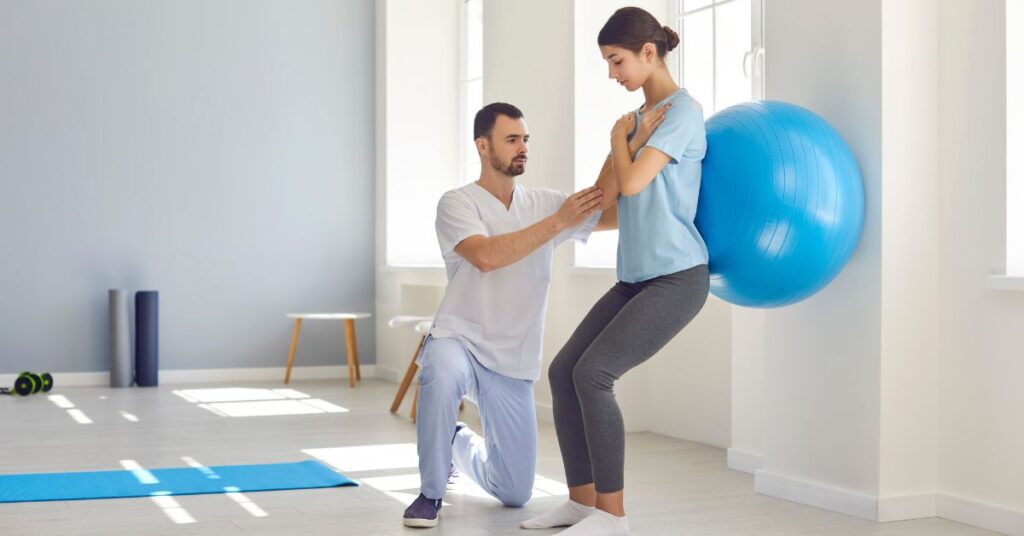
Walking into a clinic for the first time after an injury can feel overwhelming. The timeline is unclear, the pain is fresh, and the distance between right now and getting back to full competition feels bigger than it probably is. That gap is real – but it narrows quickly with the right structure in place. Athletes who choose a quality sports rehabilitation center in Sugar Land find that where they recover matters just as much as how they recover – whether they’re coming off a high school field or a weekend league.
Knowing what actually happens inside a rehab facility – and why each step exists helps athletes make smarter decisions about their care from day one.
Recovery Is Far More Active Than Most People Expect
The old instinct was to rest completely after a sports injury. While controlled rest still has a role in the very early stages of healing, modern rehabilitation science tells a different story. At a properly equipped sports rehabilitation center, the process begins with a thorough movement assessment that goes well beyond basic range-of-motion tests. Clinicians look at how the body loads, stabilizes, and transfers force during patterns that actually reflect how the athlete moves in their sport.
What this reveals is often surprising. A shoulder injury in a baseball pitcher, for example, may be rooted in limited thoracic rotation. A runner’s knee pain frequently traces back to hip weakness rather than anything structurally wrong at the knee itself. Treating just the site of pain almost never produces lasting results – the upstream causes have to be addressed too.
Evidence-based rehabilitation now favors early, controlled mobilization in most cases. Getting tissues moving sooner helps maintain joint integrity, reduce excessive scar tissue formation, and prevent the kind of compensatory movement patterns that lead to secondary injuries down the line. Rest has its place, but movement – done correctly and progressively – is the real driver of recovery.
What Genuine Sports Physical Therapy Involves
There’s a meaningful gap between a general outpatient clinic and a center that specializes in sports physical therapy. General clinics tend to focus on reducing discomfort to a manageable level. A sports-focused facility is aiming for something more demanding: a full return to athletic function at the highest level the patient is capable of reaching.
That process typically involves several interconnected layers. Manual therapy restores tissue mobility and addresses joint restrictions that limit movement quality. Targeted therapeutic exercise progressions rebuild strength and stability using loads and patterns that mirror real sport demands – not just machine-based resistance in a clinical setting. Neuromuscular re-education helps the nervous system relearn efficient, coordinated movement, which is often disrupted after injury even once structural healing is complete.
For athletes dealing with overuse injuries, additional tools like dry needling, blood flow restriction training, and cupping therapy may be incorporated depending on the clinical picture. And throughout all of it, communication drives outcomes. Athletes who understand why they’re performing each exercise – not just how – tend to be more consistent, more engaged, and ultimately more successful in their recovery.
The Role Performance PT Plays in Full Athletic Recovery
A common mistake athletes make is stopping rehabilitation once pain disappears. Pain relief and athletic readiness are not the same thing. The final stage of a well-structured recovery program is where performance PT becomes critical, and it’s often the most underappreciated part of the entire process.
This phase shifts the focus from healing to building. Plyometric progressions, rotational strength training, deceleration mechanics, and reactive drills all play a role in restoring the physical qualities that allow someone to compete without hesitation. Equally important is return-to-sport testing – objective assessments that measure whether the athlete has genuinely regained the strength, speed, and movement quality required to perform safely at full intensity.
Polygon PT, serving athletes in Sugar Land, integrates this performance phase into every recovery plan from the outset. The goal isn’t simply to discharge a patient when symptoms resolve. It’s to return each athlete to competition stronger and more resilient than they were before the injury occurred. Research consistently shows that athletes who complete a full return-to-sport protocol experience significantly lower reinjury rates than those who rely on symptom resolution alone as their benchmark for readiness.
Sports Rehabilitation Services at Polygon PT
Evidence-based care built around how athletes actually move
How to Choose the Right Sports Rehabilitation Center in Sugar Land
Not every clinic that treats athletic injuries operates at the same level. When evaluating options, athletes and parents should look beyond convenience and ask more specific questions. How much direct, one-on-one time will a licensed clinician spend with each patient? Does the therapist have documented experience treating athletes in similar sports or with similar injury profiles? What does the full return-to-sport process look like, and is it structured or informal?
Facilities that run high patient volumes with short appointment windows are a red flag. Real sports injury therapy requires sustained clinical attention – the kind that isn’t possible when a therapist is managing six patients simultaneously in a crowded gym. Quality rehabilitation is inherently time-intensive, and the physical setup of the clinic reflects its priorities.
The breadth of services also matters. Centers that combine manual therapy with progressive strength-based rehabilitation, sport-specific movement retraining, and objective discharge testing tend to produce consistently better outcomes than those relying primarily on passive modalities. Ultrasound machines and hot packs have limited value in athletic recovery compared to purposeful, hands-on clinical work.
Sugar Land has options. Athletes who take the time to ask the right questions before committing to a program put themselves in a much stronger position from day one.
The 4 Phases of Athletic Rehabilitation
From initial assessment to full return to sport
Assessment & Protection
Full movement analysis, diagnosis confirmation, and building a structured plan around the injury and sport demands.
Restore Mobility & Strength
Manual therapy, early progressive loading, and neuromuscular work to rebuild tissue integrity and movement quality.
Performance Training
Sport-specific drills, plyometric progressions, and reactive training to close the gap between clinic and competition.
Return-to-Sport Clearance
Objective functional testing, sport-specific benchmarks, and a confident, documented return-to-full-competition clearance.
Conclusion
Recovery from a sports injury deserves the same seriousness that athletes bring to their training. The right sports rehabilitation center doesn’t just manage symptoms – it rebuilds the body with a clear performance goal in mind. Polygon PT does exactly that. For athletes in Sugar Land ready to take that next step, their team treats recovery as a performance objective, not just a clinical process. That shift in approach is exactly where the real comeback begins.