

Post Surgery Rehabilitation A Week by Week Recovery Guide From PT Experts
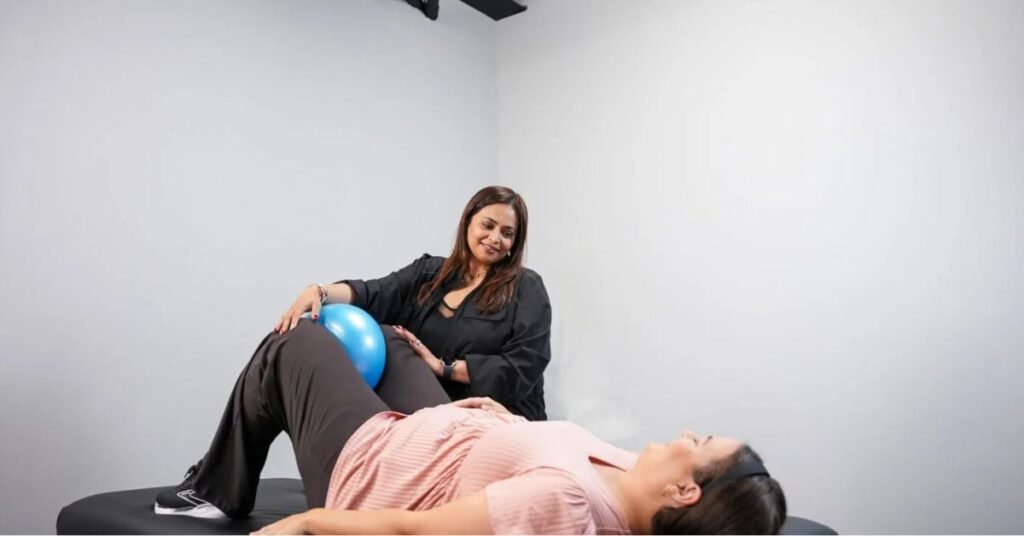
Surgery is the beginning of a process, not the end of one. What happens in the weeks following a procedure determines whether a patient regains full function or settles into a partial recovery that shapes how they move, work, and live for years afterward. Post-surgery rehabilitation is the structured clinical work that bridges the gap between the operating room and a return to normal life. Done correctly, with the right guidance at the right intervals, it transforms what might otherwise become a frustrating plateau into a measurable, progressive return to strength, mobility, and independence.
This guide outlines what patients can expect across the first several weeks of physical therapy after surgery, why each phase matters, and what the clinical team at Polygon PT focuses on at each stage of recovery.
Why the First 72 Hours Set the Tone for the Entire Recovery
Before formal physical therapy after surgery begins, the first three days post-procedure establish a baseline that the entire rehabilitation process builds from. Swelling, pain levels, tissue integrity, and the patient’s ability to follow early mobility protocols all inform what the first PT session will look like and how quickly progression can begin.
For many surgical procedures, the most common mistake in this period is complete rest. Unless the surgical team has specifically prescribed immobilization, early gentle movement, even something as simple as ankle pumps after a lower extremity procedure, reduces swelling, promotes circulation, and decreases the risk of complications like deep vein thrombosis. The goal in these first days is not to accelerate recovery but to prevent regression.
Patients in the Sugar Land and Katy areas who work with Polygon PT typically receive pre-operative education that prepares them for this window. Knowing what to expect, what to avoid, and how to position and move the affected area before the first formal session makes that first session more productive and less anxiety-inducing.
Weeks One and Two – Managing Inflammation and Restoring Basic Movement
The first two weeks of post-surgery rehabilitation focus almost entirely on two things: controlling the inflammatory response and restoring whatever basic range of motion the surgical approach allows. This is not the phase for strength building. Asking injured tissue to handle load before it has healed is one of the most reliable ways to extend the recovery timeline rather than shorten it.
A physical therapist working in this phase uses manual techniques to manage swelling, guide gentle passive and active-assisted range-of-motion exercises, and monitor for signs that the healing process is not progressing as expected. Patient education is equally important here. Understanding weight-bearing restrictions, proper use of assistive devices, wound care awareness, and how to identify concerning symptoms keeps patients safe between sessions.
Pain in this phase is expected but should be manageable. If pain is escalating rather than following a general downward trend, that is clinical information that changes the treatment approach. At Polygon PT, this feedback loop between patient experience and therapist assessment is built into every session rather than reserved for formal check-ins.
Weeks Three Through Six – Building the Foundation for Functional Recovery
Once the acute inflammatory phase has resolved and baseline range of motion has been established, rehabilitation after surgery shifts toward building the muscular and neuromuscular foundation that functional recovery depends on. This is where patients often start to feel impatient, because improvement becomes more visible and the temptation to push harder than the tissue can handle intensifies.
Progressive strengthening begins in this phase with exercises selected to load the healing tissue within its current tolerance rather than at the patient’s motivation level. Closed-chain exercises for lower extremity recoveries, proprioception work to restore joint position sense disrupted by surgery, and targeted strengthening for the muscles that support the surgical site all become part of the program in a sequence that respects the biology of tissue healing.
Gait re-education is a significant focus for patients recovering from lower extremity procedures during this phase. Surgery changes the way people move, and without deliberate correction, compensatory movement patterns develop that cause secondary problems in adjacent joints. Polygon PT’s clinical approach treats the full kinetic chain rather than only the surgical site, which is one of the reasons outcomes in this phase tend to differ from what patients experience at less comprehensive outpatient programs.

Sugar Land • Katy, TX • Post-Surgical Care
Expert Rehabilitation.
Week by Week.
Physical therapy after surgery • Individualized recovery plans
Polygon PT – Guided rehabilitation from day one through full return to activity.
Weeks Six Through Twelve – Returning to Load and Activity-Specific Training
By the six-week mark, most patients have cleared the primary tissue healing threshold for their procedure, and rehabilitation after surgery can shift toward higher-load training and activity-specific preparation. This phase looks different depending on the patient’s surgical history, current capacity, and goals. A 60-year-old recovering from a hip replacement is working toward safe community ambulation and stair navigation. A 35-year-old recovering from an ACL reconstruction is beginning sport-specific movement preparation. Both are in the same clinical phase but following individualized progressions.
Functional movement testing becomes more prominent in this phase. Strength symmetry between the surgical and non-surgical side, single-leg loading capacity, dynamic balance, and movement quality under fatigue all provide measurable benchmarks that guide progression decisions rather than leaving them to the calendar alone.
Post-surgery rehabilitation in this window also involves addressing the psychological dimension of recovery. Fear of re-injury, movement apprehension, and loss of confidence in the affected area are real clinical phenomena that affect outcomes. Polygon PT integrates graded exposure to challenging movements and explicit conversation about what is safe and why, which reduces the kinesiophobia that otherwise causes patients to self-limit well below their actual capacity.
Beyond Twelve Weeks – Maintenance, Return to Sport, and Long-Term Function
The formal discharge point from physical therapy after surgery does not mean the work is complete. For many patients, the period between structured rehabilitation and independent activity is where regression occurs. Returning to old movement habits, stopping the home exercise program, and abandoning the neuromuscular conditioning work that took months to build can undo significant gains within weeks.
Polygon PT prepares patients for this transition with a clear independent maintenance program, specific benchmarks for progressing activity independently, and an open line for return visits when a new challenge or setback arises. Recovery from surgery is not a straight line and the clinical team at Polygon PT understands that long-term outcomes require planning for the full arc of recovery, not just the formal rehabilitation period.
For patients in Sugar Land and Katy navigating post-surgical recovery, having a clinical partner who tracks the full timeline rather than discharging at the first functional milestone makes a measurable difference in where they end up six months and a year out.
Post-Surgery Rehabilitation Services
Sugar Land • Katy, TX • Individualized physical therapy after surgery from evaluation through return to full activity.
Post-Operative Assessment
Comprehensive baseline evaluation of tissue status, pain levels, range of motion, and functional limitations to build an individualized recovery plan.
Swelling and Pain Management
Manual therapy, soft tissue techniques, and therapeutic modalities that manage the acute inflammatory response without delaying tissue healing.
Range of Motion Restoration
Progressive passive and active-assisted mobility work that restores joint range within the parameters of the specific surgical protocol.
Therapeutic Strengthening
Phase-appropriate strengthening that loads healing tissue within its current tolerance, rebuilding the muscular support structure progressively and safely.
Gait and Movement Re-Education
Deliberate correction of compensatory movement patterns that develop after surgery to prevent secondary problems in adjacent joints and structures.
Return-to-Activity Preparation
Activity-specific functional training that prepares patients for the physical demands of their work, sport, or daily life rather than stopping at basic independence.

Polygon PT – Sugar Land and Katy, Texas
Post-surgery rehabilitation • Physical therapy after surgery • Week-by-week recovery plans
Conclusion
Post-surgery rehabilitation is a structured, phase-specific process that requires clinical expertise, patient engagement, and a treatment approach that adapts as the healing tissue changes. The week-by-week framework outlined here reflects the biological and functional reality of what recovery demands at each stage. Polygon PT serves patients in Sugar Land and Katy with exactly that kind of informed, individualized approach, from the first session after discharge through the full return to activity. When the right rehabilitation is applied at the right time, surgery becomes the beginning of something better rather than a ceiling on what the body can do.
Frequently Asked Questions
When should post-surgery rehabilitation begin after a procedure? +
Timing depends on the procedure and surgical team’s protocol. Many patients begin within days of surgery. Early intervention prevents complications, reduces swelling, and establishes the baseline from which the full rehabilitation process builds.
How long does physical therapy after surgery typically last? +
Duration varies by procedure, patient capacity, and goals. Most post-surgical programs run six to twelve weeks. Complex reconstructions or patients returning to high-demand activity often require longer structured programs before independent maintenance begins.
Is pain during post-surgery rehabilitation normal? +
Mild discomfort during therapeutic exercise is expected. Pain that escalates rather than following a general downward trend is clinical information that changes the treatment approach. The therapist adjusts based on patient feedback at every session.
Can rehabilitation after surgery help prevent future re-injury? +
Yes. Restoring strength symmetry, neuromuscular control, and movement quality through structured rehabilitation significantly reduces re-injury risk. Patients who complete the full program consistently demonstrate better long-term outcomes than those who stop early.
Does Polygon PT serve patients in both Sugar Land and Katy? +
Yes. Polygon PT has locations serving both Sugar Land and Katy, Texas. Patients recovering from surgery in either area can access the full post-surgery rehabilitation program without a lengthy commute for ongoing physical therapy sessions.