

Muscle Spasms vs. Muscle Twitching: How to Stop Both Fast and When to See a Physical Therapist
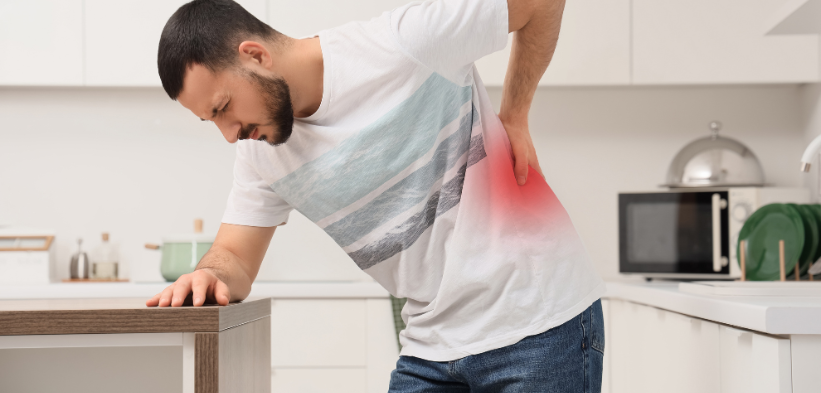
It starts without warning. A sharp cramp seizes your calf in the middle of the night, or a relentless flutter pulses under your skin for what feels like hours. Whether you are dealing with a muscle spasm or muscle twitching, the experience is frustrating, and your first instinct is to make it stop as fast as possible.
But here is the thing: muscle spasms and muscle twitching are not the same condition, and treating them effectively means understanding the difference. At Polygon Physical Therapy, our licensed physical therapists help patients across Houston, in Sugar Land, Pearland, Katy, North Loop, West Houston, Richmond, and Galleria, recover from both every single day. In this guide, we will walk you through what causes each condition, how to get rid of muscle spasms and stop muscle twitching fast, and when it is time to seek professional muscle spasm treatment.
Muscle Spasm vs. Muscle Twitching: What Is the Difference?
A muscle spasm is a sudden, involuntary contraction of an entire muscle. The muscle tightens, locks up, and refuses to relax, which is what causes that deep, intense pain most people associate with a cramp. Spasms are common in the calves, hamstrings, back, and feet, and they can last anywhere from a few seconds to several uncomfortable minutes.
Muscle twitching, medically called a fasciculation, is something different. Instead of the whole muscle contracting, only a tiny group of muscle fibers fires on its own. The result is a visible flicker or ripple just under the skin that you can usually see but rarely feel as pain. A twitching eyelid, a pulsing thumb, a flickering calf, these are classic examples.
The simplest way to tell them apart: spasms are deep, painful, and felt throughout the muscle. Twitches are superficial, usually painless, and visible on the skin surface. Both can be disruptive, but they often call for different immediate responses.
What Causes Muscle Spasms?
Muscle spasms happen when something disrupts the normal cycle of muscle contraction and relaxation. The most common culprits are dehydration and electrolyte imbalances, when your body runs low on sodium, potassium, magnesium, or calcium, the electrical signals controlling your muscles misfire. This is why nighttime calf cramps are so common in people who do not drink enough water through the day.
Overuse and muscle fatigue are equally common triggers. Pushing a muscle hard during exercise or physical labor without adequate rest leaves it vulnerable to involuntary contractions. Poor posture and improper body mechanics, especially from long hours sitting at a desk, create chronic muscle tension that can suddenly tip into a spasm. Nerve compression from spinal issues in the neck or lower back is another significant cause, as a pinched nerve sends abnormal signals that force surrounding muscles to contract.
What Causes Muscle Twitching?
Muscle twitching most often comes down to an overexcited nervous system. Stress and anxiety are among the top triggers, elevated cortisol keeps your nervous system in a heightened state, causing random muscle fibers to fire on their own. Too much caffeine from coffee, energy drinks, or pre-workout supplements has a similar effect by overstimulating your motor neurons.
Poor sleep amplifies all of this. A fatigued nervous system is far more prone to producing twitches. Nutritional deficiencies, particularly low magnesium, vitamin D, or vitamin B12, are another overlooked cause that can lead to persistent, weeks-long twitching. Nerve irritation from repetitive strain or spinal compression can also cause the muscles fed by that nerve to flicker unpredictably.
How to Stop Muscle Spasms Fast
When a spasm strikes, stretching is your fastest tool. Gently lengthen the affected muscle and hold the stretch for 30 to 60 seconds without bouncing, bouncing worsens the contraction. For a calf spasm, press your heel flat and flex your foot upward while leaning forward. For back spasms, lie down and slowly pull both knees to your chest.
Follow up with heat. A warm compress or heating pad applied for 15 to 20 minutes increases blood flow, helps the muscle fiber relax, and eases the lingering soreness. If the spasm followed an acute injury and there is noticeable swelling, use an ice pack instead to reduce inflammation.
Hydration matters both in the moment and as prevention. Drink water immediately and replenish electrolytes with a banana, coconut water, or an electrolyte drink. Firm massage to the affected area after the spasm starts to ease can also help break remaining tension and restore circulation. For people who experience frequent spasms, a daily magnesium supplement, taken under medical guidance, often dramatically reduces how often they occur.
How to Stop Muscle Twitching Immediately
Because twitching is usually driven by an overactive nervous system, the fastest way to calm it down is through slow, controlled breathing. Inhale for four counts, hold for four, exhale for six. This activates your parasympathetic nervous system, your body’s natural off switch, and can noticeably reduce twitching within minutes.
Gently moving and stretching the twitching muscle can also interrupt the abnormal firing pattern. Reduce caffeine intake immediately if you have had more than your usual amount. For persistent twitching that lasts days, look at your sleep quality and consider getting your magnesium, vitamin D, and B12 levels checked, deficiencies in all three are strongly linked to chronic muscle twitching and often go undiagnosed for months.
When to See a Physical Therapist for Muscle Spasm Treatment
Most muscle spasms and twitches resolve with the strategies above. But some patterns signal that something deeper needs professional attention. You should see a physical therapist if your muscle spasms recur in the same area multiple times a week, if they are accompanied by back pain, neck pain, numbness, or tingling, or if over-the-counter solutions have stopped working. Recurring spasms are often your body’s way of telling you there is an underlying structural issue, a nerve being compressed, a muscle imbalance, or a postural problem, that home remedies simply cannot fix on their own.
For muscle twitching, seek professional evaluation if it has persisted beyond two to three weeks, if it is happening in multiple areas of the body at once, or if it is accompanied by muscle weakness or any neurological symptoms. These are signs that a nerve root or another underlying cause needs to be properly assessed.
At Polygon Physical Therapy, our therapists use hands-on manual therapy, dry needling to release deep trigger points, corrective exercise programs, and neuromuscular re-education to address the root cause of your spasms, not just the symptoms. We also assess your posture and movement patterns to identify the daily habits that keep triggering the problem in the first place.
Get Expert Muscle Spasm Treatment at a Polygon PT Clinic Near You
Polygon Physical Therapy has seven convenient locations across Greater Houston, so expert care is never far away. Whether your spasms are in your back, calves, neck, or anywhere else, our licensed physical therapists are ready to build you a personalized treatment plan that delivers lasting relief.