

How Hip Physical Therapy Can Help You Avoid Hip Replacement Surgery
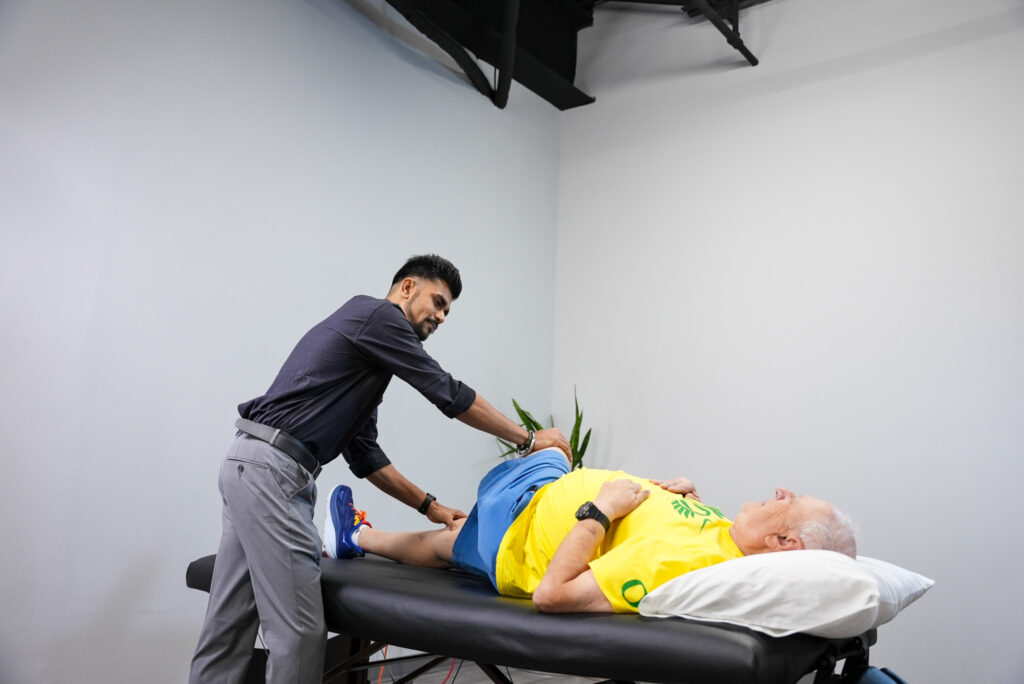
The hip is one of the most load-bearing joints in the body, and when pain starts limiting how you move through daily life, the conversation about surgery can arrive sooner than expected. But for many patients, hip physical therapy is a proven, structured path that can restore strength, reduce pain, and in many cases eliminate the need for surgery entirely. Understanding what conservative rehabilitation can realistically achieve is one of the most important steps a patient can take before committing to a major procedure.
Why the Hip Joint Breaks Down Over Time
The hip is designed to handle decades of repetitive movement, but what gradually undermines it is not age alone. It is the pattern of stress the joint absorbs when the surrounding muscles weaken or tighten unevenly. When this happens, the joint absorbs load it was not built to manage. Cartilage wears unevenly as a result, inflammation sets in, and pain follows.
This is the mechanical pattern behind most hip osteoarthritis, bursitis, and hip impingement diagnoses. Because it is fundamentally a mechanics problem, it is one that targeted rehabilitation is specifically designed to address. Restoring strength and correcting movement patterns around the hip does not simply manage symptoms. It changes the conditions that caused the problem to develop in the first place.
For a significant number of patients, the difference between needing surgery and avoiding it comes down to how early and how consistently they engaged with rehabilitation.
5 Ways Hip Physical Therapy Helps You Avoid Surgery
1
Rebuilding the Muscles That Protect the Joint
The gluteal muscles, deep hip rotators, and hip flexors act as the primary shock absorbers for the hip joint. When these muscles are weak, every step transfers more force directly into the cartilage and joint surfaces. A structured rehabilitation program progressively rebuilds this muscular support, reducing the load the joint has to bear and creating the conditions for long-term, lasting relief.
2
Restoring Range of Motion Before It Is Lost Permanently
Stiffness in the hip is one of the earliest warning signs of joint stress, and it tends to worsen the longer it goes unaddressed. Manual therapy combined with targeted stretching restores mobility in the hip capsule and surrounding soft tissue. Patients who recover full range of motion early in treatment consistently see better functional outcomes than those who wait until stiffness has significantly progressed.
3
Correcting the Movement Patterns That Stress the Joint
The way a person walks, squats, rises from a chair, or climbs stairs directly affects how much strain the hip absorbs. Poor mechanics, often developed gradually as compensations for pain or weakness, accelerate joint wear over time. A skilled physical therapist identifies these patterns through a detailed movement assessment and retrains them systematically, so the joint is no longer loaded in ways that generate ongoing damage.
4
Reducing Inflammation Through Hands-On Manual Therapy
Soft tissue mobilization and joint mobilization techniques directly address the local inflammation that drives much of hip pain. For conditions like hip bursitis and hip flexor tendinopathy, reducing tissue irritability through hands-on treatment is often what allows strengthening work to be tolerated and progressed. Patients frequently notice a meaningful reduction in resting pain within the first few weeks of consistent treatment.
5
Treating the Full Lower Body, Not Just the Hip
Hip problems rarely exist in isolation. Restrictions in the lumbar spine, pelvis, and knee frequently contribute to how much stress the hip joint absorbs. A comprehensive evaluation considers how all of these areas interact, addressing the full movement chain rather than treating the hip alone. Patients often find that lower back tension and knee discomfort ease alongside their hip symptoms, because the root causes are being resolved rather than just the endpoint where pain appears.
Which Hip Conditions Respond Best to Conservative Care
Hip osteoarthritis is the most common reason patients are referred for hip replacement, and it is also the diagnosis that responds most consistently to rehabilitation when treatment begins before severe structural damage has occurred. Research comparing physical therapy to surgery for mild to moderate osteoarthritis shows comparable functional outcomes, with therapy carrying none of the surgical risks or extended recovery demands.
Hip bursitis, femoroacetabular impingement, labral irritation, hip flexor tendinopathy, and hip pain physical therapy for referred discomfort from the lower back are all conditions where conservative care is the standard first line of treatment. Even patients who had already been scheduled for replacement surgery have, after completing a structured rehabilitation program, reported enough improvement to postpone or cancel the procedure entirely. Patients dealing with both hip and lower back discomfort will find it useful to read about hip physical therapy for long-term mobility, since treating both areas together is what tends to produce the most complete and lasting recovery.
When to Start and Why Earlier Always Produces Better Results
The timing of when someone begins rehabilitation has a direct effect on their outcome. Patients who seek care at the first signs of hip trouble, including morning stiffness, aching after prolonged sitting, reduced rotation, and discomfort on stairs, have considerably more to work with than those who wait until pain has become severe. By the time hip pain is debilitating, compensatory movement patterns have typically been embedded for months, and the surrounding muscles have weakened significantly. Reaching the same outcome from that point requires more time and more effort.
The decision to explore conservative care first is also increasingly supported at the insurance level, with most providers requiring documented attempts at non-surgical treatment before approving procedures for hip conditions. What the clinical evidence adds to that is a straightforward case. Structured rehabilitation works for a large proportion of patients, and the earlier it begins, the stronger the outcomes tend to be.
Conclusion
Hip replacement surgery has its place, but for a significant number of patients it is a step that can be delayed or avoided entirely. The body has a remarkable capacity to recover when the right structure and guidance are in place. Acting on the first signs of hip trouble is the decision that consistently produces the best long-term results. If you are ready to explore what conservative rehabilitation can do for you, the physical therapy services at Polygon PT are designed to get you moving better, feeling stronger, and staying out of the operating room.
Frequently Asked Questions
How long does hip physical therapy take to show results? +
Most patients notice meaningful improvement within four to six weeks. A full rehabilitation course typically runs eight to twelve weeks depending on severity and consistency of attendance.
Can physical therapy help if I already have significant cartilage loss? +
Yes. While therapy cannot regenerate cartilage, it reduces pain and improves function by strengthening the muscles around the joint and redistributing how load is absorbed during movement.
Is it safe to do physical therapy if my hip pain is severe? +
Absolutely. Your therapist will adjust the intensity to match your current pain levels, starting with gentle mobility work and progressing at a pace that is appropriate for where you are.
What is the difference between hip physical therapy and general exercise? +
Hip physical therapy begins with a detailed movement assessment specific to your mechanics, whereas general exercise does not account for your individual deficits, compensations, or pain patterns.
Will I need surgery eventually even if physical therapy works? +
Not necessarily. Many patients maintain long-term results through rehabilitation, and even those with progressive joint disease can often push that decision years into the future with consistent care.
How do I know if my hip pain is serious enough to see a physical therapist? +
If stiffness, aching, or reduced mobility is affecting your daily movement in any way, it is worth an evaluation. Early assessment consistently leads to better outcomes than waiting for pain to worsen.