

Cycling Without Pain: How PT Can Help with Knee and Foot Issues
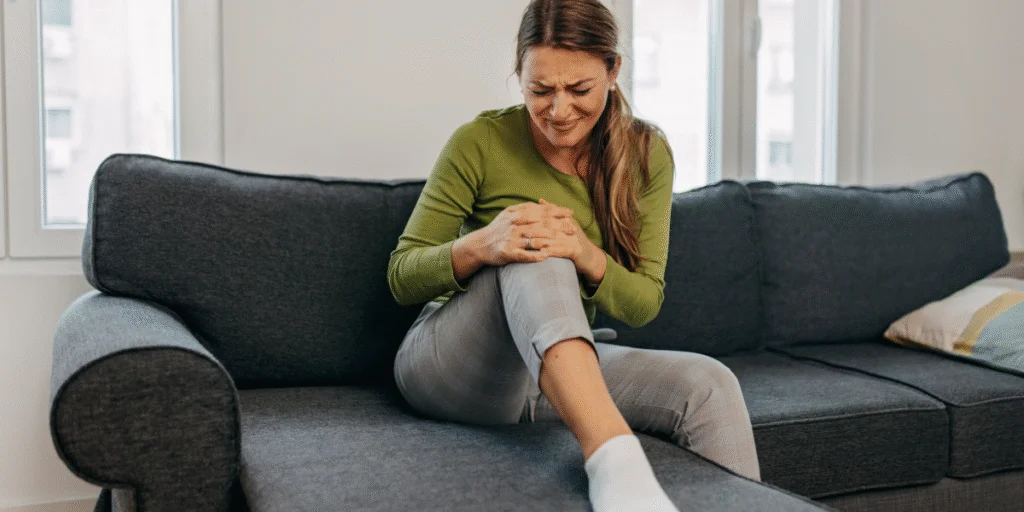
Cycling Without Pain: How PT Can Help with Knee and Foot Issues
Cycling is a fantastic sport for fitness, endurance, and adventure. But many cyclists, from weekend riders to competitive athletes, struggle with nagging knee and foot pain. These discomforts not only affect performance but can also keep you off the bike. The good news? Physical therapy for athletes offers solutions that address both pain and performance, helping you ride stronger and pain-free.
Understanding Cycling-Related Pain
Cycling is repetitive. The constant pedaling can cause muscle imbalances, joint strain, and overuse injuries. Poor posture, improper bike fitting, or lack of conditioning can worsen these issues. Knee and foot pain are the most common complaints, often leading to reduced mileage and frustration.
Why Physical Therapy for Athletes Matters
Unlike general fitness routines, physical therapy for athletes focuses on performance, mobility, and injury prevention. A therapist doesn’t just treat pain; they identify the root cause. Whether it’s weak muscles, tight tendons, or poor form, PT provides tailored solutions that help cyclists maintain long-term health.
Knee Pain in Cyclists
Knee pain is a red flag for many riders. The most frequent culprits include:
- Patellofemoral pain syndrome (front knee pain)
- IT band syndrome (outer knee pain)
- Tendonitis from overuse
If ignored, these issues can progress and make cycling unbearable.
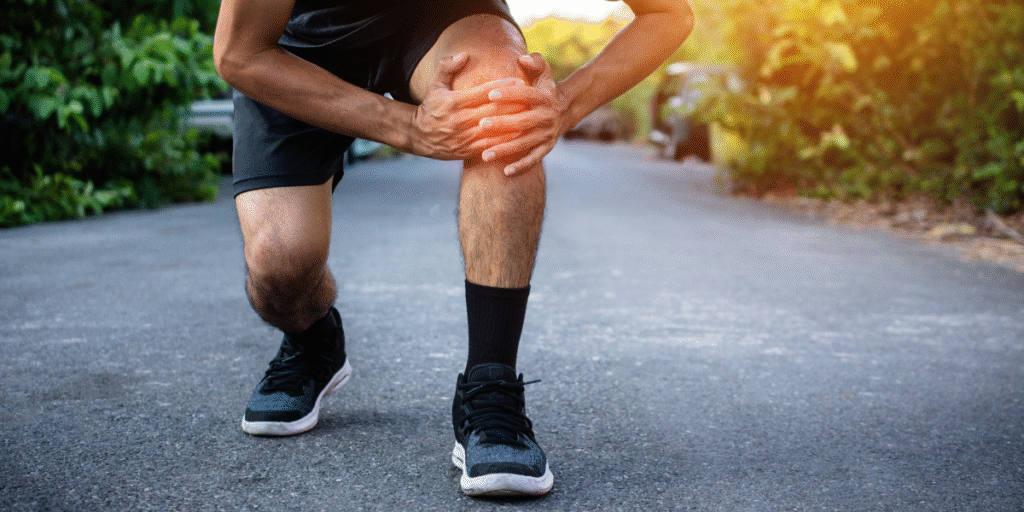
IT Band Rehab for Cyclists
The iliotibial (IT) band is a thick band of tissue running along the outer thigh. When tight or inflamed, it causes sharp knee pain. IT band rehab in PT focuses on stretching, strengthening, and correcting biomechanics. Foam rolling, targeted hip exercises, and soft tissue release are common techniques that restore mobility and reduce strain.
Foot Pain in Cycling
Foot pain may show up as burning, numbness, or aching. Common causes include:
- Poor shoe fit
- Weak foot and ankle muscles
- Excessive pressure on the pedal
These issues can throw off pedaling mechanics, causing ripple effects up the leg.
How Physical Therapy Targets Foot Issues
A physical therapist addresses foot pain by evaluating mechanics, mobility, and strength. Manual therapy relieves stiffness, while corrective drills enhance arch and ankle stability. Custom orthotics or cleat adjustments may also be recommended for long-term relief.
Strengthening Exercises for Cyclists
Strengthening isn’t just for gym-goers; it’s essential for riders. Strengthening exercises for cyclists balance the body, improve pedaling efficiency, and reduce strain. PTs often prescribe glute bridges, step-ups, and core work to support power transfer and endurance.
Leg Strength Exercises for Cyclists/h3>
Cycling itself builds endurance, but strong legs protect joints. Leg strength exercises for cyclists, like squats, lunges, and resistance band drills, improve power and prevent overuse injuries. PT ensures these moves are performed safely and progressively for maximum benefit.
Flexibility and Mobility Training
Tight hips and hamstrings are common among cyclists. Flexibility training keeps the body supple and prevents imbalances. Stretching routines for calves, hamstrings, and hip flexors, combined with foam rolling, help maintain a fluid pedal stroke.
Improving Cycling Form with PT
Form is everything in cycling. A physical therapist can analyze your posture on and off the bike. Adjustments in core engagement, shoulder alignment, and pedaling rhythm make a big difference. A professional bike fit ensures your saddle, handlebars, and pedals support healthy biomechanics.
Preventing Overuse Injuries
Cyclists often push mileage without realizing the toll on their bodies. PT emphasizes training smart: incorporating rest days, listening to warning signs, and gradually increasing intensity. Prevention is always easier than recovery.
Benefits of Physical Therapy Beyond Pain Relief
Physical therapy isn’t only about fixing injuries. It enhances endurance, accelerates recovery after long rides, and boosts performance. Athletes often notice improved efficiency and less fatigue, allowing them to enjoy cycling more fully.
When to See a Physical Therapist
You don’t need to wait until pain becomes unbearable. Warning signs like persistent soreness, recurring foot numbness, or swelling after rides mean it’s time for professional help. Early intervention prevents long-term setbacks.
Conclusion
Cycling should be a joyful, pain-free experience. With the right support, you can overcome knee and foot pain while improving performance. Physical therapy for athletes provides tailored solutions like IT band rehab, strengthening exercises for cyclists, and leg strength exercises for cyclists to keep you riding stronger, longer, and without pain. Don’t wait for discomfort to sideline you. Invest in your body and your cycling journey today.
FAQs
1. Can PT help with chronic cycling pain?
Yes, PT addresses both the pain and the root causes, offering long-term relief.
2. How long does IT band rehab take?
It varies, but many cyclists notice improvements within 4–6 weeks of consistent rehab.
3. Are strength exercises safe for beginners?
Absolutely. PTs adapt exercises to your fitness level, ensuring safety and effectiveness.
4. Do I need PT if I cycle recreationally?
Yes, pain and injuries can affect any rider, regardless of skill or intensity.
5. How often should cyclists stretch?
Daily stretching, especially after rides, helps prevent tightness and imbalances.