

Back Pain After Sitting All Day? Here’s What’s Really Happening
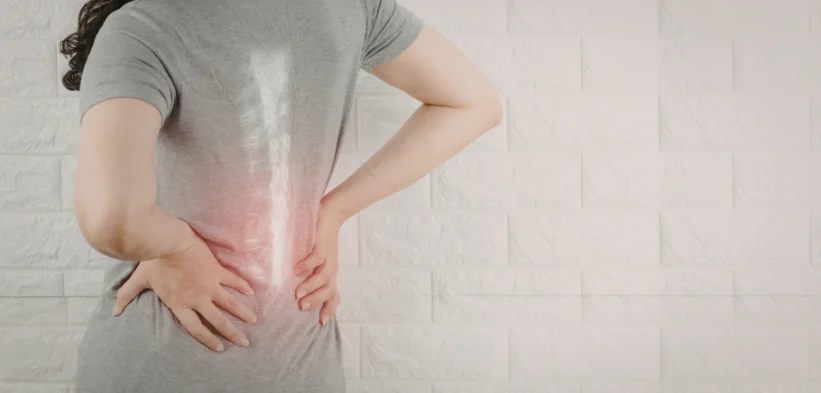
Sitting appears to be a harmless activity in today’s world, especially if you have a desk job or spend a lot of time commuting or staring at a screen, but for many people, it has become one of the leading causes of back pain. Whether you are experiencing a sharp pain or chronic stiffness, learning what is happening in your body when you sit can help you find lasting relief and prevent problems from arising in the future. In many cases, seeking physical therapy for back pain can address the root cause of your discomfort, restore proper movement, and help you return to daily activities without ongoing stiffness or pain.
Why Does Sitting Cause Back Pain?
When you sit for long periods of time, especially if you are slouching or sitting without taking breaks, several things can go wrong in your body:
1. Pressure on Your Spinal Discs
Your spine has discs that are filled with fluid and sit between your vertebrae. They are essentially shock absorbers.
2. Muscle Imbalances and Weakness
When you sit for long periods of time, you are essentially shutting down certain muscles in your body, particularly in your core and buttocks, while others become tight, such as your hip flexors. This creates imbalances in your body that cause your pelvis and spine to shift, making your lower back work overtime even when you are sitting still.
3. Poor Ergonomics Exacerbates Pressure
A chair that doesn’t support your lower back, a desk that’s too high or too low, or screens that are placed incorrectly can all put you into positions that put pressure on your spine.
4. Reduced Circulation and Tissue Nutrition
When you sit for too long, your circulation to your back muscles and ligaments decreases, which means that the oxygen and nutrients that are necessary for healthy tissue are not being delivered.
5. Hidden Medical Causes
Sometimes, there are underlying medical issues such as sciatica, a herniated disc, or degenerative disc disease that make sitting even more uncomfortable, and sitting can exacerbate the pain of these conditions.
What You Might Feel: Symptoms Explained
Sitting-induced back pain is not always a straightforward, achy sensation. You may notice:
- A stiff or tight lower back after sitting for an extended period
- Pain that worsens as the duration of sitting in one position increases
- Pain that goes away when standing up or changing positions
- Radiating pain down the hips or legs (suggestive of nerve irritation)
- Trouble standing up straight after sitting for an extended period
If you are noticing ongoing symptoms of weakness, numbness, or leg pain, it is crucial that you seek the opinion of a medical professional. They can help you identify if underlying conditions, such as sciatica or disc damage, are contributing to your pain.
How Physical Therapy Helps (and Why It Works)
Physical therapists can help you:
At Polygon PT, our aim is more than just pain management. We aim to identify and address the underlying cause of your pain.
- Physical therapists can help you with:
- Assessing your posture and sitting position
- Strengthening weak muscles (core, glutes, and stabilizers)
- Improving flexibility and mobility
- Realignment of movement patterns
- Customized ergonomic recommendations
Physical therapy is often a mainstay of treatment for back pain associated with sitting because it can help restore balance and function rather than just treating symptoms. A specific plan of care can help ensure that the back pain does not return as your lifestyle and work requirements continue.
Practical Steps to Alleviate Back Pain Today
Change Positions Often
Even slight movement every 30 minutes can relieve pressure on the discs, ensure that the circulation of blood remains uninterrupted, and prevent the muscles from becoming rigid.
Optimize Your Work Setup
- Use a chair that supports the natural curve of your lower back.
- Adjust your seat height so your feet are flat on the floor, and your knees are at about 90 degrees.
- Position your screen at eye level to avoid slouching forward.
- Engage Your Core
- The muscles in your abdominal and back regions are your core stabilizers. Building strength in these muscles will enable your spine to support your weight more easily.
Take Movement Breaks
Even standing up and stretching your legs can work wonders in preventing stiffness and pain.
When to Seek Professional Care
While minor back pain may resolve with changes in habits and posture, see a physical therapist or physician if you experience:
- Pain lasting longer than a few weeks
- Numbness, tingling, or leg pain
- Pain that worsens at night
- Weakness or altered balance
Persistent symptoms may be a sign of an underlying problem that can be better assessed and treated by a professional.”
If you are experiencing back pain from sitting all day and would like a customized plan for long-term relief, Polygon PT is here to assist with its professional physical therapy services.
Frequently Asked Questions (FAQs)
1. Why does my back hurt more from sitting all day?
Prolonged sitting puts added pressure on spinal discs and weakens supporting muscles, which can lead to pain and stiffness. Additionally, sitting can promote poor posture and a lack of movement.
2. Can poor posture cause back pain?
Yes. Slouching or leaning forward while sitting can put added strain on spinal ligaments and muscles, leading to pain and discomfort.
3. How can physical therapy relieve back pain from sitting?
Physical therapy can help strengthen weak muscles, improve posture, and educate patients on movement patterns and ergonomic techniques that reduce spinal strain.
4. What is the best posture to sit in to prevent pain?
To sit comfortably and prevent pain, keep your hips slightly elevated above your knees, with your feet flat on the floor and your spine in a neutral position. In addition, keep your shoulders relaxed and use a supportive chair with lower back support. Position your computer monitor at eye level.
5. Should I stand up more often?
Yes. Taking frequent breaks to stand or move around every 30-45 minutes can help alleviate pressure on the spine and keep the blood flowing.
6. Are exercises important for back pain relief?
Yes. Strengthening exercises and gentle mobility exercises can help stabilize the spine and alleviate recurring back pain.
7. Is sitting always bad for your back?
Not necessarily. It’s not always static, immobile sitting that’s the problem. Dynamic movement and frequent position changes are essential.
8. When should I see a doctor for back pain?
If you experience severe back pain, numbness, or pain that limits your ability to perform daily tasks, seek medical attention.
9. Can posture change how my back feels?
Yes. Maintaining proper posture can help alleviate unnecessary strain on the discs and muscles in your spine, which can help alleviate back pain.