

7 Proven Wrist Physical Therapy Exercises for Fast and Lasting Pain Relief
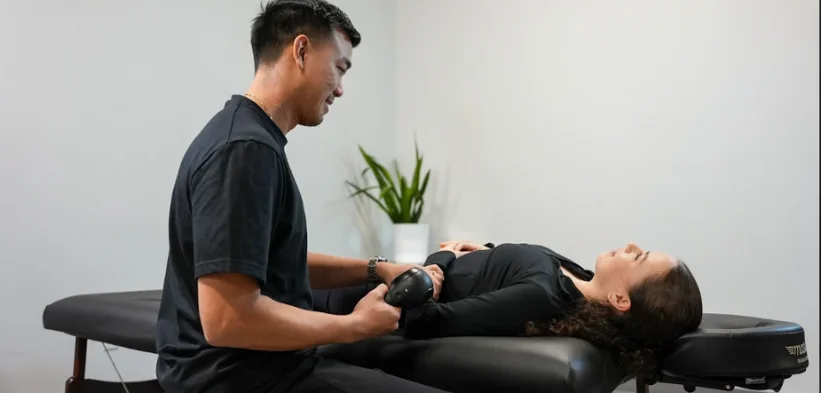
Wrist pain has a way of sneaking into every corner of your daily life. Pouring your morning coffee. Typing a report. Reaching for your phone. Gripping the steering wheel. When your wrist hurts, almost nothing feels simple. The good news is that most wrist pain , whether it comes from repetitive strain, a past injury, carpal tunnel syndrome, or post-surgical recovery , responds remarkably well to targeted movement and professional care. Wrist pain relief physical therapy is one of the most effective, non-invasive paths back to full function, and it all starts with understanding the right exercises for your specific situation. In this guide, we walk you through seven clinician-approved exercises that form the foundation of any strong wrist recovery program.
Why Exercise Is Central to Wrist Recovery
The wrist is a complex joint made up of eight small carpal bones, multiple tendons, ligaments, and nerves , all working together in precise coordination. When something disrupts that coordination through injury, overuse, or surgery, the entire system can become weak, inflamed, and restricted. Wrist physical therapy uses targeted exercises to restore strength, improve range of motion, reduce inflammation, and retrain the neuromuscular connections that allow your wrist to move correctly. Skipping this step and relying on rest alone often leads to stiffness, compensatory movement patterns, and a much longer recovery. Movement, done correctly and progressively, is medicine.
Exercise 1: Wrist Flexion and Extension Stretch
This is the foundational stretch for any wrist recovery program and one of the first movements introduced in wrist pain relief physical therapy sessions.
- Extend your arm in front of you with your palm facing down.
- Use your opposite hand to gently bend the wrist downward until you feel a stretch along the top of your forearm. Hold for 20–30 seconds.
- Flip your palm upward and bend the wrist back in the other direction. Hold for 20–30 seconds.
Perform 3 repetitions on each side. This simple movement dramatically improves flexibility and relieves the tension that builds up from prolonged typing or gripping activities.
Exercise 2: Wrist Circles
Wrist circles are a gentle mobility drill that lubricates the joint and improves overall range of motion. Extend your arm forward, make a loose fist, and slowly rotate your wrist in a full circle , five rotations clockwise, then five counterclockwise. The key is to move through the full available range without forcing the motion. This exercise is particularly useful as a warm-up before any strengthening work and is commonly prescribed in wrist physical therapy programs as an early-stage mobility drill.
Exercise 3: Forearm Pronation and Supination
Many people overlook the forearm when addressing wrist pain, but the two are directly connected. Pronation (rotating palm down) and supination (rotating palm up) exercises strengthen the muscles that stabilize your wrist during functional movements. Hold a lightweight object , a hammer or a filled water bottle works well , with your elbow bent at 90 degrees. Slowly rotate your forearm so the palm faces down, then back to palm up. Complete 3 sets of 15 repetitions. This exercise is especially helpful for those recovering from lateral epicondylitis or forearm strain.

Exercise 4: Grip Strengthening with a Soft Ball
Grip strength is one of the most important functional outcomes of any wrist pain relief physical therapy program. Weak grip contributes to compensatory strain on the wrist joint and surrounding structures. Using a soft foam ball or a stress ball, squeeze firmly and hold for 3–5 seconds before releasing. Aim for 3 sets of 10–15 repetitions. As your strength improves, progress to a firmer resistance tool. This is a deceptively powerful exercise that translates directly to real-life tasks like opening jars, carrying bags, and maintaining a steady grip during physical activity.
Exercise 5: Radial and Ulnar Deviation
Radial deviation (moving the wrist toward the thumb side) and ulnar deviation (moving toward the pinky side) are often neglected in standard stretching routines , but they are critical for full wrist function. Rest your forearm on a flat surface with your palm facing down. Using a light weight or just your own hand, slowly tilt the wrist up toward the thumb side and then down toward the pinky side in a controlled rocking motion. Perform 3 sets of 10–12 repetitions. This movement restores lateral stability and is a staple exercise prescribed within physical therapy services for conditions like De Quervain’s tenosynovitis and wrist sprains.
Exercise 6: Finger Tendon Glides
Wrist pain is frequently accompanied by stiffness and reduced mobility in the fingers, particularly in carpal tunnel syndrome and post-surgical cases. Tendon glide exercises keep the flexor tendons of the fingers moving freely through the carpal tunnel, reducing compression and improving circulation. Start with your fingers straight, then progress through a series of positions: hook fist (curling the tips), full fist, straight fist, and tabletop position. Hold each position for 5 seconds and complete 2–3 sets of 10 repetitions. These are among the most evidence-supported exercises in physical therapy services for carpal tunnel and post-operative recovery.
Exercise 7: Eccentric Wrist Curls
Eccentric exercises , where the muscle lengthens under load , are among the most powerful tools for building tendon resilience and reducing chronic pain. For eccentric wrist curls, sit with your forearm resting on your thigh, palm facing up, holding a light dumbbell. Use your non-injured hand to lift the weight into a curled position, then slowly lower it over 3–5 seconds using only your injured wrist. Perform 3 sets of 15 repetitions. This controlled, slow-loading approach is a hallmark of advanced wrist pain relief physical therapy and has been shown to accelerate tendon healing in clinical research.
When to See a Professional in the Galleria Area
While these exercises are safe and effective for many people, they work best when guided and progressed by a licensed clinician who can evaluate your specific condition. If your wrist pain is sharp, persistent, worsening with movement, or accompanied by numbness or tingling, it is important to seek a professional assessment before beginning any exercise program. A thorough evaluation will identify the root cause of your pain and ensure you are doing the right exercises in the right order , which makes all the difference between a smooth recovery and one that stalls or regresses. Residents in the Galleria area have access to board-certified clinicians at Polygon PT, located at 2400 Augusta Dr, Suite 212, Houston, TX 77057, who specialize in one-on-one, full-body treatment approaches for wrist and upper extremity conditions.
Tips for Getting the Most Out of Your Recovery
- Be consistent. Daily movement, even for just 10–15 minutes, builds progress faster than infrequent longer sessions.
- Never push through sharp pain. Mild discomfort during stretching is normal. Sharp or shooting pain is a signal to stop and consult your therapist.
- Progress gradually. Increase resistance and repetitions over time, not all at once. Tendons heal slowly and respond best to gradual loading.
- Address posture and ergonomics. Many wrist problems are driven by poor desk setup, keyboard position, or repetitive movement patterns that continue outside of therapy.
Your Wrist Deserves Expert Attention
Wrist pain is not something you should simply wait out or push through. With the right wrist physical therapy approach , combining targeted exercises, hands-on treatment, and a personalized progression plan , most people see significant improvement within just a few weeks. The seven exercises above are a powerful starting point. But if you are in the Galleria area and want a truly tailored recovery plan built around your body’s specific needs, professional guidance will always get you there faster, safer, and with longer-lasting results. Your wrist plays a role in nearly everything you do. It deserves more than guesswork.
Frequently Asked Questions
Which wrist exercises are safest for beginners with wrist pain?
Gentle range-of-motion and stretching exercises are safest initially. Polygon PT recommends progressing gradually under professional guidance for lasting wrist recovery.
Can wrist physical therapy exercises prevent future injuries?
Regular strengthening and mobility exercises improve joint stability, reduce strain, enhance flexibility, and help lower the risk of recurring wrist injuries.
How many weeks are needed to improve wrist pain?
Most people experience noticeable improvement within several weeks through consistent exercises, proper technique, healthy habits, and individualized rehabilitation from Polygon PT.
Should I exercise if my wrist hurts during movement?
Stop exercises causing sharp pain immediately. Mild discomfort is acceptable, but worsening symptoms require evaluation from experienced Polygon PT physical therapists.
When should I see a physical therapist for wrist pain?
Seek professional care when pain persists, limits daily activities, causes numbness, or follows injury. Early treatment supports faster, safer recovery outcomes.