

7 Elbow Conditions That Respond Best to Physical Therapy Treatment
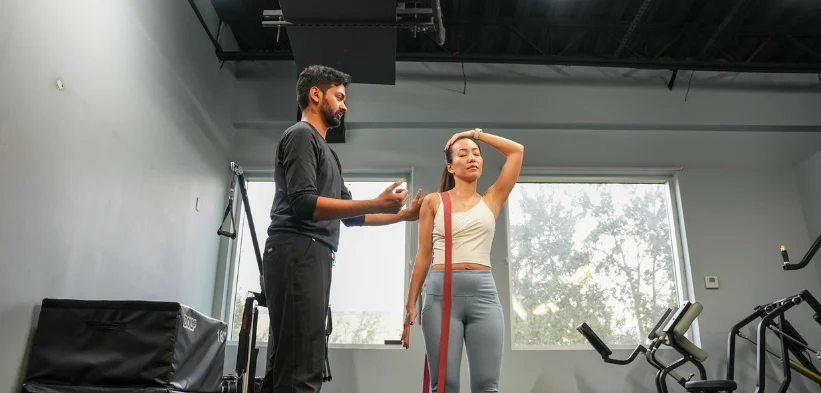
“Elbow pain has a way of sneaking into every corner of your daily life — pouring coffee, gripping the steering wheel, lifting groceries. The good news is that most elbow conditions respond exceptionally well to the right physical therapy approach.”
The elbow is one of the most mechanically complex joints in the body. It combines a hinge motion with forearm rotation, relies on a precise balance of muscles, tendons, and ligaments, and absorbs repetitive load across nearly every daily task. When something goes wrong here, function declines fast. Elbow physical therapy addresses the root cause of pain and dysfunction — not just the symptom — giving patients a faster, more complete recovery than rest and over-the-counter remedies can provide. Here are the seven elbow conditions that respond best to structured physical therapy treatment.
90%
Improve Without Surgery
6wks
Avg. Time to Relief with PT
7
Houston Area Locations
01
Most Common
Lateral Epicondylitis — Tennis Elbow
Tennis elbow is the most frequently seen elbow condition in physical therapy clinics, affecting not just athletes but anyone who performs repetitive gripping, lifting, or wrist extension. The pain arises from overloaded tendons at the outer elbow, and without targeted rehabilitation, it becomes chronic. Structured physical therapy uses eccentric loading protocols, manual therapy, and activity modification to restore tendon health and eliminate pain at its source, not just suppress it temporarily.
02
Very Responsive
Medial Epicondylitis — Golfer’s Elbow
Golfer’s elbow affects the inner elbow tendons and is equally prevalent among office workers, construction professionals, and overhead athletes as it is among golfers. The condition responds exceptionally well to elbow pain physical therapy when caught early. A well-structured program addresses wrist flexor and pronator strength, grip mechanics, and the loading patterns that created the injury — making recurrence far less likely than rest alone ever achieves.
03
High Recovery Rate
Cubital Tunnel Syndrome — Ulnar Nerve Compression
When the ulnar nerve becomes compressed at the inner elbow, patients experience numbness and tingling in the ring and little fingers, weakness in grip, and aching along the inner arm. Physical therapy addresses cubital tunnel syndrome through nerve gliding exercises, postural correction, and activity modification that reduces sustained elbow flexion. Most mild to moderate cases resolve fully without surgical intervention when therapy is initiated early.
04
Muscle Strain Focus
Biceps and Triceps Muscle Strains
Muscle strain therapy for elbow-region strains focuses on graduated loading of the affected muscle belly, restoring full range of motion, and correcting the mechanics that led to the strain. Partial biceps or triceps strains — common in weightlifters, throwing athletes, and manual workers — respond very well to progressive loading rehabilitation when managed correctly from the early stages, preventing scar tissue from limiting long-term function.
05
Post-Injury
Elbow Sprains and Ligament Injuries
Collateral ligament sprains of the elbow — particularly the ulnar collateral ligament in throwing athletes — are among the most impactful injuries in sports medicine. While severe tears may require surgical consultation, the majority of partial sprains and grade one to two injuries respond well to structured elbow pain physical therapy. Proprioceptive retraining, dynamic stabilizer strengthening, and gradual return-to-activity protocols are central to restoring full joint stability.
06
Post-Surgical
Post-Operative Elbow Rehabilitation
Whether following Tommy John surgery, elbow fracture fixation, or joint replacement, post-operative rehabilitation is where functional recovery actually happens. Surgery repairs structure. Physical therapy rebuilds strength, restores range of motion, retrains neuromuscular coordination, and prepares the joint for the real-world demands of work or sport. A structured post-surgical program significantly compresses recovery timelines and reduces the risk of complications from scar tissue and muscle atrophy.
07
Chronic Pain
Olecranon Bursitis and Chronic Elbow Inflammation
Bursitis at the tip of the elbow — caused by repetitive pressure, direct trauma, or inflammatory conditions — creates significant pain and functional limitation. Physical therapy addresses the contributing mechanical factors, manages inflammation through therapeutic modalities, and restores pain-free movement without the risks associated with repeated corticosteroid injections. For chronic presentations, a comprehensive physical therapy approach consistently outperforms injection-only management in long-term outcomes.
Why Elbow Conditions Respond So Well to Physical Therapy
The elbow joint has a reliable blood supply, strong muscular support, and a biomechanical structure that responds predictably to targeted loading. This means that when the right therapeutic interventions are applied at the right intensity and progression, tissue recovery is both achievable and measurable within weeks rather than months.
The key is addressing all contributing factors at once. Elbow pain rarely originates purely at the elbow. Shoulder weakness alters force transmission down the arm. Poor grip mechanics overload lateral tendons. Thoracic stiffness limits overhead mechanics and transfers load distally. Comprehensive physical therapy services assess the entire upper extremity chain, not just the point of pain, which is why patients who complete structured rehabilitation programs report more complete and durable recoveries than those who treat the elbow in isolation.
“Most elbow pain is not an elbow problem. It is a chain problem. Physical therapy finds where the chain broke down and fixes all of it — not just where it hurts.”
Polygon PT Clinical Team · Houston, TX
🏥
Full Services
Physical Therapy Services at Polygon PT
Complete upper and lower extremity rehabilitation across 7 Houston area locations.
→
What Your Elbow Physical Therapy Program Includes
Every elbow program at Polygon PT begins with a comprehensive one-on-one evaluation that assesses not just the elbow but the wrist, shoulder, and cervical spine for contributing factors. Your therapist explains exactly what they find, why it matters, and what the treatment plan will involve from the first session through return to full activity.
A Structured Elbow Rehab Program Covers
- Full upper extremity evaluation including shoulder, wrist, and grip mechanics
- Manual therapy to restore joint mobility and reduce soft tissue restriction
- Eccentric and progressive loading programs for tendon rehabilitation
- Nerve mobilization techniques for cubital tunnel and radial tunnel presentations
- Targeted muscle strain therapy for biceps, triceps, and forearm musculature
- Postural and movement retraining to address root biomechanical causes
- Sport-specific or occupation-specific functional return protocols
- Home exercise program with clear progressions between clinic visits
Do not wait: Elbow conditions that are treated early consistently achieve faster and more complete recoveries. Delayed treatment allows compensatory movement patterns to develop, which significantly complicates rehabilitation and extends timelines.
🏃
Related Service
Muscle Strain Therapy and Sports Injury Rehabilitation
Comprehensive muscle strain therapy for elbow, shoulder, and upper extremity sports injuries.
→
When to Stop Waiting and Book Your Evaluation
If your elbow pain has lasted more than two weeks, disrupts daily tasks like gripping, lifting, or typing, returns every time you resume activity, or is accompanied by numbness or tingling in the hand, those are clear signals that professional evaluation is needed. Rest will not resolve a tendinopathy, stabilize a ligament injury, or decompress an irritated nerve. It simply delays the treatment that will actually fix it.
At Polygon PT, our licensed physical therapists deliver evidence-based elbow pain physical therapy that addresses your specific condition, your specific movement patterns, and your specific goals — whether that means returning to competitive tennis, getting back to work without pain, or simply being able to lift a coffee cup without wincing. With seven locations across the Houston area and same-week appointments available, there is no reason to wait another week hoping it resolves on its own.
- Expert elbow physical therapy, 1-on-1 with a licensed clinician every visit
- Full upper extremity evaluation including shoulder, wrist, and posture
- Dry needling, manual therapy, and therapeutic exercise all available
- Most major insurance plans accepted at all 7 Houston area locations
- Same-week appointments available, no referral needed for cash-pay patients
Ready to Resolve Your Elbow Pain?
Book your elbow evaluation at Polygon PT. Expert therapists, 7 Houston locations, most insurance accepted.