

What to Expect at Your First Physical Therapy Appointment: A Comprehensive Guide

Embarking on your first physical therapy appointment can be both exciting and somewhat daunting. Knowing what to expect can significantly enhance your experience and set the stage for effective treatment. This comprehensive guide outlines the initial evaluation and preparation steps necessary for a successful first visit to physical therapy. From understanding the types of evaluations conducted to the specifics of creating a personalized treatment plan, you’ll gain insights into how to navigate this crucial step in your rehabilitation process.
Many individuals find themselves overwhelmed by the prospect of their first session, unsure of the procedures or what is required of them. However, preparation is key, and knowing the essential documents to bring and the types of assessments to expect can ease much of that anxiety. This article delves into the preparation steps, initial evaluation process, what to anticipate during your visit, and the follow-up actions you can expect afterward.
Preparation Steps:
Preparing well for your first physical therapy appointment can enhance the overall experience and outcomes of your treatment. Adequate preparation involves gathering necessary documents, choosing appropriate attire, and arriving early to the appointment. These steps are vital to ensure a smooth initial evaluation and to facilitate effective communication with your therapist.
- Necessary Documents: Bring any medical records, referral letters, and a list of medications you’re currently taking. These documents provide context for your therapist regarding your health history, which is crucial for a personalized treatment approach.
- Clothing Recommendations: Wear comfortable clothing that allows easy movement. Loose-fitting attire may help you perform various physical assessments without restriction.
- Arriving Early: Arriving at least 15 minutes prior to your appointment can help alleviate stress and give you adequate time to complete any required paperwork before your session begins.
Initial Evaluation Process:
The initial physical therapy evaluation is a vital step where the therapist gathers information to create a tailored treatment plan. This process typically involves reviewing your medical history, discussing your symptoms, and setting specific goals for therapy. During this stage, open communication is essential for ensuring that your therapist understands your needs and concerns.
Which Assessments and Tests Are Conducted by the Physical Therapist?
During the evaluation, various assessments and tests are performed to gauge your physical condition and identify areas of concern. These may include:
- Mobility Assessments: Evaluating your ability to move through different ranges of motion.
- Strength Tests: Assessing muscle strength in relevant areas to understand limitations.
- Functional Tests: Observing your ability to perform everyday tasks, which helps in tailoring your treatment plan.
The thoroughness of your evaluation influences the effectiveness of your individualized care plan.
How Is Your Personalized Treatment Plan Developed?
Your personalized treatment plan is crafted based on the findings from the evaluation, considering your specific goals, health history, and any existing limitations. Your therapist will take into account various factors, such as:
- The severity of your condition
- Your functional capabilities
- Personal goals related to rehabilitation
By collaborating with you in this planning stage, your therapist ensures that the treatment aligns with your needs and expectations.
What to Anticipate During Your Visit:
The initial visit is not just about assessments; it includes the discussion of treatment modalities and techniques that will be employed throughout your therapy. Understanding what to expect can help you feel more at ease during your appointment. For insights into advanced digital solutions that can streamline such processes, exploring PolygonPT can offer valuable perspectives.
- Types of Treatment Provided: Expect to learn about the treatment methods that may be included in your plan, such as manual therapy, therapeutic exercises, and patient education.
- Hands-On Treatment: Some sessions might involve hands-on techniques designed to relieve pain and improve mobility. Your therapist will guide you through these processes.
- Home Exercise Program: In many cases, you’ll also receive a home exercise program designed to complement your in-clinic visits, further supporting your journey to recovery.
Follow-Up:
After the initial appointment, you will have a clearer understanding of what is expected in terms of follow-up sessions and ongoing treatment. Follow-up visits are critical to assess progress and make necessary adjustments to your treatment plan.
- Discussion of Future Sessions: Your therapist will discuss the recommended frequency of future appointments based on your individual recovery needs.
- Frequency of Appointments: Typically, follow-up sessions may occur weekly or bi-weekly, depending on the complexity of your situation and progress.
How Should You Prepare for Your First Physical Therapy Visit?
Proper preparation before the appointment involves several practical steps and considerations to enhance your experience.
- Necessary Documents to Bring: Ensure to have your ID, insurance information, and a list of medications ready to give your therapist comprehensive insights into your health background.
- Questions to Consider: Prepare questions about the procedure, types of treatment modalities, expected outcomes, and what to do if your pain worsens.
- Appropriate Attire: Opt for fitness-appropriate clothing and comfortable shoes to facilitate movement and ease of assessment.
What Important Documents and Information Should You Bring?
Arriving with the right documents is essential for a streamlined process and effective treatment planning. Here’s a list of what to consider:
- Insurance Card: To verify coverage and payment.
- Referral Letter: If provided by your physician.
- Current Medication List: Essential for evaluating interactions with treatments.
Being organized with these materials can greatly assist your therapist in navigating your health history and planning an appropriate course of action.
How Can You Physically and Mentally Prepare for the Initial Session?
Taking steps both physically and mentally to prepare can significantly lower anxiety levels associated with your initial session and improve your receptivity to treatment.
- Strategies for Mental Preparation: Practice relaxation techniques such as deep breathing or visualization to calm nerves before your appointment.
- Importance of Hydration: Ensure that you are well-hydrated prior to the visit, as this can impact your performance during physical assessments.
- Physical Readiness: Engage in light stretching exercises as a warm-up before your session to increase your range of motion and readiness for tests.
What Happens During the Physical Therapy Initial Evaluation?
The initial evaluation is multi-faceted, designed to provide a detailed understanding of your needs. Essential aspects include:
- Medical History Review: The therapist will ask questions about your past injuries, surgeries, and relevant medical conditions to create a complete picture of your health.
- Discussion of Current Symptoms: You will articulate any pain, discomfort, or mobility issues you are experiencing. Clear communication here is vital.
- Setting Patient Goals: Collaboration on realistic goals for your therapy will help ensure ongoing motivation and focus throughout your treatment.
What Treatment Modalities and Techniques Are Used in Your First Appointment?
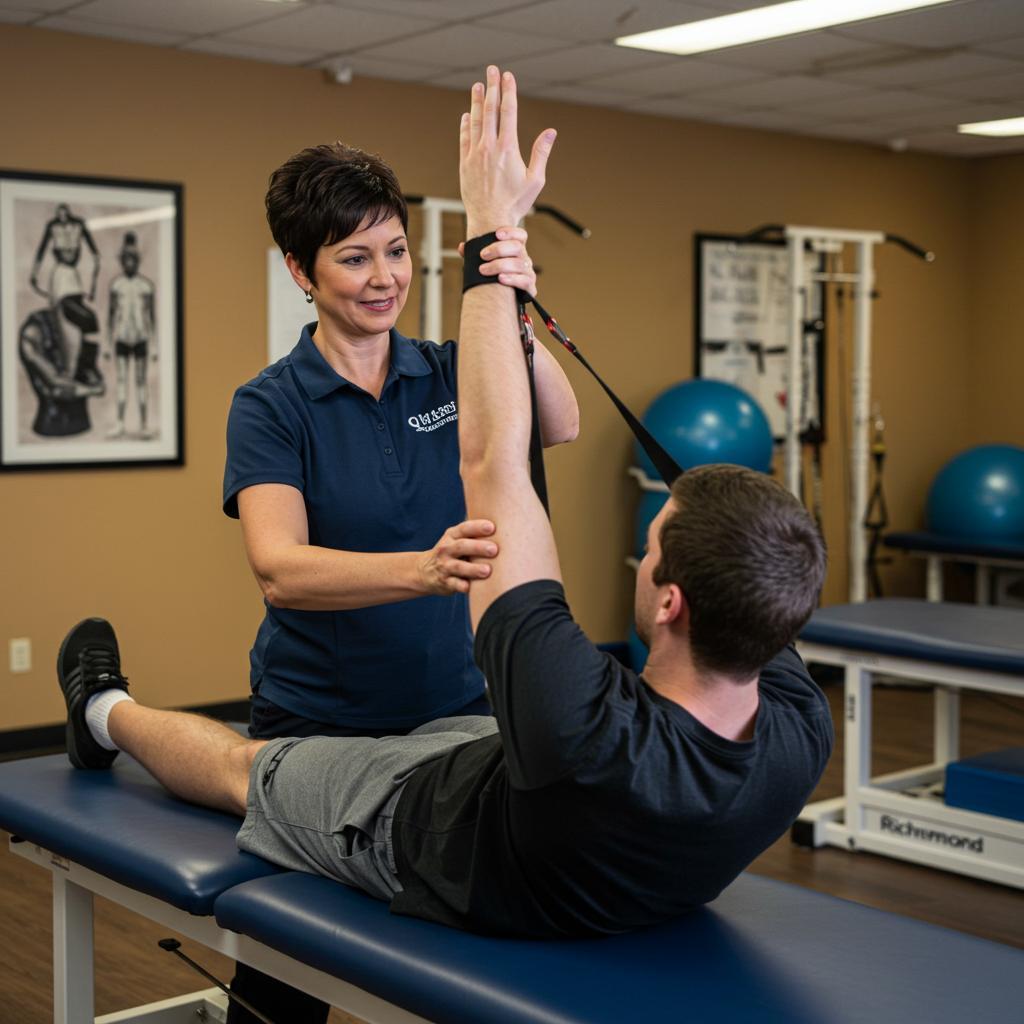
Understanding the treatment modalities and techniques that may be applied during your first visit can enhance your comfort level. Some modalities include:
- Manual Therapy: Techniques including massage and mobilization that allow therapists to physically manipulate muscles and joints.
- Therapeutic Exercises: Targeted exercises designed to improve strength, flexibility, and mobility according to your needs.
- Patient Education: An essential aspect of physical therapy, educating you about your condition and ways you can support your recovery at home.
Which Manual Therapy and Exercise Methods Might Be Applied?
Commonly utilized methods during therapy may include:
- Soft Tissue Mobilization: A hands-on technique to relax muscles and improve circulation.
- Joint Mobilization: Techniques aimed at improving joint movement and ease.
- Resistance Training: Effectively strengthens specific muscle groups for enhanced recovery.
These methods play significant roles in helping patients recover functionality and regain mobility.
How Do These Treatments Support Recovery and Mobility Improvement?
The treatments provided during your first appointment are designed to support your recovery in profound ways:
- Enhanced Mobility: Regular therapeutic exercises can gradually increase your range of motion.
- Pain Relief: Manual therapy techniques target muscle tension and joint discomfort, providing immediate and lasting relief.
- Functional Improvement: The combination of education and tailored exercises encourages independence in performing daily activities.
What Are Your Responsibilities and What Should You Expect After Your First Session?
After your initial session concludes, understanding your responsibilities is crucial for effective recovery.
- Home Exercise Follow-Through: You may be assigned specific exercises to complete at home, which are integral to your recovery process.
- Importance of Communication with the Therapist: Provide feedback on your experience during the therapy, as this can inform adjustments to your treatment plan.
What Follow-Up Actions and Home Exercises Will Be Recommended?
Typically, the following actions might be suggested following your first evaluation:
- Consistency with Home Exercises: Performing assigned exercises regularly can help reinforce progress made during sessions.
- Scheduled Follow-Up Appointments: Ensure you adhere to the schedule agreed upon for further evaluations.
Developing a routine around these suggestions can facilitate optimal recovery.
How Will Your Progress Be Monitored and Adjusted Over Time?
Monitoring and adjusting your treatment plan is essential for effective physical therapy. Ongoing assessments will be conducted to evaluate your progress, which may include:
- Periodic Reassessments: Conducting assessments every few sessions to gauge how well the treatment is working.
- Adjustment to Treatment Protocols: Based on your progress, your therapist might adjust the treatment plan to suit your evolving needs better.
Understanding that therapy is a dynamic process helps in maintaining a focus on recovery and progression.
What Practical Information Should You Know About Your Physical Therapy Appointment?
Several practical aspects can improve your readiness and experience when attending physical therapy.
- Duration of Appointments: Initial appointments generally last about 60-90 minutes, allowing adequate time for evaluations and treatment planning.
- Insurance Coverage Understanding: Awareness of what your insurance covers can alleviate financial concerns and help with payment planning.
How Long Does the Initial Physical Therapy Appointment Typically Last?
The average duration of your first physical therapy appointment typically ranges from 60 to 90 minutes. This time accommodates a comprehensive evaluation and discussion of your personalized treatment plan, ensuring you have ample opportunity to ask questions.
Is Physical Therapy Covered by Insurance and What Are the Costs?
Many insurance plans cover physical therapy services, although the degree of coverage and any out-of-pocket expenses vary. It’s essential to understand your specific plan details to avoid unexpected charges, ensuring access to the necessary treatment for recovery.
Leave a Reply