

Shoulder Sprain vs Rotator Cuff Tear: How to Tell the Difference and When to Get PT
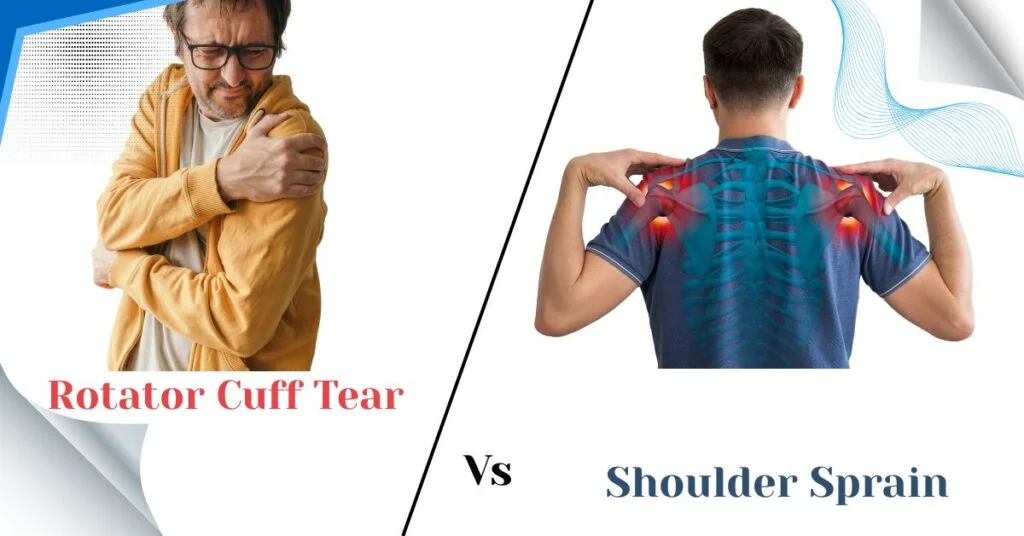
A shoulder sprain involves stretched or torn ligaments; a rotator cuff tear involves damage to the tendons or muscles of the rotator cuff. Key clinical difference: sprains cause localized pain and swelling with preserved strength, while rotator cuff tears cause significant weakness and pain with overhead lifting.
Shoulder injuries are a common occurrence that many individuals face, often leading to confusion regarding the specific type of injury sustained. Both shoulder sprains and rotator cuff tears present similar symptoms but have distinct characteristics and treatment pathways. Understanding these differences is crucial for effective management and recovery. This article aims to outline the variations between shoulder sprains and rotator cuff tears, highlighting their symptoms, diagnostic procedures, and the importance of seeking physical therapy. It will also explain when to get professional help and what recovery looks like for each condition.
The prevalence of shoulder injuries, especially among athletes and active individuals, makes it essential to recognize symptoms early. Key insights include the different pain presentations, mobility restrictions, and rehabilitation processes associated with both conditions. Proper identification ensures tailored recovery strategies, enabling individuals to return to their everyday activities or sporting events. We will explore each aspect in detail, focusing on the critical signs to look out for and the timing of medical intervention.
What Is a Shoulder Sprain?
A shoulder sprain involves the stretching or tearing of ligaments connecting the bones of the shoulder joint. Ligaments are fibrous tissues that stabilize joints by connecting bones. Typically caused by trauma or overuse, shoulder sprains lead to localized pain, swelling, and tenderness with preserved muscle strength. Diagnosis often involves physical examination and imaging to rule out fractures. Conservative treatment through rest and physical therapy is highly effective in most cases.
What Are the Signs of a Rotator Cuff Tear?
A rotator cuff tear refers to damage to the tendons or muscles of the rotator cuff that stabilize the shoulder. Tears can result from acute injury or chronic degeneration. Symptoms include significant shoulder weakness, pain especially with overhead lifting, and often a clicking or catching sensation during movement. Diagnosis typically requires a physical exam complemented by imaging such as MRI to assess the extent of tendon damage. Treatment ranges from conservative physical therapy to surgical repair for full-thickness tears.
When Should You See a PT for Shoulder Pain?
Early physical therapy intervention for shoulder pain is key to avoiding long-term complications from either sprains or rotator cuff tears. If you experience persistent pain that limits daily activities, swelling, or noticeable weakness in the shoulder, seeing a physical therapist promptly can aid recovery. Physical therapists provide targeted exercises to restore mobility, strength, and function, tailored to the specific injury type. Delaying therapy may prolong symptoms and complicate healing.
Frequently Asked Questions
How do I tell if I tore my rotator cuff or just sprained my shoulder?
Rotator cuff tears usually cause significant weakness and pain with overhead lifting, often accompanied by clicking or catching sensations. Shoulder sprains typically present with localized pain and swelling but minimal strength loss.
Can a rotator cuff tear heal without surgery?
Some partial rotator cuff tears may improve with conservative treatments like physical therapy, but full-thickness tears often require surgery for optimal recovery.
What is the recovery timeline for shoulder sprains and rotator cuff tears?
Shoulder sprains generally recover in 4-8 weeks with physical therapy, while rotator cuff tears may take 3-6 months or longer, especially if surgery is involved.
Which movements should I avoid if I have a rotator cuff tear?
Avoid overhead lifting, heavy lifting, and any movements that cause pain or clicking until cleared by a healthcare professional.
When is surgery necessary versus physical therapy alone?
Surgery is typically recommended for complete rotator cuff tears, significant weakness, or when symptoms persist despite several months of physical therapy.
Get Expert Shoulder Injury Rehabilitation in Texas
Polygon PT specializes in shoulder injury rehabilitation at our Houston, West Houston, Sugar Land, and Katy, TX clinics. Whether you have a sprain or a rotator cuff tear, our licensed PTs build individualized programs to restore strength and function. Call (346) 758-9383 to book your shoulder evaluation.
Leave a Reply