

Muscle Spasm Treatment: A Physical Therapist’s Complete Home and Clinic Guide
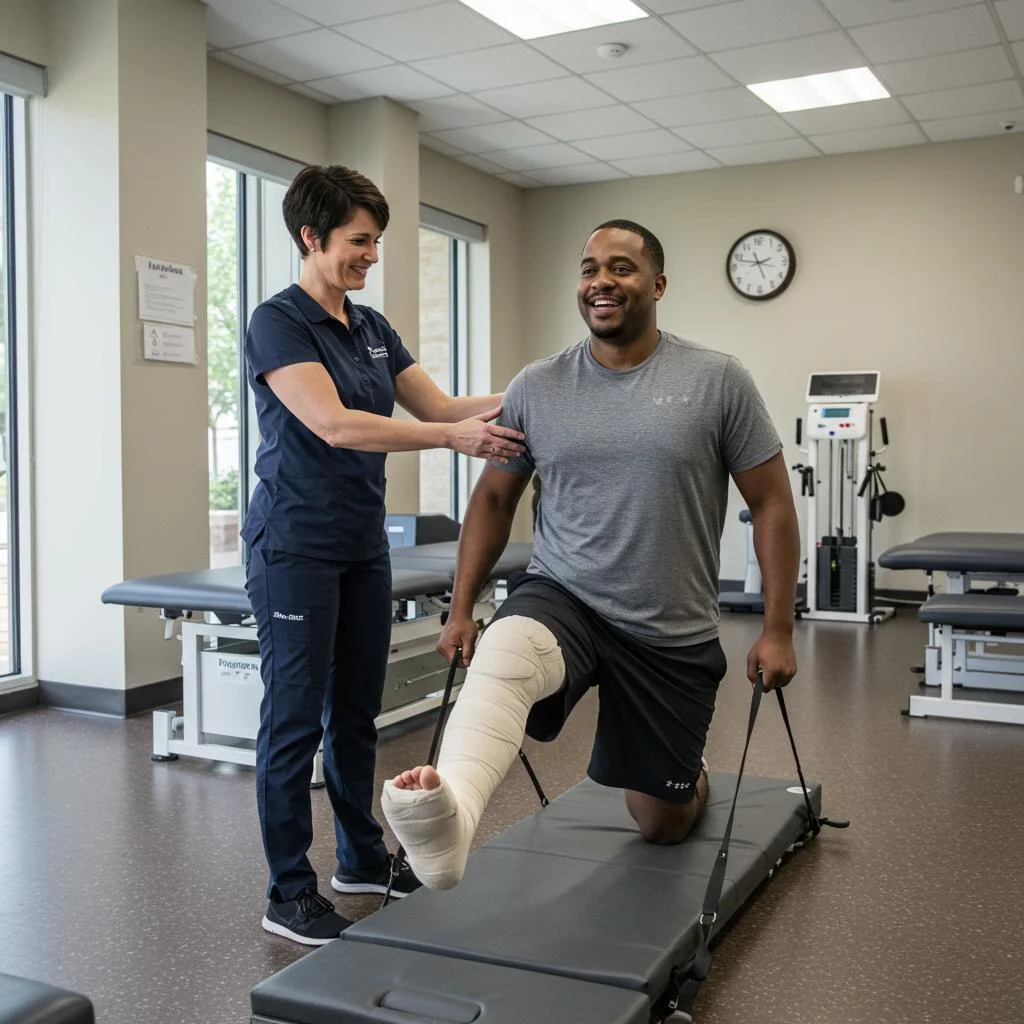
Muscle Spasm Treatment: A Physical Therapist’s Complete Home and Clinic Guide for Effective Relief and Prevention
Muscle spasm treatment includes stretching, heat and cold therapy, hydration, massage, and physical therapy – with professional PT addressing the root cause and preventing recurrence. At Polygon PT Houston, TX, our licensed physical therapists create personalized treatment plans that resolve muscle spasms faster than home care alone. Muscle spasms can be a frustrating and painful experience, affecting individuals of all ages and lifestyles. This comprehensive guide will provide physical therapists and patients alike with an understanding of effective treatments, preventive measures, and the role of physical therapy in managing muscle spasms. By exploring the mechanisms behind muscle spasms and outlining strategies for relief, this article aims to empower individuals with knowledge that can lead to significant improvements in their quality of life. With the intention to bridge the gap between home remedies and clinical interventions, we will dive into strategies such as immediate relief techniques, physical therapy, medications, and lifestyle changes, offering an educational roadmap to recovery.
Comprehensive Guide for Physical Therapists on Muscle Spasm Treatment
Physical therapists play a crucial role in the treatment and prevention of muscle spasms by employing a variety of techniques tailored to individual patient needs. Understanding the underlying mechanisms of muscle spasms is vital for developing effective treatment plans. Therapists often create individualized programs that combine immediate relief strategies and long-term rehabilitation approaches. The success of these interventions hinges on recognizing that muscle spasms can occur due to various factors, ranging from dehydration and electrolyte imbalances to overexertion and stress.
Understanding Muscle Spasms
Muscle spasms are involuntary contractions of one or more muscles, often resulting in discomfort and temporary impairment. These spasms can arise from multiple triggers, including dehydration, muscle fatigue, or underlying health conditions. Awareness of symptoms such as sharp pain or muscle stiffness is essential for early intervention. Educating patients on the causes and consequences of muscle spasms helps in preventing recurrences and managing symptoms effectively.
What Causes Muscle Spasms? Understanding Underlying Factors and Risk Conditions
Muscle spasms can be traced back to a variety of causes. They may result from:
- Neuromuscular Factors: Nerve signals can malfunction due to fatigue or overuse, leading to spasms.
- Dehydration: Insufficient fluid intake can disrupt the balance of electrolytes, critical for nerve and muscle function.
- Medical Conditions: Conditions such as diabetes or thyroid disorders may predispose individuals to muscle spasms.
Understanding these factors allows for more targeted treatment and prevention strategies.
Immediate Relief Strategies

When muscle spasms occur, immediate relief is essential to alleviate pain and discomfort. Therapists and patients can utilize various strategies for quick relief, including:
- Stretching Exercises: Engaging in gentle stretching can help to relax tight muscles and restore normal function.
- Heat and Cold Therapy: Applying heat can increase blood flow, while cold use can reduce inflammation and numb acute pain.
- Movement Techniques: Gentle movement encourages circulation and may prevent the muscles from tightening further.
These immediate strategies provide a practical approach to managing acute episodes of muscle spasms.
Physical Therapy Techniques
Physical therapy offers a structured approach to treating muscle spasms through various evidence-based techniques tailored to individual patient needs.
How Does Physical Therapy Treat Muscle Spasms? Evidence-Based Clinic and Home Interventions
Physical therapists often begin with a comprehensive assessment to determine the cause of the spasms. Based on this assessment, they may implement:
- Manual Therapy Techniques: These can include massage and manipulation of the affected muscles, aimed at facilitating relaxation and reducing pain.
- Strengthening Exercises: Customized rehabilitation programs that reinforce muscle strength can prevent future spasms by improving overall muscle function.
- Education on Body Mechanics: Teaching patients how to maintain optimal posture and physical habits can reduce the likelihood of muscle strains and spasms.
These interventions not only address immediate discomfort but also focus on long-term health and prevention. For a deeper dive into advanced techniques and protocols, exploring book a muscle spasm evaluation at Polygon PT can provide insights into physical therapy tailored to your needs.
Which Exercises Are Most Effective for Muscle Spasm Relief and Rehab at Home?
Home-based rehabilitation exercises can complement in-clinic therapies. Effective exercises often include:
1. Gentle stretching: Support muscle relaxation and improve flexibility.2. Strength training: Low-resistance strength exercises reinforce muscle support.3.Aerobic activities: Engaging in low-impact aerobic exercise can enhance overall circulation and muscle functionality over time.
Implementing these exercises into a daily routine helps maintain muscle health and prevents recurrence of spasms.
What Pain Management Techniques Support Muscle Spasm Treatment? Combining Therapy with Adjunct Strategies
Pain management is integral in treating muscle spasms, and it may include:
- Topical Analgesics: Creams or gels that provide localized pain relief.
- Physical Modalities: Techniques such as ultrasound therapy, which can penetrate tissues to reduce pain and inflammation.
- Hydration Strategies: Encouraging adequate fluid intake and electrolyte balance facilitates muscle function and may reduce the incidence of spasms.
These adjunct techniques, when combined with physical therapy, foster a comprehensive approach to managing muscle spasms effectively.
Medications and Medical Interventions
In addition to physical therapy, some patients may require medications to manage muscle spasms.
Which Types of Medications for Muscle Spasms Are Commonly Used?
Several categories of medications can be effective:
- Muscle Relaxants: These medications can alleviate muscle tightness and discomfort.
- Nonsteroidal Anti-Inflammatory Drugs (NSAIDs): Help reduce pain and inflammation associated with spasms.
- Anticonvulsants and Antidepressants: These can sometimes be prescribed for chronic muscle spasms, particularly if related to underlying neurological conditions.
Understanding the role of medications enables patients to make informed choices about their treatment options, ensuring a holistic approach to care.
Lifestyle and Preventive Measures
Preventing muscle spasms involves lifestyle adjustments that promote overall health.
How Do Hydration and Nutrition Influence Muscle Spasm Control?
Proper hydration and balanced nutrition are indispensable in muscle health. To mitigate muscle spasms, individuals should focus on:
- Adequate Fluid Intake: Staying well-hydrated is paramount for maintaining electrolyte balance.
- Balanced Diet: Consuming a variety of fruits, vegetables, and whole foods ensures an adequate supply of essential vitamins and minerals.
- Regular Exercise: Incorporating physical activity can strengthen muscles and improve flexibility.
Consistency in these areas will aid in reducing both the frequency and severity of muscle spasms.
Which Spasm Prevention Exercises and Ergonomic Strategies Reduce Recurrence Risks?
Engaging in specific exercises and adopting ergonomic practices can significantly lower the risk of muscle spasms. Recommended practices include:
- Regular Stretching Routines: These routines enhance flexibility and muscle elasticity.
- Proper Ergonomics: Use ergonomic chairs and desks when working to maintain optimal posture.
- Strengthening Programs: Focus on core and back muscles to provide a stable support structure for physical activities.
Implementing these strategies can create a proactive environment for muscle health, and for further exploration into preventive care, visiting physical therapy for muscle spasms offers great resources.
Long-Term Strategies
Long-term management of muscle spasms requires a comprehensive and sustained approach.
What Role Does Ongoing Physical Therapist Guidance Play in Sustained Muscle Health?
Ongoing consultation with a physical therapist allows individuals to receive continuous assessment and adaptation of their treatment plans as their conditions evolve. By offering guidance on proper methods and addressing any new symptoms, physical therapists can ensure that patients remain on the right track toward sustained muscle health.
When Should Patients Seek Professional Physical Therapy for Muscle Spasm Evaluation and Treatment?
Patients should consider seeking professional help when:
- Muscle spasms become frequent or severe.
- There is an inability to manage pain independently.
- Spasms are associated with other concerning symptoms, such as weakness or numbness.
Professional evaluation helps in identifying underlying issues that may contribute to frequent spasm occurrences, allowing for timely interventions.
What Symptoms Indicate the Need for Specialist Assessment?
Certain symptoms warrant specialist consultation, such as severe pain that doesn’t respond to standard treatments, persistent spasms that interfere with daily activities, or if spasms arise following a recent injury. Recognizing these symptoms early can lead to better outcomes through targeted interventions. For cutting-edge solutions in treatment optimization, schedule an appointment at Polygon PT to learn more.
How Can Patients Schedule and Prepare for Effective Physical Therapy Appointments?
To get the most out of physical therapy sessions, patients are encouraged to:
- Keep a symptom diary: Documenting the occurrence and severity of spasms aids therapists in evaluating conditions.
- List current medications: Inform therapists about all medications taken to avoid interactions during treatment.
- Be open about goals: Clearly communicating aims for therapy can help therapists develop personalized treatment plans.
Effective preparation facilitates a collaborative therapeutic relationship that enhances treatment efficacy.
Frequently Asked Questions About Muscle Spasm Treatment
What is the fastest way to stop a muscle spasm?
The fastest way to stop a muscle spasm is to gently stretch and massage the affected muscle while applying heat or cold therapy. Hydrating adequately and moving the muscle gently also help relieve the spasm quickly. If spasms persist, consulting a physical therapist ensures targeted treatment.
How long do muscle spasms typically last?
Muscle spasms usually last from a few seconds to several minutes. However, frequent or prolonged spasms may indicate underlying issues requiring professional evaluation and treatment.
Can muscle spasms be a sign of something serious?
While many muscle spasms are benign, persistent spasms associated with weakness, numbness, or severe pain may signal neurological or systemic conditions. It is important to seek professional assessment if symptoms worsen or fail to improve.
Should I use heat or ice for a muscle spasm?
Cold therapy is generally recommended immediately after a spasm to reduce pain and inflammation, while heat therapy helps relax muscles and improve blood flow after the initial acute phase. A physical therapist can advise on the appropriate approach based on your condition.
When should I see a physical therapist for muscle spasms?
If muscle spasms are frequent, severe, interfere with daily activities, or do not improve with home care, scheduling a physical therapy evaluation can help address the root cause and develop an effective treatment plan.
Can physical therapy prevent muscle spasms from coming back?
Yes, physical therapy can prevent recurrence by improving muscle strength, flexibility, and body mechanics. Personalized therapy plans target specific risk factors to promote long-term muscle health.
If you're dealing with recurring or severe muscle spasms in the Houston, Sugar Land, Katy, or West Houston area, Polygon PT's licensed physical therapists can help identify the root cause and create a personalized treatment plan. Call us at (346) 758-9383 or book your evaluation online at whitesmoke-wolverine-690369.hostingersite.com/.
Leave a Reply