

Lumbar Spondylosis Exercises: 12 Physical Therapist-Approved Moves for Lower Back Pain Relief

The best physical therapist-approved exercises for lumbar spondylosis are knee-to-chest stretches, cat-cow, pelvic tilts, glute bridges, bird-dog, and side planks — done 3-5 times per week to reduce lower back pain and strengthen spinal stabilizing muscles. These targeted exercises help alleviate symptoms, improve mobility, and support spinal health effectively when performed consistently and correctly.
Lumbar spondylosis is a common condition that affects many individuals, leading to persistent lower back pain and mobility issues. The condition involves degeneration of the lumbar spine, which can make everyday activities challenging. Without proper intervention, it may progress, leading to decreased quality of life. This article will delve into twelve physical therapist-approved exercises specifically designed to alleviate symptoms of lumbar spondylosis. Here, readers will learn not only how to perform these exercises safely but also understand the potential benefits of consistent practice. Topics will include the anatomy involved, effective stretching and strengthening routines, integration into daily therapy, and recommendations for optimal outcomes.
What Is Lumbar Spondylosis and How Does It Affect Lower Back Pain?
Lumbar spondylosis is a degenerative condition affecting the lumbar spine, commonly caused by aging and wear on the spinal discs. As the spinal discs degrade, individuals often experience stiffness and pain as well as reduced mobility due to the structural changes in the spine. This condition can manifest as chronic lower back pain, negatively impacting daily activities and overall well-being. Understanding the underlying mechanisms of lumbar spondylosis assists in targeting effective treatments and exercises to manage pain and improve function.
Which Anatomical Changes Occur in Lumbar Degenerative Disc Disease?
The primary anatomical changes associated with lumbar degenerative disc disease include the loss of disc height and hydration, resulting in decreased cushioning between vertebrae. Over time, this can lead to increased pressure on the facet joints and surrounding musculature, often manifesting as pain or stiffness. These changes can also cause the vertebrae to become closer together, which may lead to nerve compression. Maintaining spinal health through appropriate exercises is crucial for reducing discomfort and enhancing mobility. For comprehensive support and personalized treatment plans for spinal conditions, consulting with licensed physical therapists can be highly beneficial.
How Does Lumbar Spondylosis Cause Lower Back Pain?
The pain linked to lumbar spondylosis stems from various physiological processes. As the spinal discs undergo degeneration, they may bulge or herniate, putting pressure on nearby nerves. Additionally, inflammation in the surrounding tissues can trigger pain responses. Symptoms can vary significantly, with some individuals experiencing muscle spasms, stiffness, or radiating pain down the legs. A thorough understanding of how these mechanisms contribute to pain empowers individuals to seek effective therapeutic strategies.
How Do Physical Therapy Exercises Alleviate Lumbar Spondylosis Symptoms?
Physical therapy exercises play a pivotal role in managing the symptoms of lumbar spondylosis. Engaging in a regular routine can not only relieve pain but also improve function and quality of life. Therapeutic exercises aim to enhance flexibility, strengthen core muscles, and improve overall stability of the lumbar spine, which in turn can alleviate stress on the spinal structures. Understanding the types of exercises recommended helps individuals take a proactive approach to their recovery.
What Types of Therapeutic Exercises Are Recommended for Lumbar Spine Conditions?
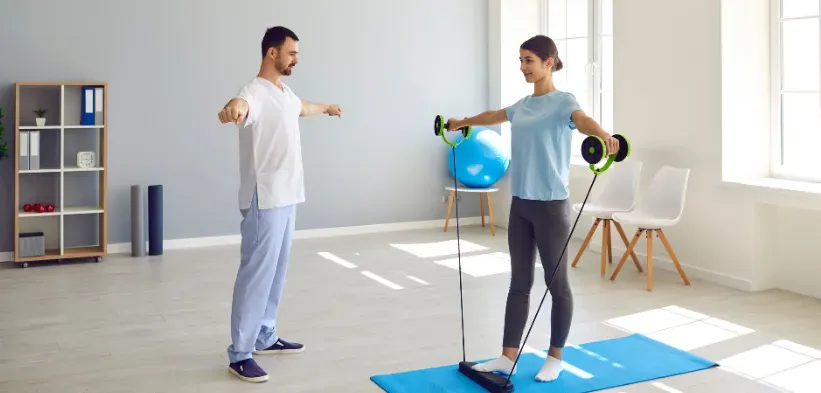
When addressing lumbar spondylosis, physical therapists typically recommend a combination of flexibility, strengthening, and low-impact aerobic activities. Effective exercises often include:
- Stretching Exercises: Gentle stretches help improve flexibility and relieve muscle tension. Specific stretches targeting the hamstrings and hip flexors are particularly beneficial.
- Core Strengthening: Strengthening the core muscles supports the spine, reducing strain on lower back structures and preventing future injury. Exercises may include planks and stability ball activities.
- Low-Impact Aerobic Activities: Activities such as walking, swimming, or cycling help improve cardiovascular health while minimizing the impact on the spine.
These exercises, under the guidance of a qualified professional, can substantially contribute to recovery from lumbar spondylosis.
What Are the 12 Key Physical Therapist-Approved Exercises for Lower Back Pain Relief?

Incorporating a variety of exercises can significantly improve pain relief and functionality for individuals with lumbar spondylosis. Physical therapists often endorse the following twelve exercises for effective management of lower back pain:
- Knee-to-Chest Stretch: Gently pull one knee toward your chest while lying on your back to stretch the lower back.
- Cat-Cow Stretch: Perform this gentle yoga pose to promote flexibility in the spine and relieve tension.
- Pelvic Tilts: Strengthens core muscles and reduces lower back strain by actively engaging the abdominal muscles.
- Bridges: This exercise targets the glutes and lower back while supporting lumbar alignment.
- Child’s Pose: A restorative position that alleviates tension in the back and encourages stretching.
- Bird-Dog: Enhances balance and core stability, contributing to lower back support.
- Side Planks: Strengthens the lateral muscles surrounding the spine, further supporting lumbar stability.
- Wall Sits: Improves endurance in the leg and back muscles, promoting stability and strength.
- Leg Raises: Targets the abdominal muscles while strengthening lower back alignment.
- Quadruped Arm/Leg Lifts: Engages core muscles and promotes stability through a coordinated movement pattern.
- Hamstring Stretches: Helps maintain flexibility in the posterior chain, reducing strain on the lower back.
- Hip Flexor Stretches: Promotes lower back health by alleviating tension in connected muscle groups.
How to Perform Effective Back Pain Stretching Routines Safely?
When performing stretching routines for back pain relief, safety is paramount. Individuals should prioritize proper techniques to avoid exacerbating pain or causing injury. Key guidelines include:
- Warm Up: Begin each session with a few minutes of light activity to prepare the muscles.
- Gentle Movement: Avoid pushing beyond comfortable ranges of motion; stretches should feel beneficial, not painful.
- Breathe: Maintain a steady breathing pattern to help relax muscles during stretches.
- Hold Stretch: Aim to hold each stretch for at least 15–30 seconds to achieve optimal benefits.
Following these best practices can ensure a safer and more effective stretching experience. Seeking professional guidance from a clinic like Polygon PT can provide tailored advice on performing these stretches correctly.
Which Strengthening Exercises Target Lumbar Degenerative Discs and Surrounding Musculature?
Targeted strengthening exercises are essential for supporting lumbar degenerative discs and the associated musculature. Effective strategies include:
- Core Stability Exercises: Focus on engaging the transverse abdominis and other core support muscles to stabilize the spine during movement.
- Resistance Training: Utilize weights or resistance bands to safely strengthen back, abdominal, and hip musculature effectively.
- Functional Exercises: Incorporating tasks that mimic daily life can reinforce the application of strength gained during workouts.
By focusing on these areas through a structured routine, individuals can significantly alleviate pain and enhance spinal health over time.
Spinal Stabilizing Exercises for Degenerative Disc Disease Pain and Muscle Strength
[Purpose] The aim of this study was to evaluate the efficacy of using spinal stabilizing exercise to reduce atrophy of the multifidus and psoas major muscles, reduce the levels of pain and disability, and increase paraspinal muscle strength in patients with degenerative disc disease (DDD). … exercise on the cross-sectional areas of the lumbar multifidus and psoas major muscles, pain intensity, and lumbar muscle strength of patients with degenerative disc …, 2014
How Should These Lumbar Spondylosis Exercises Be Integrated Into Daily Therapy?
Integrating exercises designed for lumbar spondylosis into daily life requires thoughtful planning and consistency. Adhering to a structured routine can yield significant improvements in mobility and pain management. For personalized exercises and consistent support, patients can seek out Polygon PT.
How Often Should Patients Perform Lumbar Therapeutic Exercises for Optimal Results?
For optimal results, physical therapists often recommend performing therapeutic exercises at least three to five times per week. Maintaining a regular schedule will promote sustained improvement and allow individuals to progress through their therapeutic objectives as their strength and flexibility increase.
What Safety Precautions and Modifications Are Essential During Exercise?
Safety is a crucial consideration when performing exercises aimed at alleviating lumbar spondylosis symptoms. Key precautions include:
- Listening to Your Body: Individuals should always observe their body’s response to exercises, modifying as needed.
- Avoiding Painful Movements: Stop any exercise that causes increased pain or discomfort.
- Utilizing Proper Techniques: Ensure all movements are performed with correct form to prevent injury.
Adhering to these precautions will help maximize benefits while minimizing risks.
What Are the Expected Outcomes and Benefits of Consistent Physical Therapy Exercises?
The consistent practice of therapeutic exercises can lead to numerous favorable outcomes for individuals dealing with lumbar spondylosis. These positive effects can enhance overall quality of life:
- Pain Relief: Regular movement can significantly lessen discomfort associated with lumbar degeneration.
- Improved Mobility: Enhanced flexibility and strength lead to greater range of motion in everyday activities.
- Increased Quality of Life: Many individuals find that improved function allows for more engagement in social and physical activities previously restricted by pain.
How Does Regular Therapeutic Exercise Improve Mobility and Reduce Pain?
Regular therapeutic exercise stimulates circulation, reduces stiffness, and strengthens the muscles critical to spinal support. Increased blood flow helps to deliver nutrients to the spinal discs, while exercise-induced endorphins work as natural painkillers. Over time, this comprehensive approach effectively reduces pain and fosters improved mobility, lessening reliance on pain medications.
Exercise Interventions for Lumbar Degenerative Disc Disease
review evaluates the efficacy of rehabilitation-focused exercise interventions for lumbar degenerative disc disease (DDD), a leading cause of chronic low back pain.
Effects of Exercise-Based Rehabilitation on Lumbar Degenerative Disc Disease: A Systematic Review, S Aali, 2025
What Patient Testimonials and Clinical Data Support These Exercise Protocols?
Several clinical studies underscore the efficacy of therapeutic exercises for managing lumbar spondylosis. Research shows patients who engage in regular therapeutic routines report significant improvements in pain levels and mobility. Patient testimonials reinforce these findings, with many individuals expressing satisfaction with their enhanced quality of life and ability to perform daily tasks independently post-exercise regimen.
Frequently Asked Questions (FAQ)
How Can Patients Access Professional Physical Therapy Services and Support for Lumbar Spondylosis?
For enhanced support, accessing professional physical therapy services can provide individuals with tailored care and guidance tailored to their specific needs. This is where specialized clinics like Polygon PT excel in offering comprehensive solutions.
What Are the Qualifications and Expertise of Licensed Physical Therapists at Polygon PT?
At Polygon PT, licensed physical therapists undergo rigorous training and certification to ensure they are well-equipped to handle diverse patient needs related to lumbar spondylosis and other spine conditions. Their expertise includes evaluating patients, developing personalized treatment plans, and guiding patients through effective exercise regimens.
How Can Patients Schedule Appointments and Access Personalized Treatment Plans?
Scheduling an appointment with a physical therapist can often be done easily through a practice’s website or by contacting their office directly. During an initial assessment, therapists will discuss individual concerns and goals, allowing for the development of custom treatment strategies designed to optimize recovery and pain management. This personalized approach results in higher compliance with therapeutic exercises, ultimately leading to better outcomes for individuals with lumbar spondylosis.
Polygon PT treats lumbar spondylosis and lower back pain at clinics across Houston, West Houston, Sugar Land, and Katy TX. Call (346) 758-9383 to book your lower back evaluation with a licensed physical therapist.
Leave a Reply