

Knee Physical Therapy: Effective Treatment Options for Pain Relief, Strength, and Mobility
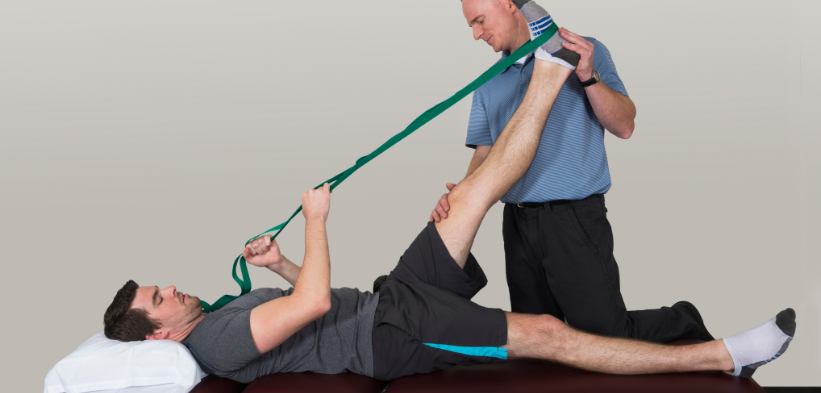
Knee pain is one of the most common musculoskeletal issues affecting people of all ages. Whether caused by injury, overuse, arthritis, or post-surgical recovery, knee discomfort can significantly limit mobility and quality of life. Fortunately, knee physical therapy is a proven, non-invasive solution that helps restore strength, reduce pain, and improve joint function.
In this blog, we’ll explore how knee physical therapy works, common conditions it treats, and how expert physical therapy services from Polygon Physical Therapy can help you move confidently again.
Understanding Knee Pain and Its Impact
The knee is a complex joint that supports body weight and allows essential movements like walking, running, and climbing stairs. Because of its constant use, it is vulnerable to injuries and degenerative conditions.
Common causes of knee pain include:
- Ligament injuries such as ACL or MCL tears
- Meniscus tears
- Patellofemoral pain syndrome
- Tendinitis
- Osteoarthritis
- Post-surgical stiffness
Without proper treatment, these conditions can worsen over time, leading to chronic pain and limited mobility.
What Is Knee Physical Therapy?
Knee physical therapy is a specialized rehabilitation approach designed to address pain, weakness, stiffness, and instability in the knee joint. A licensed physical therapist creates a personalized treatment plan based on the patient’s condition, goals, and activity level.
Therapy focuses on:
- Reducing pain and inflammation
- Restoring range of motion
- Strengthening muscles around the knee
- Improving balance and stability
- Preventing future injuries
It is often recommended as a first-line treatment before considering surgery.
Conditions Treated with Knee Physical Therapy
1. Sports Injuries
Athletes commonly experience knee injuries due to sudden movements or overuse. Knee physical therapy helps accelerate recovery and safely return patients to sports.
2. Arthritis
Physical therapy reduces joint stiffness and improves function for individuals with osteoarthritis or rheumatoid arthritis.
3. Post-Surgical Rehabilitation
After knee surgery, structured physical therapy is essential for restoring strength, flexibility, and confidence in movement.
4. Chronic Knee Pain
For long-term knee discomfort, therapy addresses muscle imbalances and movement patterns that contribute to pain.
Key Components of Knee Physical Therapy
Strengthening Exercises
Targeted exercises strengthen the quadriceps, hamstrings, glutes, and calves, which support knee stability and alignment.
Range of Motion Training
Stretching and mobility exercises help reduce stiffness and improve flexibility.
Manual Therapy
Hands-on techniques improve joint mobility, reduce pain, and enhance circulation.
Balance and Stability Training
Improving proprioception reduces the risk of falls and re-injury.
Education and Injury Prevention
Patients learn proper movement techniques and home exercises to maintain progress.
The Role of Physical Therapy Services in Recovery
Professional physical therapy services provide structured care and expert guidance throughout the recovery process. A skilled therapist monitors progress, adjusts treatment plans, and ensures exercises are performed safely.
High-quality physical therapy services offer:
- Personalized treatment plans
- Evidence-based techniques
- One-on-one therapist support
- Long-term injury prevention strategies
Choosing the right provider significantly impacts recovery outcomes.
Why Choose Polygon Physical Therapy?
Polygon Physical Therapy is dedicated to helping patients overcome knee pain and regain mobility through personalized, evidence-based care. Their experienced therapists focus on treating the root cause of pain, not just the symptoms.
Benefits of Knee Physical Therapy at Polygon Physical Therapy
- Customized rehabilitation programs
- Experienced, licensed physical therapists
- Advanced treatment techniques
- Patient-focused care approach
- Support for injury prevention and long-term wellness
Polygon Physical Therapy works closely with each patient to ensure a safe, effective, and lasting recovery.
When Should You Start Knee Physical Therapy?
Early intervention is key to preventing chronic pain and further injury. You should consider knee physical therapy if you experience:
- Persistent knee pain or swelling
- Difficulty walking or climbing stairs
- Knee instability or weakness
- Limited range of motion
- Pain after sports or physical activity
Starting therapy early can reduce recovery time and improve long-term outcomes.
What to Expect During Your First Visit
During your initial appointment at Polygon Physical Therapy, your therapist will:
- Review your medical history
- Perform a detailed knee assessment
- Identify movement limitations and pain triggers
- Create a personalized treatment plan
You’ll also receive guidance on home exercises and lifestyle adjustments to support recovery.
Long-Term Benefits of Knee Physical Therapy
Beyond pain relief, knee physical therapy offers lasting benefits such as:
- Improved joint strength and flexibility
- Enhanced balance and coordination
- Reduced risk of future injuries
- Improved overall mobility and quality of life
With consistent care, many patients return to their favorite activities stronger and more confident.
Final Thoughts
Knee pain doesn’t have to control your life. Knee physical therapy is a safe, effective, and proven solution for restoring movement, strength, and comfort. With professional physical therapy services from Polygon Physical Therapy, patients receive expert care tailored to their individual needs and goals.
If you’re experiencing knee pain or recovering from an injury or surgery, seeking physical therapy can help you get back to doing what you love pain-free and stronger than bef