

How to Get Rid of Muscle Spasms Fast (And Keep Them From Coming Back)
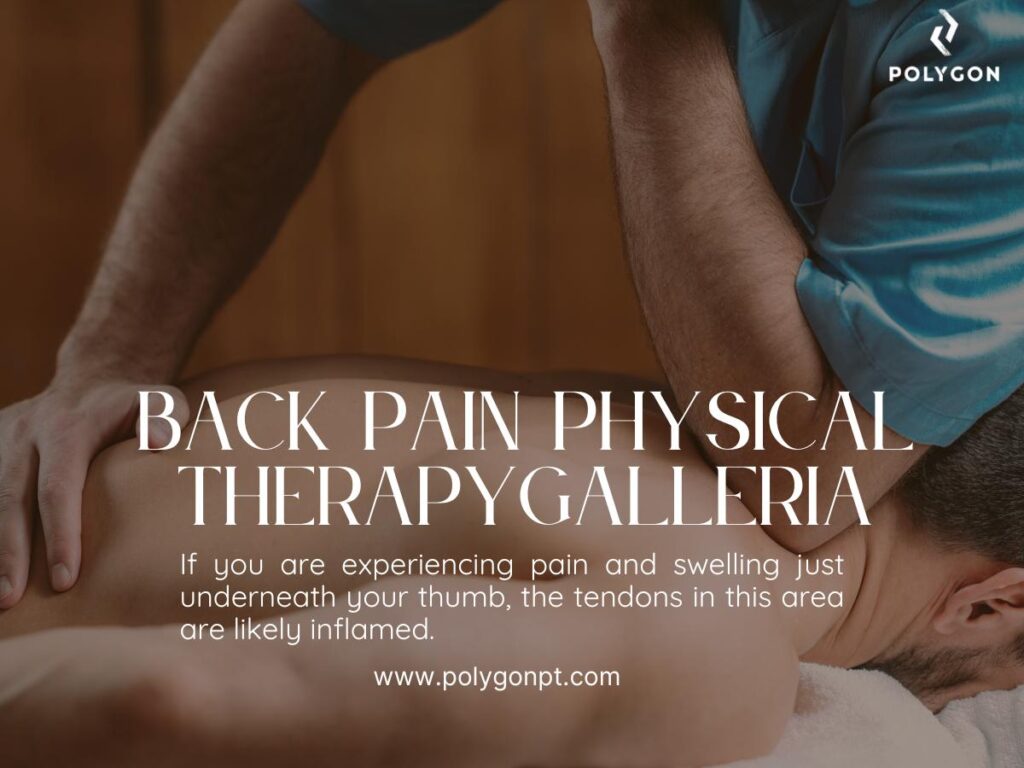
To get rid of a muscle spasm fast, immediately apply heat or ice to the affected area, gently stretch the muscle, massage the site, and drink water with electrolytes. If spasms recur frequently, physical therapy at Polygon PT identifies the underlying cause – whether dehydration, nerve irritation, overuse, or poor posture – and prevents them from coming back. Muscle spasms can be a painful and disruptive experience that many people face at some point in their lives. Understanding how to alleviate these spasms quickly and prevent future occurrences is essential for maintaining muscle health and overall well-being. This comprehensive guide delves into effective strategies for muscle spasm relief and prevention, focusing on the role of physical therapy and lifestyle adjustments.
By exploring immediate relief techniques, physical therapy approaches, and preventative measures, readers will glean valuable insights that empower them to take control of their muscle health. Furthermore, this article also highlights how to seek professional help and the available resources to enhance recovery.
Immediate Relief Strategies
Acute muscle spasms demand prompt attention to alleviate discomfort and restore mobility. There are several effective techniques for quick relief that can be easily implemented at home. These methods focus on reducing pain while simultaneously addressing the underlying causes of muscle tension.
- Stretching Techniques: Gentle stretching can help to alleviate muscle tightness and facilitate relaxation. Focus on slowly stretching the affected muscle to relieve tension.
- Massage Methods: Applying gentle pressure or using a foam roller on the affected area can help diffuse muscle knots and enhance blood circulation, leading to quicker relaxation of the muscle.
- Heat and Cold Applications: Alternating between heat and cold treatments can provide relief. Heat helps to relax and loosen tissues, while cold can numb sharp pain and reduce inflammation.
These immediate relief strategies are foundational for anyone experiencing muscle spasms, yet they are just the beginning of a comprehensive approach to muscle health.
Physical Therapy Techniques
Physical therapy contributes significantly to both immediate spasm relief and long-term muscle health. By utilizing a range of specialized techniques, therapists can create personalized treatment plans tailored to individual needs.
Physical therapy offers several benefits through customized therapy programs that can improve mobility, strength, and flexibility. Specific techniques include:
- Manual Therapy Advantages: Skilled therapists apply hands-on techniques to manipulate muscles and joints, thereby improving mobility and reducing pain.
- Postural Correction Techniques: Therapists work on identifying and correcting postural issues that may contribute to muscle tension and spasms throughout daily activities.
As a vital resource, Polygon PT provides expert guidance in physical therapy for muscle spasms, ensuring tailored programs that prioritize each patient’s unique needs.
Preventative Measures
Preventing muscle spasms is just as important as finding immediate relief when they occur. By adopting proactive strategies, individuals can minimize the likelihood of spasms recurring in the future.
- Hydration Strategies: Maintaining adequate hydration helps prevent electrolyte imbalances that can lead to muscle cramps. Drinking sufficient water daily is crucial, especially during physical activity.
- Regular Stretching Practices: Incorporating daily stretching routines can improve flexibility and decrease the likelihood of muscle tightness, thus preventing spasms.
- Balanced Diet Significance: Consuming a balanced diet rich in potassium, calcium, and magnesium supports muscle function and helps prevent cramps.
By integrating these preventative measures into daily routines, individuals can significantly reduce the occurrence of muscle spasms.
When to Seek Professional Help
Acknowledging when to seek professional healthcare is crucial in managing muscle spasms effectively. If spasms persist despite applying self-care techniques, it may be indicative of underlying issues requiring expert evaluation.
Symptoms that suggest a need for professional help include:
- Muscle spasms that interfere with daily activities.
- Persistent discomfort despite at-home treatment.
- Swelling or signs of injury accompanying spasms.
Taking timely action by consulting with healthcare providers can prevent minor issues from developing into more serious conditions.
What Are Muscle Spasms and What Causes Them?
Muscle spasms are involuntary contractions of one or more muscles, often causing pain and discomfort. They can occur due to various reasons, including:
- Overexertion: Strenuous exercise or overuse of a muscle can lead to spasms, especially in untrained muscles.
- Dehydration: Insufficient fluid intake can disrupt electrolyte balance, leading to muscle contractions.
- Nerve Compression: Conditions such as herniated discs or spinal stenosis can irritate spinal nerves, resulting in spasms.
Recognizing these triggers is essential for effectively addressing and preventing muscle spasms.
How Do Symptoms of Muscle Spasms Present and Affect Patients?
Symptoms of muscle spasms can range from mild discomfort to severe pain, significantly impacting individuals’ daily lives. Affected muscles may feel tight or knotted; some patients experience persistent pain long after the spasm has subsided.
Physically, these spasms can also affect mobility and overall muscle functionality. Emotionally, they may lead to increased anxiety about physical activity and exercise, further exacerbating the issue.
What Are the Fastest Muscle Spasm Relief Methods Available?
There are numerous methods available for rapid relief from muscle spasms that individuals can implement effectively. Focusing on the most effective methods allows individuals to manage their symptoms in real time:
- Gentle Massage: Lightly massaging the affected area helps to improve blood flow and relax tightly contracted muscles.
- Stretching: Targeted stretching of the affected muscle can provide immediate relief by promoting relaxation and improved blood flow.
- Topical Treatments: Applying heat wraps or muscle-relaxing creams can offer soothing relief from muscle tension.
These methods demonstrate the importance of immediate action in addressing uncomfortable muscle spasms effectively.
How Does Hydration and Electrolyte Balance Influence Muscle Spasm Relief?
Hydration is crucial for maintaining muscle function and preventing spasms. Electrolytes, such as potassium, calcium, and magnesium, play vital roles in muscle contractions and relaxation processes. For optimal outcomes, understanding hydration and electrolyte balance is key.
To support optimal hydration and electrolyte balance, consider:
- Regular Fluid Intake: Aim for at least eight 8-ounce glasses of water per day.
- Electrolyte-Rich Foods: Incorporate foods rich in natural electrolytes into your diet, including bananas, leafy greens, and nuts.
By keeping well-hydrated, individuals can significantly reduce the risk of experiencing muscle spasms and promote overall muscle health.
How Does Physical Therapy Provide Effective Muscle Spasm Treatment?
Physical therapy serves as a cornerstone in the treatment of muscle spasms through comprehensive assessment and tailored interventions. Professional therapists utilize various methods to enhance muscle function, reduce tension, and alleviate pain.
Tailoring treatments based on individual needs ensures that patients receive the most effective care possible.
Which Manual Therapy Techniques Do Skilled Therapists Use for Muscle Spasm Relief?
Manual therapy encompasses various hands-on techniques that skilled therapists employ to alleviate muscle spasms. These may include:
- Myofascial Release: A specialized technique targeting fascia and connective tissues to relieve tension.
- Trigger Point Therapy: Focused on specific tight knots in muscles that cause referred pain, helping to release tension.
By utilizing these and other methods, therapists help restore normal muscle function and provide enduring relief.
What Are the Recommended At-home Exercises to Prevent Muscle Spasms Recurrence?
Incorporating regular exercises into daily routines can help prevent muscle spasms from recurring. Here are some effective at-home exercises to consider:
- Gentle Stretching: Focus on stretches targeting major muscle groups, holding each for 20-30 seconds.
- Strengthening Activities: Incorporate light weightlifting or resistance band exercises to improve muscle strength and endurance.
- Low-impact Cardiovascular Activities: Engage in low-impact exercises like walking or cycling to promote healthy blood flow and muscle function.
Practicing these exercises regularly supports long-term muscle health and helps reduce the likelihood of future spasms.
What Long-term Lifestyle Strategies Support Sustained Muscle Spasm Prevention?
To successfully prevent recurring muscle spasms, individuals should adopt long-term lifestyle strategies. Essential practices include:
- Maintain Balanced Nutrition: Prioritize meals rich in vitamins and minerals essential for muscle function.
- Consistent Exercise Routine: Find a balanced mix of strength, flexibility, and cardiovascular activities to enhance overall muscle health.
- Manage Stress Levels: Implement relaxation techniques such as yoga or meditation to mitigate both physical and emotional stress.
By embracing these sustainable lifestyle choices, individuals can foster a healthier muscle environment and minimize future spasm occurrences.
How Does Regular Physical Activity and Stress Management Play in Avoiding Muscle Spasms?
Regular physical activity enhances overall muscle tone and flexibility, thereby reducing spasms’ likelihood. Equally, effective stress management techniques contribute to muscle relaxation, preventing tension buildup.
Engaging in moderate exercise such as swimming, yoga, or cycling coupled with regular stretching routines can play a significant role in preventing muscle-related issues.
Experiencing frequent or severe muscle spasms in Houston, Katy, Sugar Land, or West Houston? Polygon PT’s licensed physical therapists can identify the root cause and build a personalized plan to stop them for good. Call (346) 758-9383 or book online at whitesmoke-wolverine-690369.hostingersite.com/.
How Can Patients Access Expert Polygon PT Physical Therapy for Muscle Spasm Care?
For individuals seeking professional help in treating muscle spasms, accessing expert physical therapy is essential. Patients can:
- Schedule an Appointment: Reach out to a physical therapist at Polygon PT to discuss symptoms and treatment options.
- Participate in Evaluation: Undergo a thorough assessment to identify personalized treatment strategies.
- Commit to Recovery: Engage in a tailored therapy program designed to meet your specific rehabilitation needs.
Polygon PT offers patients comprehensive support and expert care to ensure effective muscle spasm treatment.
How Do Polygon PT’s Advanced Physical Therapy Techniques Improve Patient Outcomes?
Polygon PT employs advanced physical therapy techniques that directly enhance patient outcomes. Customizable therapeutic approaches allow therapists to design treatment plans considering individual conditions and goals. Success stories from previous patients highlight the effectiveness of these tailored strategies in addressing muscle health challenges.
Utilizing the expertise at Polygon PT provides patients with the resources necessary to achieve lasting relief from muscle spasms and promote sustained muscle health for the future.
Leave a Reply