
Dry Needling vs Acupuncture: Key Differences Explained by a Physical Therapist

Dry needling and acupuncture are two techniques that leverage the use of needles to address pain and discomfort, yet they stem from distinct philosophies and methodologies. While both aim to alleviate muscle tension and improve mobility, the underlying principles and approaches vary significantly. This article delves into the nuances of dry needling & acupuncture, with insights from physical therapy to clarify their respective mechanisms and benefits.
Individuals often face persistent muscle pain that impacts their daily activities. Understanding the differences between these two practices can empower patients to make informed decisions about their treatment options. This guide outlines the purpose, methodology, and potential benefits of both techniques, providing a comprehensive overview that addresses common misconceptions and highlights evidence-based practices.
We will explore each method in detail, discussing their roles in pain management, the techniques involved, and the unique therapeutic outcomes associated with each. Additionally, we will look into safety considerations and evidence regarding their effectiveness.
Purpose:
The primary purpose of dry needling is to relieve muscle pain by targeting myofascial trigger points. These trigger points are hyperirritable knots formed within tight muscle bands that can create pain in the surrounding areas, often referred to as referred pain. In contrast, acupuncture is rooted in traditional Chinese medicine, where its goal is to promote overall wellness by restoring balance and energy flow (Qi) throughout the body.
Dry needling specifically isolates and treats muscular dysfunction, whereas acupuncture seeks to achieve harmony among the body’s vital energies. This distinction defines the foundational approaches of each technique, resulting in differing applications within physical therapy and holistic health practices.
Methodology:
The methodologies of dry needling and acupuncture differ significantly. Dry needling is performed by licensed physical therapists who have undergone specialized training to assess and treat musculoskeletal pain using thin, sterile needles. This technique involves inserting needles directly into trigger points to release muscle tension and reduce pain.
Conversely, acupuncture practitioners utilize a range of traditional methods grounded in centuries of practice. Acupuncturists aim to stimulate specific points on the body, known as acupuncture points, to balance the flow of energy. The needles are typically inserted at various depths, dictated by the target points and desired outcomes. This results in a broader focus on overall health rather than just localized pain relief.
Potential Benefits:
Both dry needling and acupuncture present unique benefits that can enhance treatment outcomes for patients dealing with various conditions.
What Is Dry Needling and How Does It Work?
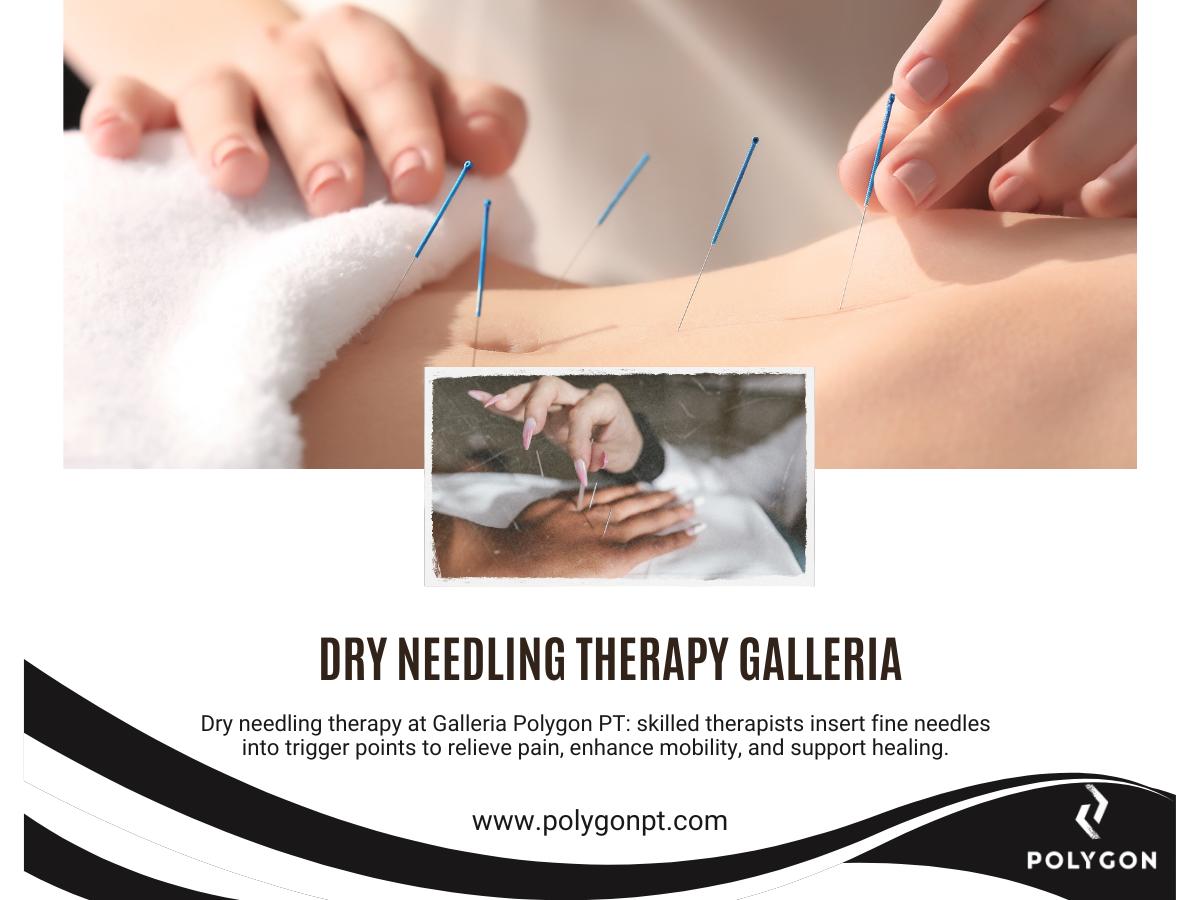
Dry needling targets myofascial trigger points using fine needles that penetrate the skin without injecting any substances. The technique works through several mechanisms, including the alleviation of muscle tension and the interruption of pain signals to the brain, promoting a sense of relief and improved muscle function.
Techniques:
In dry needling, physical therapists begin with a thorough assessment to identify tight or painful muscle groups. After pinpointing trigger points, fine needles are inserted to provoke a local twitch response; this involuntary reaction is essential for muscle relaxation. The depth and angle of needle insertion depend on the location of the trigger point and the muscle’s response.
Mechanisms of Action:
The primary mechanism of action in dry needling involves inducing a twitch response, which allows muscles to relax and disrupts the transmission of pain signals. This mechanical stimulation can enhance blood flow to the affected area, thereby promoting healing and reducing discomfort over time.
Therapeutic Benefits:
The therapeutic benefits of dry needling include rapid pain relief, improved range of motion, and increased recovery speed after physical activity. Patients often report quick relief from chronic pain and an enhancement in functional performance, allowing them to return to their daily activities with less discomfort.
For a detailed analysis of dry needling’s effectiveness in treating musculoskeletal pain, consider the insights from this study.
Dry Needling vs. Acupuncture: Therapeutic Effectiveness for Musculoskeletal Pain
using the term ‘dry needling’. The majority of this literature reports on the therapeutic effectiveness of DN using solid filiform needles for various types of musculoskeletal pain.
Within the Dry needling versus acupuncture: the ongoing debate, Y Ma, 2015
What Are Myofascial Trigger Points and Their Role in Muscle Pain?
Myofascial trigger points are localized areas of muscle tension that can generate pain radiating to other body parts. They are commonly associated with chronic pain syndromes and can be the result of repetitive strain, inadequate stretching, or trauma. Treatment of these trigger points can lead to significant improvements in overall muscle function and pain relief.
How Do Physical Therapists Perform Dry Needling Therapy?
Physical therapists begin by thoroughly examining the patient’s physical condition to identify areas of tension or pain. After determining the specific trigger points, they employ dry needling methods targeted at releasing muscle tightness. The process is largely painless, with most patients experiencing only minimal discomfort as the needles are inserted.
This innovative method offers a minimally invasive and effective approach to managing musculoskeletal pain, as highlighted by contemporary research.
Dry Needling for Musculoskeletal Pain: Effectiveness and Methods
ABSTRACT: AbstractMyofascial pain is a common syndrome seen by family practitioners worldwide. It can affect up to 10% of the adult population and can account for acute and chronic pain complaints. In this clinical narrative review we have attempted to introduce dry needling, a relatively new method for the management of musculoskeletal pain, to the general medical community. Different methods of dry needling, its effectiveness, and physiologic and adverse effects are discussed. Dry needling is a treatment modality that is minimally invasive, cheap, easy to learn with appropriate training, and carries a low risk. Its effectiveness has been confirmed in numerous studies and 2 comprehensive systematic reviews. The deep method of dry needling has been shown to be more effective than the superficial one for the treatment of pain associated with myofascial trigger points. However, over areas with potential risk of significant adverse events, such as lungs and large blood vessels, we suggest using the
Dry needling in the management of musculoskeletal pain, L Kalichman, 2010
What Is Acupuncture and What Is Its Traditional Approach?
Acupuncture, originating from traditional Chinese medicine, involves inserting needles at specific points on the body to influence the flow of Qi. This practice is built on the belief that health is maintained by a balanced flow of energy, and disruptions can lead to illness. Acupuncture practitioners assess the overall health of the patient and use various techniques, including needle insertion, to restore harmony within the body.
How Does Acupuncture Differ in Philosophy and Technique?
While both modalities utilize similar needles, their philosophies diverge significantly. Acupuncture addresses broader health concerns by focusing on energy balance and overall well-being. In contrast, dry needling is more targeted and specific to musculoskeletal pain issues. Additionally, acupuncture typically involves longer sessions with needles remaining in place for a duration of time, compared to the brief insertion duration of dry needling.
What Conditions Does Acupuncture Commonly Treat?
Commonly treated conditions with acupuncture include stress-related disorders, chronic pain, migraines, digestive issues, and anxiety. The holistic approach aims to improve not just symptoms but overall health, making it a popular choice for individuals seeking alternative treatments beyond conventional medical practices.
Despite its ancient origins, modern research continues to unravel the complex physiological mechanisms behind acupuncture’s therapeutic effects.
Acupuncture’s Physiology: Ancient Origins to Modern Mechanistic Evidence
1. Acupuncture has been widely used in China for three millennia as an art of healing. Yet, its physiology is not yet understood. The current interest in acupuncture started in 1971. Soon afterward, extensive research led to the concept of neural signaling with possible involvement of opioid peptides, glutamate, adenosine and identifying responsive parts in the central nervous system. In the last decade scientists began investigating the subject with anatomical and molecular imaging. It was found that mechanical movements of the needle, ignored in the past, appear to be central to the method and intracellular calcium ions may play a pivotal role. In this review, we trace the technique of clinical treatment from the first written record about 2,200 years ago to the modern time. The ancient texts have been used to introduce the concepts of yin, yang, qi, de qi, and meridians, the traditional foundation of acupuncture. We explore the sequence of the physiological process, from the turning of the needle, the mechanical wave activation of calcium ion channel to beta-endorphin secretion. By using modern terminology to re-interpret the ancient texts, we have found that the 2nd centuryb.c.physiologists were meticulous investigators and their explanation fits well with the mechanistic model derived from magnetic resonance imaging (MRI) and confocal microscopy. In conclusion, the ancient model appears to have withstood the test of time surprisingly well confirming the popular axiom that the old wine is better than the new.2. Acupuncture has been used in China from its very beginning some 2,500 years ago. But it has been a puzzle for the West since it was brought back by the Jesuits in the 17th century. In its recent form, acupuncture became popular only after an unexpected treatment of a New York Times reporter in 1971. Since then, it has been widely deployed with clinical success for migraine, knee and back pain, chemo-induced nausea, vomiting and hot-flash among othe
Ancient Chinese medicine and mechanistic evidence of acupuncture physiology, B Nilius, 2011
What Are the Clinical Differences Between Dry Needling and Acupuncture?
Clinical differences between dry needling and acupuncture include the focus of treatment and the techniques used. Dry needling emphasizes localized relief by addressing specific trigger points, whereas acupuncture provides a comprehensive approach to enhance overall health. This distinction can influence patient choice depending on their health goals and specific conditions experienced.
How Does Dry Needling Target Musculoskeletal Pain Differently?
Dry needling is particularly effective for musculoskeletal pain due to its direct approach to trigger points. By specifically targeting these areas, dry needling acts quickly to alleviate tension and restore normal muscle function. This specificity is contrasted with acupuncture, which works on a more systemic level and may not address localized pain as effectively.
In What Ways Do Acupuncture and Dry Needling Differ in Treatment Protocols?
Treatment protocols for dry needling and acupuncture are structured differently, reflecting their respective methodologies. Dry needling protocols involve precise localization of muscle groups and trigger points, with sessions often shorter and outcomes more immediate. Conversely, acupuncture sessions can be longer and may encompass a wide range of treatment strategies beyond mere pain relief.
What Are the Safety Considerations and Potential Risks of Each Treatment?
Both dry needling and acupuncture are generally safe when performed by qualified practitioners. There are, however, specific risks associated with each technique that patients should be aware of.
What Are the Common Risks Associated with Dry Needling?
Common risks of dry needling include soreness at the insertion site, bruising, and potential bleeding. Though serious complications are rare, improper technique can lead to unintended injury or infection. It is crucial that dry needling is performed by licensed professionals trained in the technique.
How Do Acupuncture Safety and Side Effects Compare?
Acupuncture is also considered safe, with minimal side effects when conducted by skilled practitioners. Common side effects may include slight bruising or sensitivity at needle sites. As with dry needling, the potential for injury exists if the procedure is not performed correctly, highlighting the importance of professional training and adherence to safety protocols.
What Does Clinical Evidence Say About Treatment Outcomes?
Research supports the effectiveness of both dry needling and acupuncture in various therapeutic situations, demonstrating significant benefits for pain relief and recovery.
What Are the Latest Research Findings on Dry Needling for Muscle Pain Relief?
Recent studies indicate that dry needling can lead to rapid pain relief for musculoskeletal conditions, enhancing muscle recovery and improving physical function. Clinical evidence shows favorable outcomes, with many patients reporting decreased pain levels and improved mobility after just a few sessions.
How Effective Is Acupuncture for Pain Management According to Recent Studies?
Recent studies affirm that acupuncture provides effective pain management for a variety of conditions, particularly chronic pain syndromes. Research highlights acupuncture’s ability to alleviate pain through neurobiological mechanisms, thus providing a holistic alternative for those seeking non-pharmacological interventions.
Why Choose Polygon PT for Dry Needling Therapy?
Choosing Polygon PT for dry needling therapy offers numerous advantages. Our experienced therapists are well-versed in the latest techniques and treatment methodologies, ensuring effective and personalized care for each patient. With a focus on integrated treatment options, our approach enhances overall therapeutic outcomes for individuals dealing with chronic pain and discomfort. Some of the services Polygon PT offers include dry needling.
What Qualifications and Certifications Do Polygon PT Therapists Hold?
Our therapists possess advanced certifications in dry needling and are accredited professionals with extensive training in physical therapy. Their expertise allows them to deliver high-quality care tailored to the unique needs of each patient, ensuring safe and effective treatment processes.
How Can Patients Schedule and Prepare for Dry Needling at Polygon PT?
Patients can easily schedule appointments by visiting our website or contacting our office directly. To prepare for dry needling treatment, it is advisable to come to the session well-hydrated and avoid any heavy meals beforehand. Understanding the procedure and discussing any concerns with your therapist will also enhance the experience and outcomes of the treatment. For more information on scheduling an appointment, you can visit Polygon PT.
Contact Polygon PT today to schedule your dry needling therapy or discuss your treatment options. Phone us at (346) 758-9383. We proudly serve Houston, West Houston, Sugar Land, and Katy, TX. Book your appointment conveniently online at polygon pt.
Leave a Reply