

Best Therapeutic Exercises to Alleviate Chronic Pain

Best Therapeutic Exercises to Alleviate Chronic Pain: Evidence-Based Physical Therapy Routines for Effective Pain Relief and Rehabilitation
Chronic pain affects millions of individuals globally, significantly impairing their quality of life. This article explores a range of therapeutic exercises specifically designed to alleviate chronic pain, improve patient mobility, and promote long-term functional recovery. Understanding the underlying mechanics of these exercises reveals their profound impact on relieving discomfort and restoring function for those who suffer from persistent pain. In this comprehensive guide, we delve into various exercise modalities, including strength training, stretching techniques, and aerobic activities, and outline their benefits and applications.
We will also discuss manual therapy, posture correction, and education in pain management. Additionally, we’ll highlight how specialized services from professionals at Polygon PT can help tailor these exercise programs to individual needs, ensuring optimal recovery outcomes.
Manual Therapy
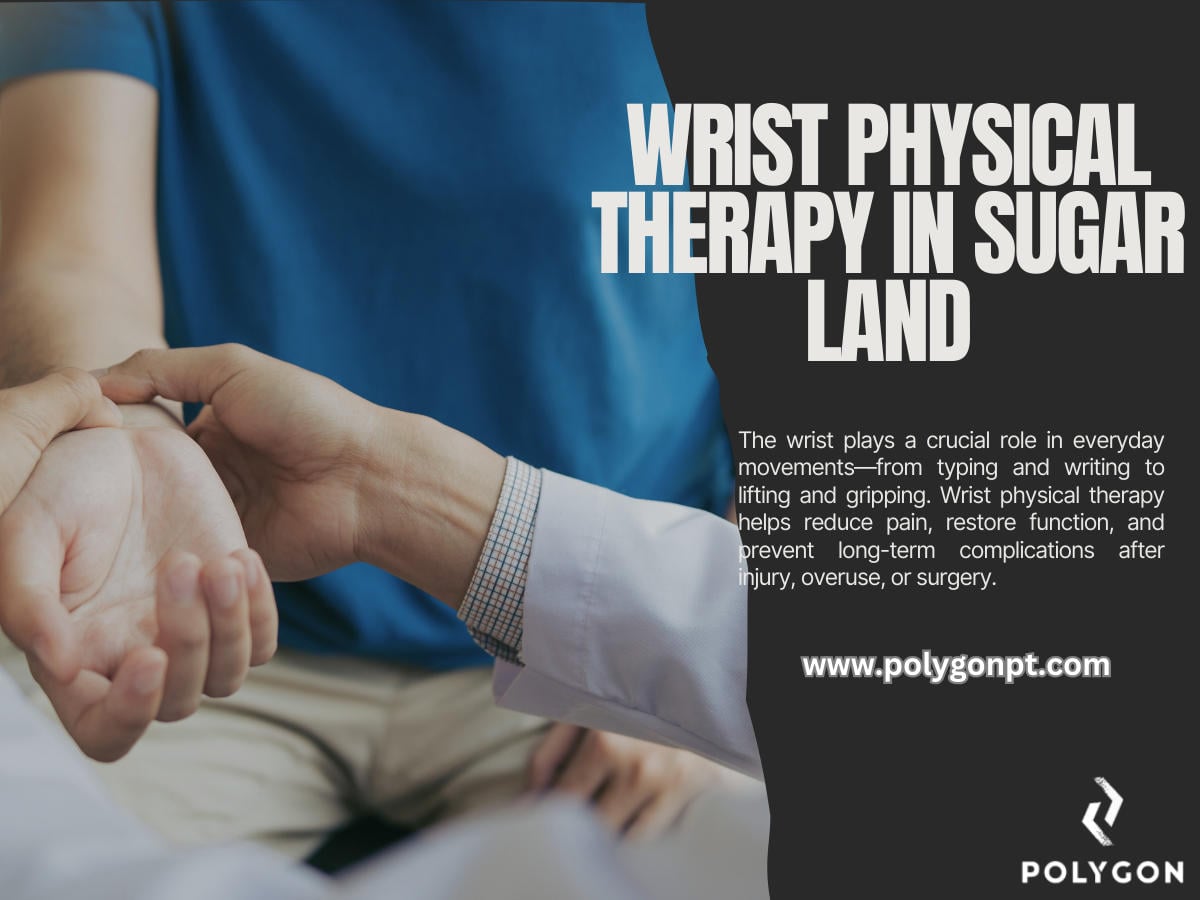
Manual therapy encompasses a variety of hands-on techniques aimed at relieving pain and improving mobility. Techniques, such as joint mobilization and soft tissue manipulation, work by directly targeting the sources of pain and discomfort. Therapy aims to reduce muscle tension, improve circulation, and restore joint function, leading to enhanced overall physical performance. Numerous studies have demonstrated that manual therapy is especially effective in managing chronic pain by addressing underlying musculoskeletal issues.
Therapeutic Exercises
Therapeutic exercises form a crucial component of chronic pain management. These exercises can be tailored to meet each patient’s specific needs, facilitating a personalized approach to rehabilitation. Types of therapeutic exercises include:
- Strengthening Exercises: These activities focus on building muscle strength, which can provide critical support to weak or injured areas of the body. Core strengthening, for instance, can relieve tension on the spine and reduce overall pain levels. Consistent practice leads to greater strength, improved mobility, and a reduced risk of further injury.
- Stretching and Mobility Exercises: Stretching improves flexibility and joint range of motion, which can alleviate stiffness and discomfort. Techniques such as dynamic stretching and static holds aid in muscle relaxation and pain relief, enabling better daily functioning.
At Polygon PT, personalized rehabilitation programs are designed to include a mix of these exercises. By focusing on strengthening, improving flexibility, and enhancing overall mobility, therapeutic exercises provide essential support to individuals suffering from chronic pain.
Strengthening Exercises
Strengthening exercises are instrumental in chronic pain rehabilitation. Developing stronger muscles supports joints and reduces strain, ultimately helping to alleviate pain. Resistance training can involve weights, resistance bands, or body-weight exercises that target specific muscle groups. Over time, these exercises lead to improved muscle endurance, better stability, and enhanced functional capacity in everyday activities.
Stretching and Mobility Exercises
Stretching not only improves flexibility but is also crucial for pain relief in individuals with chronic pain. Stretching techniques like yoga or Pilates can enhance mobility, ultimately easing tension throughout the body. Regular practice contributes to improved posture, which can reduce strain on muscles and joints. This approach to movement education underscores the importance of maintaining joint health and flexibility throughout life.
Posture Correction
Posture correction plays a significant role in physical therapy and chronic pain management. Correcting poor posture can alleviate pressure on the spine and surrounding muscles, essential for reducing pain in conditions such as back pain, neck pain, and headaches. By utilizing techniques to enhance awareness of body alignment, individuals can make conscious efforts to maintain proper posture, leading to lasting improvements in daily function and comfort.
Neuromuscular Re-education
Neuromuscular re-education involves retraining the brain and body’s communication to improve movement and coordination. This technique is particularly beneficial for individuals recovering from injuries or surgeries. By focusing on developing proper movement patterns and strengthening pathways, neuromuscular re-education enhances functional abilities and reduces pain associated with altered movement mechanics.
Heat and Cold Therapy
Utilizing heat and cold therapy can significantly benefit individuals dealing with chronic pain. Heat therapy helps relax and soothe stiff or tense muscles, while cold therapy can effectively reduce inflammation and numb sharp pain. Alternating between these therapies provides comprehensive pain relief by addressing both stiffness and inflammation, leading to enhanced mobility and comfort during rehabilitation.
Gait Training
Gait training aims to improve walking patterns, essential for maintaining mobility and balance. Individuals suffering from chronic pain often develop altered walking patterns to compensate for discomfort, which can lead to increased muscle strain and subsequent pain. Training focuses on correcting these patterns through targeted exercises that promote more efficient and pain-free movement.
Education and Self-Management Techniques
Patients equipped with knowledge about their condition and effective self-management strategies are better prepared to handle chronic pain. Educating patients on the nature of their pain, potential triggers, and strategies to alleviate discomfort empowers them to take an active role in their recovery. Techniques such as mindfulness, stress management, and tailored exercise regimens play crucial roles in self-care.
Rehabilitation Strategies
Effective rehabilitation for chronic pain patients requires a comprehensive approach. A successful rehabilitation strategy will include a blend of therapeutic exercises, education, and consistent professional guidance. Tracking progress and adjusting exercise regimens according to individual responses ensures long-term results. Practices like scheduled follow-ups and maintaining open communication with providers, such as Polygon PT, can significantly enhance recovery outcomes.
Conditions Treated
Therapeutic exercises can effectively treat a wide range of chronic pain conditions, including:
- Back Pain: Targeted exercises aim to strengthen core muscles, supporting proper spinal alignment.
- Arthritis: Gentle range-of-motion exercises help manage pain and stiffness associated with arthritis.
- Tendonitis: Specific protocols promote healing while preventing further irritation of the affected area.
Benefits of Physical Therapy for Pain Relief
The benefits of physical therapy in managing chronic pain extend beyond immediate relief. Engaging in a structured physical therapy program leads to:
- Enhanced Mobility: Regular therapeutic exercise boosts mobility and reduces stiffness.
- Pain Management: Effective rehabilitation routines teach coping strategies for pain management.
- Improved Quality of Life: Active participation in one’s own recovery transforms the patient experience, enhancing overall wellness.
At Polygon PT, we focus on providing evidence-based physical therapy solutions that align with current research and best practices.
What Is Chronic Pain and How Can Therapeutic Exercises Help Manage It?
Chronic pain is defined as discomfort that persists beyond the normal recovery period, often lasting for months or years. Therapeutic exercises help by improving physical function, reducing sensations of pain, and enhancing overall well-being. Through consistent practice, individuals experience gradual improvements in their pain levels and daily mobility.
Which Chronic Pain Conditions Benefit Most from Physical Therapy?
Conditions such as fibromyalgia, chronic fatigue syndrome, and neuropathic pain are well-advised to utilize physical therapy approaches. Symptoms can be mitigated through tailored exercise programs that address their specific needs, promoting better long-term health outcomes.
How Do Therapeutic Exercises Promote Long-Term Pain Relief and Functional Recovery?
Therapeutic exercises, particularly when integrated with manual therapy and education, create a holistic approach to chronic pain management. By systematically developing core strength and flexibility, patients gain greater control over their bodies, leading to prolonged relief and enhanced functional recovery from pain.
Which Stretching Exercises Are Most Effective for Alleviating Chronic Pain?
Numerous stretching exercises show promise for alleviating chronic pain, including:
- Hamstring Stretches: Encouraging flexibility in the lower back and legs.
- Neck Stretches: Relieving tension that can lead to headaches and discomfort.
- Hip Flexor Stretches: Easing strain in the lower back.
What Are the Best Stretching Techniques to Improve Joint Mobility and Reduce Pain?
Incorporating techniques such as dynamic stretching or yoga not only promotes flexibility but also alleviates muscle tension, which is essential for pain management. These techniques improve circulation, invigorating the tissues around joints and aiding recovery.
How Often Should Patients Perform Therapeutic Stretching for Optimal Results?
Therapeutic stretching should ideally be performed daily for optimal results. Consistency in stretching helps maintain muscle elasticity and joint mobility, allowing for ongoing management of chronic pain.
How Do Strengthening Exercises Contribute to Chronic Pain Rehabilitation?
Strengthening exercises play a pivotal role in alleviating chronic pain, offering structural support to joints and muscles. By developing strength in key muscle groups, patients can better support their bodies, leading to decreased pain levels during daily activities.
What Strength Training Methods Are Recommended for Chronic Pain Management?
Effective strength training methods for chronic pain management include:
- Isometric Exercises: Building strength without joint movement, minimizing strain.
- Controlled Resistance Training: Using light weights or resistance bands to prevent injury while building muscle.
- Body-Weight Exercises: Utilizing one’s own weight for resistance to enhance strength gradually.
What Precautions Should Be Taken When Performing Therapeutic Strengthening Routines?
Safety is paramount when embarking on a therapeutic strengthening routine. Individuals should start slow, listen to their bodies, and consult with healthcare professionals to ensure individualized approaches that avoid exacerbating any existing pain.
Why Are Aerobic and Low-Impact Exercises Important for Pain Management?
Aerobic and low-impact exercises, such as walking, cycling, and swimming, are vital in managing chronic pain. These forms of exercise increase cardiovascular health and promote the release of endorphins, the body’s natural painkillers.
Which Aerobic Exercises Are Suitable for Patients with Chronic Pain?
Patients with chronic pain can benefit from low-impact aerobic exercises, which include:
- Swimming: Provides buoyancy and relieves joint pressure.
- Cycling: Enhances stamina and leg strength without undue stress.
- Walking: A simple, daily activity that promotes circulation and overall wellness.
How Does Regular Low-Impact Exercise Reduce Pain Intensity and Improve Mobility?
Regular low-impact exercise can modulate pain pathways, leading to reduced pain intensity over time. The systematic incorporation of such exercises improves muscle strength and coordination, ultimately resulting in enhanced mobility and function.
What Role Do Post-Surgery Rehabilitation Exercises Play in Chronic Pain Alleviation?
Post-surgery rehabilitation exercises are crucial for facilitating recovery and minimizing chronic pain risk. These exercises are specifically designed to restore function, enhance strength, and prevent complications following surgical procedures.
Which Therapeutic Exercises Are Recommended After Surgery to Prevent Chronic Pain?
Therapeutic exercises post-surgery may include:
- Gentle Range of Motion Exercises: Helps restore mobility without straining the surgical site.
- Progressive Strength Training: Gradually increases strength as the recovery progresses.
- Stabilization Exercises: Focus on core stability to support surrounding muscles.
How Can Physical Therapy Techniques Optimize Surgical Outcomes and Minimize Long-Term Pain?
Effective physical therapy aids surgical outcomes by focusing on maintaining mobility and strength while minimizing complications such as stiffness and muscle atrophy post-surgery. Using advanced rehabilitation techniques, such as those provided by Polygon PT, plays a crucial role in the recovery process.
How Can Patients Maximize Success with Therapeutic Exercise Programs for Chronic Pain?
Patients can enhance their success with therapeutic exercises by setting realistic goals, maintaining consistency, and communicating openly with their healthcare team. Adherence to prescribed routines coupled with regular assessments facilitates optimal recovery.
What Are Common Patient Challenges and How Can Clinical Support Improve Adherence?
Common challenges during rehabilitation include pain flare-ups and motivation struggles. Engaging healthcare professionals can provide tailored encouragement and adaptive strategies, enhancing patient adherence and overall satisfaction with their recovery journey.
Where Can Patients Find Professional Guidance and Monitoring for Their Exercise Protocols?
Professional guidance is available through physical therapy clinics like Polygon PT. Specialized practitioners offer personalized assessments, individualized exercise programs, and ongoing support to enhance patient outcomes. With their expertise, patients can effectively navigate their recovery journey and maximize the benefits of therapeutic exercises.
Leave a Reply