

What Causes Muscle Spasms? 7 Common Triggers and How to Break the Cycle

Muscle spasms are most commonly caused by dehydration and electrolyte imbalances, overuse or muscle fatigue, poor posture and repetitive strain, nerve irritation (such as from herniated discs or sciatica), sleep disorders, certain medications, and underlying conditions like diabetes or thyroid dysfunction. Understanding your specific trigger is the key to effective treatment. These factors can cause involuntary muscle contractions that interfere with daily activities and comfort. This article explores these major triggers and discusses effective relief methods, especially highlighting the role of physical therapy. Many individuals experience debilitating muscle cramps at some point, creating a need for actionable insights on how to break this cycle. We’ll delve into common causes like muscle fatigue and explore simple preventive strategies that can be integrated into daily life. Moreover, we’ll discuss how specialized physical therapy can provide relief and when professional help is necessary.
What Are the Primary Causes of Muscle Spasms?
Muscle spasms are involuntary contractions of one or more muscles, often resulting from various physical and environmental factors. Dehydration and electrolyte imbalances are among the prominent triggers, as these conditions severely impact muscle functionality. Recognizing these triggers is essential for establishing effective treatment strategies. For example, ensuring adequate hydration can often prevent the occurrence of these painful spasms, and understanding why they happen connects directly to the necessity of targeted physical therapy rehabilitation for recovery.
Understanding Muscle Spasm and Pain Physiology
Muscle spasm is defined in this chapter as involuntary and long-lasting muscle contraction. It is distinct from spasticity caused by a CNS lesion. The pain–spasm–pain cycle, which is often assumed to be responsible for chronic muscle pain, is a physiologically untenable concept. Tension-type headache (TTH) is a clinical pain condition that can be associated with increased muscle tension in some patients and without evident EMG activity. TTH may also be caused by myofascial trigger points (TrPs). Painful muscle spasm is present in cases of spasmodic torticollis, trismus, nocturnal leg cramps, and stiff-man (preferably, “stiff-person”) syndrome. Increased muscle tone as a cause of muscle pain, 2010
How Do Dehydration and Electrolyte Imbalance Trigger Muscle Spasms?
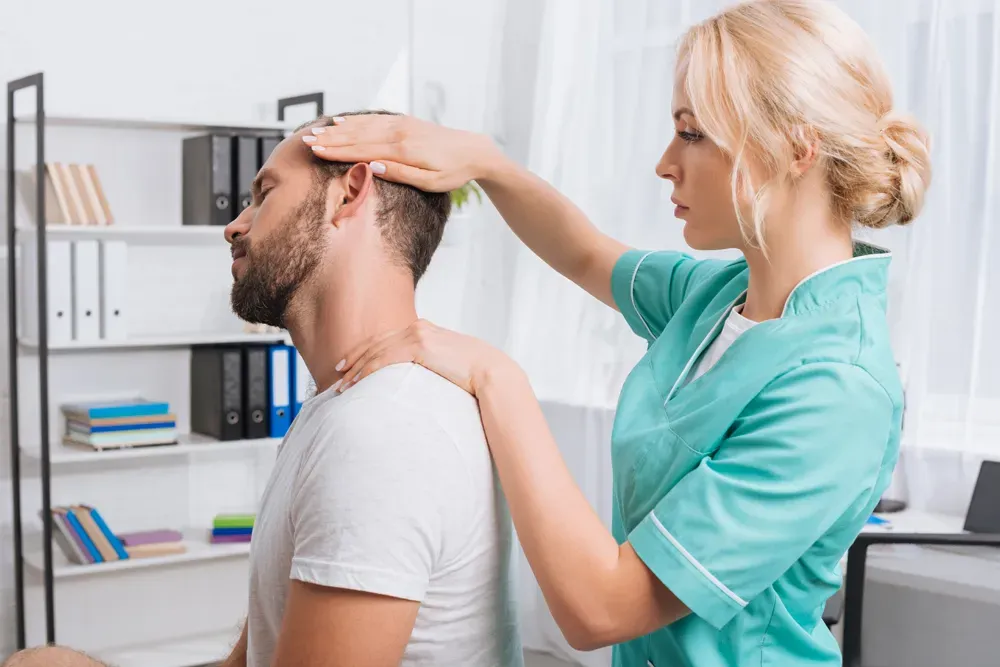
Dehydration leads to imbalances in essential electrolytes, critical for muscle contraction and relaxation. Electrolytes such as sodium, potassium, and calcium are essential for muscle function, maintaining cellular hydration, and transmitting nerve impulses. When dehydration occurs, the concentration of these electrolytes can decrease, leading to muscle malfunction and involuntary contractions. This correlation emphasizes the importance of regular fluid intake and proper nutrition to mitigate such risks.
Causes and Solutions for Exercise-Induced Muscle Cramps
Muscle cramp is a temporary but intense and painful involuntary contraction of skeletal muscle that can occur in many different situations. The causes of, and cures for, the cramps that occur during or soon after exercise remain uncertain, although there is evidence that some cases may be associated with disturbances of water and salt balance, while others appear to involve sustained abnormal spinal reflex activity secondary to fatigue of the affected muscles. Evidence in favour of a role for dyshydration comes largely from medical records obtained in large industrial settings, although it is supported by one large-scale intervention trial and by field trials involving small numbers of athletes. Cramp is notoriously unpredictable, making laboratory studies difficult, but experimental models involving electrical stimulation or intense voluntary contractions of small muscles held in a shortened position can induce cramp in many, although not all, individuals. These studies show that dehydration has no effect on the stimulation frequency required to initiate cramping and confirm a role for spinal pathways, but their relevance to the spontaneous cramps that occur during exercise is questionable.
There is a long history of folk remedies for treatment or prevention of cramps; some may reduce the likelihood of some forms of cramping and reduce its intensity and duration, but none are consistently effective. It seems likely that there are different types of cramp that are initiated by different mechanisms; if this is the case, the search for a single strategy for prevention or treatment is unlikely to succeed. Muscle cramping during exercise: causes, solutions, and questions remaining, 2019
In What Ways Does Nerve Irritation Lead to Muscle Twitching and Spasms?
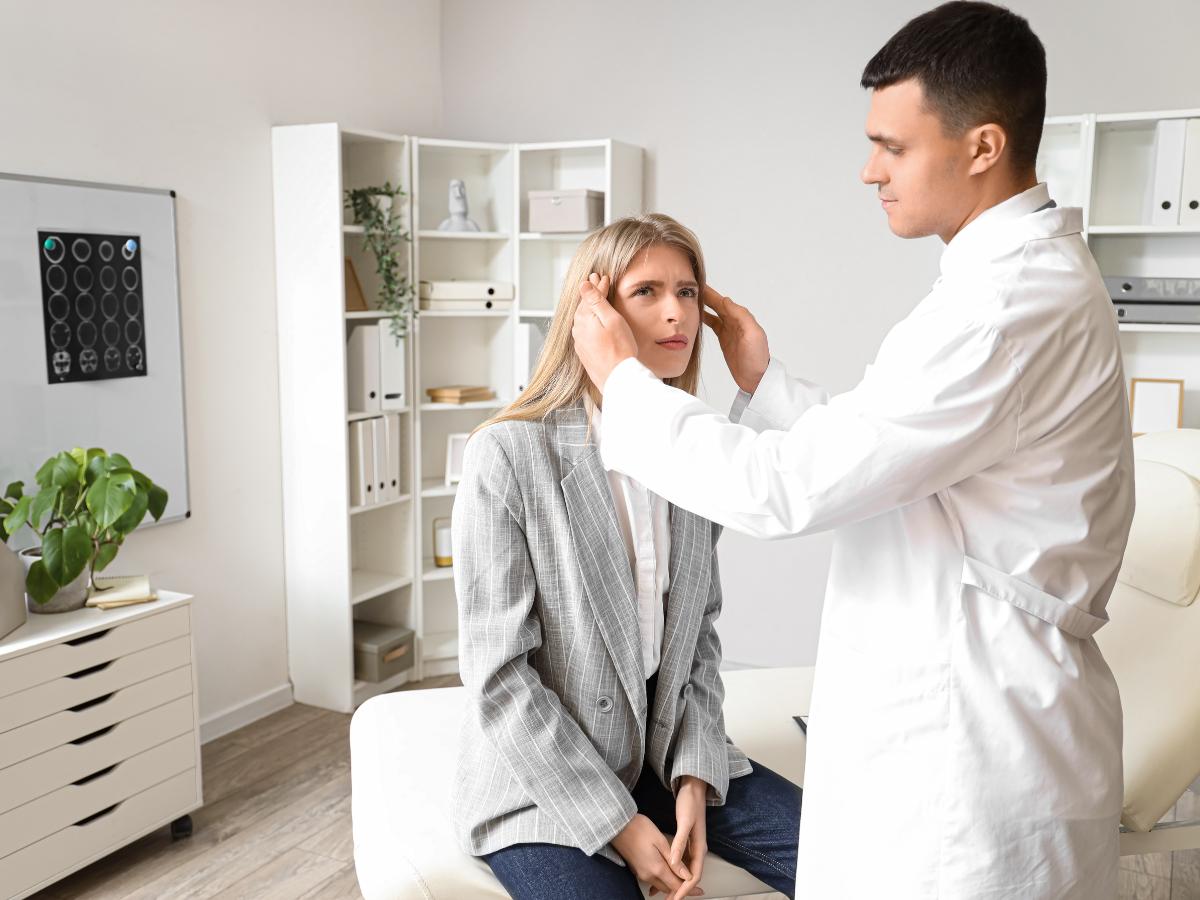
Nerve irritation, often resulting from compression or injury, can trigger muscle spasms by affecting the signals that nerves send to muscles. Conditions such as herniated discs and sciatica can cause significant nerve compression, leading to involuntary muscle contractions. When nerves are compromised, they may misfire or send incorrect signals, leading to twitching and spasms. Understanding this connection is fundamental in the assessment and rehabilitation processes, where neuromuscular physical therapy can play a pivotal role in recovery and pain management.
How Do Overuse and Muscle Fatigue Contribute to Muscle Cramps?
Overuse of specific muscle groups contributes significantly to the development of muscle cramps. Extended physical activity without adequate rest can lead to muscle fatigue, which in turn increases the likelihood of spasms. Muscles that are overworked often are less able to relax and recover, making them susceptible to spasms. Fatigue not only affects muscle performance but also impacts recovery times, necessitating appropriate rest periods and effective recovery strategies.
What Is the Impact of Repetitive Muscle Strain on Spasm Development?
Repetitive muscle strain, common in athletic training and physically demanding jobs, can lead to chronic muscle fatigue. This type of strain diminishes the muscle’s ability to perform optimally, leading to a higher occurrence of spasms. Athletes, for instance, need to be particularly mindful of recovery techniques to avoid long-term consequences from repetitive use. Techniques such as proper conditioning, stretching, and strength training can significantly impact muscle resilience and prevent the onset of cramps.
Can Sleep Disorders Worsen Muscle Spasms?
Quality sleep is vital for muscle recovery and overall physical health. Sleep disorders can disrupt this recovery process, leading to increased muscle tension and a higher likelihood of spasms. Studies have shown that poor sleep patterns correlate with heightened muscle fatigue and spasms. Therefore, ensuring adequate sleep hygiene is pivotal for those experiencing frequent muscle spasms. Strategies to enhance sleep can include maintaining a consistent sleep schedule and minimizing stimulants that can disrupt sleep quality.
What Role Do Medications and Underlying Health Conditions Play in Causing Muscle Spasms?
Certain medications and health conditions can exacerbate the occurrence of muscle spasms. For instance, diuretics can lead to dehydration, while some medications may impact nerve function leading to spasms. Conditions such as diabetes and thyroid disorders often have muscle spasms as a symptom due to related imbalances. It is essential to review medication regimens with healthcare providers to identify possible side effects affecting muscle health.
Which Medication Side Effects Commonly Induce Muscle Twitching?
Muscle twitching may be a side effect of various medications, especially those affecting the nervous system. Antidepressants, antipsychotics, and some antihistamines can induce muscle twitching or spasms as a side effect by altering neurotransmitter levels. Patients should consult their healthcare provider if they suspect medication side effects to determine the best course of action, which may include adjusting dosages or switching medications.
How Do Chronic Health Disorders Influence Muscle Spasm Occurrence?
Chronic health disorders can significantly increase the frequency and severity of muscle spasms. Conditions like multiple sclerosis or muscular dystrophy alter normal muscle function, leading to spasms as a direct consequence of the underlying disease process. Managing these conditions effectively through a combination of medication, specialized physical therapy, and lifestyle modifications can help reduce the frequency of muscle spasms and improve overall quality of life.
How Can Physical Therapy Effectively Treat and Prevent Muscle Spasms?
Physical therapy serves as a powerful tool in both treating and preventing muscle spasms. By employing targeted exercises and manual therapy techniques, physical therapists can improve muscle flexibility, strength, and coordination. This approach not only helps alleviate current muscle spasms but also reduces the likelihood of recurrence. Following assessments, physical therapy programs can be tailored to the needs of individuals, focusing on restoring normal muscle function and preventing future issues.
What Evidence-Based Physical Therapy Techniques Alleviate Muscle Spasm Symptoms?
Evidence shows that specific physical therapy techniques, such as stretching, strengthening exercises, and neuromuscular re-education, can effectively mitigate muscle spasms. Stretching improves flexibility and relieves tension in tight muscles, while strengthening exercises enhance muscular endurance, reducing the risk of fatigue. Incorporating neuromuscular re-education techniques facilitates better communication between nerves and muscles, potentially lessening spasmodic activity.
EMG Biofeedback for Neuromuscular Rehabilitation
One of the most promising areas of application of electromyographic (EMG) biofeedback is in rehabilitation of neuromuscular disorders. In this context EMG biofeedback training falls into a category which rehabilitative specialists call neuromuscular education. Regardless of the condition being treated, neuromuscular education has three basic aims. Abnormal muscle activity (spasticity, athetoid movements, tremor, spasms, etc.) must be reduced. Useful strength and control must be restored in weak or paralyzed muscles and inappropriate movement patterns wherein muscles hinder one another or participate in primitive reflex patterns must be replaced by normal synergy. EMG feedback strategies in rehabilitation of neuromuscular disorders, 1977
How Does Customized Therapy Improve Mobility and Reduce Recurrence?
Customized physical therapy plans consider individual needs, specific conditions, and personal goals, which ultimately leads to better outcomes. By tailoring therapy to address unique muscle imbalances and movement patterns, physical therapists can enhance overall mobility. This focus not only alleviates immediate discomfort but also addresses the root causes of muscle spasms, leading to fewer occurrences over time.
What Strategies Can Prevent Muscle Spasms and Break the Spasm Cycle?
Preventing muscle spasms often requires a multi-faceted approach that includes lifestyle modifications and proper management techniques. Maintaining hydration, establishing balanced nutrition, and ensuring regular exercise can greatly influence muscle health. Understanding triggers, such as stress and fatigue, allows individuals to adopt preventive measures to enhance muscle function and overall well-being.
Which Lifestyle Modifications Support Muscle Spasm Relief?
Implementing strategic lifestyle modifications can significantly enhance muscle health and prevent spasms. A few practical strategies include:
- Staying Hydrated: Consuming ample fluids throughout the day to maintain electrolyte balance.
- Nutritious Diet: Eating a balanced diet rich in nutrients to support muscle function.
- Regular Exercise: Engaging in moderate physical activities to keep muscles strong and flexible.
- Adequate Rest: Allowing sufficient recovery time between physical activities to prevent fatigue.
These adjustments, along with strategic physical therapy for muscle health, create a holistic approach to managing and preventing muscle spasms effectively.
When Should Patients Seek Professional Help for Muscle Spasms?
While many muscle spasms can be managed at home, patients should seek professional help if they experience:
- Persistent or Severe Pain: Ongoing discomfort that does not resolve with self-care.
- Frequent Episodes: Recurrent spasms that disrupt daily activities or sleep.
- Associated Symptoms: Additional symptoms such as tingling, weakness, or swelling suggestive of underlying conditions.
A healthcare provider can assess these symptoms and recommend appropriate treatment options, which may include referral to a physical therapist for specialized care.
Frequently Asked Questions About Muscle Spasms
Can dehydration alone cause muscle spasms?
Yes, dehydration can independently cause muscle spasms by disrupting the balance of essential electrolytes like sodium and potassium that regulate muscle contractions.
Are muscle spasms a sign of multiple sclerosis or nerve damage?
Muscle spasms can be a symptom of neurological conditions such as multiple sclerosis or nerve damage. However, spasms can also result from more common factors. A thorough medical evaluation is necessary to determine the cause.
Why do I get muscle spasms at night?
Nocturnal muscle spasms or cramps may be linked to muscle fatigue, dehydration, or nerve compression and can be worsened by poor sleep quality and certain medical conditions.
What medications can cause muscle spasms?
Medications such as diuretics, antidepressants, antipsychotics, and antihistamines have been reported to cause muscle spasms or twitching as a side effect due to their influence on electrolyte balance or nerve signaling.
How do I know if my muscle spasm is from a nerve or a muscle?
Nerve-related spasms often accompany symptoms like numbness, tingling, or weakness, whereas muscle-origin spasms tend to be localized cramping without neurological deficits. A healthcare professional can help distinguish the cause.
When should I see a doctor for muscle spasms?
If muscle spasms are frequent, severe, persistent, or accompanied by other symptoms such as weakness, tingling, or swelling, it is important to consult a healthcare provider for an accurate diagnosis and treatment.
What Are Common Patient Experiences and Outcomes After Muscle Spasm Treatment?
Patients who engage in proper treatment protocols for muscle spasms often report significant improvements in their overall quality of life. Through education on prevention strategies and tailored physical therapy programs, individuals frequently experience:
- Reduced Frequency: Lower incidence of muscle spasms over time.
- Decreased Pain: Less discomfort associated with spasms, allowing for better performance in daily activities.
- Enhanced Mobility: Improvements in range of motion and flexibility, contributing to increased physical activity levels.
These positive outcomes highlight the importance of proactive management and the role of physical therapy in achieving long-term relief from muscle spasms.
At Polygon PT in Houston, our licensed physical therapists diagnose the root trigger of your muscle spasms and create a treatment plan targeting that specific cause – not just the symptom. Serving patients in Houston, West Houston, Sugar Land, and Katy, TX. Call (346) 758-9383 to book your evaluation.
Leave a Reply