

Shoulder Sprain vs Strain Symptoms Treatment and Recovery Time
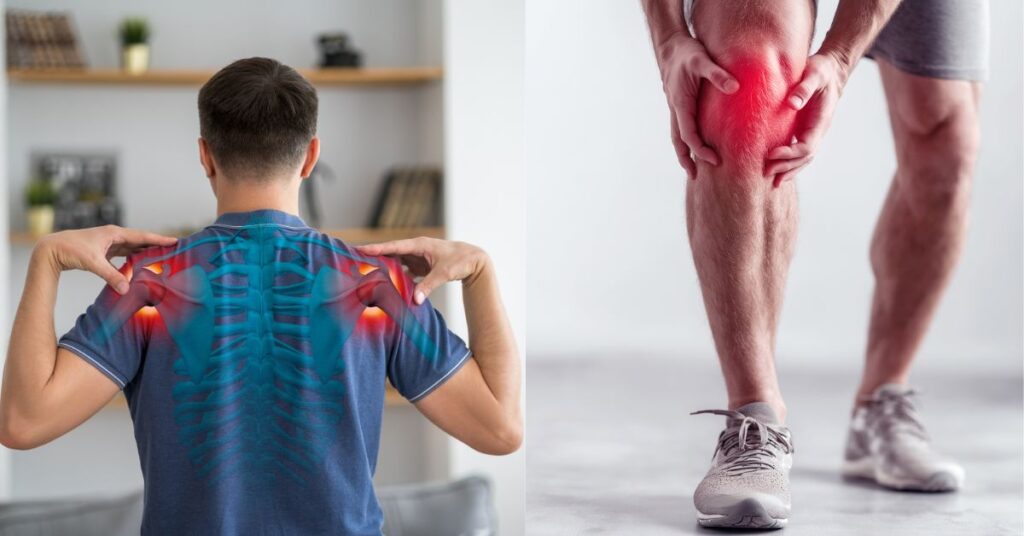
You reached for something on a high shelf, took a hit during a weekend game, or maybe just slept in a weird position – and now your shoulder is killing you. Before you assume the worst, it helps to understand what’s actually going on. Knowing the difference between a shoulder sprain vs strain can change how you treat it, how fast you recover, and whether you need professional help or just some rest and ice.
What’s the Actual Difference Between a Sprain and a Strain?
These two words get used interchangeably all the time, but they describe injuries to completely different structures.
A sprain affects the ligaments – the tough bands of tissue that connect bone to bone. In the shoulder, ligaments hold the joint together and help maintain stability. When they’re overstretched or torn, that’s a sprain. It usually happens from a fall, a collision, or sudden twisting force.
A strain, on the other hand, affects muscles or tendons – the tissue that connects muscle to bone. Strains often come from overuse, lifting too much weight, or a sudden movement that demands more than the muscle can handle. Rotator cuff strains are some of the most common shoulder strains seen in active adults and athletes.
Both can range from mild (Grade I) to severe (Grade III, which involves a complete tear). Mild versions often heal with conservative care, while Grade III injuries may need imaging and sometimes surgical evaluation.
If you’re managing any kind of shoulder issue, understanding the anatomy behind your pain can make it easier to follow your treatment plan and ask the right questions.
How Do the Symptoms Compare?
This is where it gets tricky, because a sprain and strain can feel remarkably similar at first.
Common symptoms of a shoulder sprain:
- Pain around the AC joint (top of the shoulder) or glenohumeral joint
- Swelling and bruising
- Reduced range of motion
- A feeling of shoulder instability or looseness
- Tenderness when pressing on the joint area
Common symptoms of a shoulder strain:
- Deep aching or burning sensation in the muscle
- Weakness when lifting the arm
- Stiffness that worsens after rest
- Pain with specific movements like reaching overhead or behind your back
- Muscle spasms in the upper shoulder or neck
The key distinguishing factor is often where the pain sits. Sprain pain tends to localize near the joint itself, while strain pain often spreads across the muscle belly. That said, professional diagnosis through physical assessment – and sometimes imaging like an MRI – is the only way to know for sure what you’re dealing with.
For Sugar Land residents who want to get a clearer picture of what’s happening, learning what to expect from a physical therapy evaluation can help you feel prepared before your first appointment.
Treatment Options That Actually Work
For both sprains and strains, the early treatment approach overlaps quite a bit.
In the first 48 to 72 hours, the priority is managing inflammation. Applying ice for 15 to 20 minutes several times a day, keeping the arm supported, and avoiding the movements that triggered the injury all help reduce swelling and prevent further damage. Over-the-counter anti-inflammatories can take the edge off, though they’re not a substitute for addressing the root cause.
Once the acute phase settles down, structured rehabilitation becomes the real driver of recovery. This is where physical therapy makes a significant difference. A skilled PT will assess your movement patterns, identify muscle imbalances, and guide you through a progressive program that restores strength and mobility without re-injuring the area.
At Polygon PT, patients in Sugar Land and the surrounding communities – including Missouri City, Stafford, and Richmond – work through individualized treatment plans that match the severity and nature of their injury, not a generic protocol. Shoulder-specific strengthening exercises are typically introduced gradually as pain decreases and range of motion improves.
For more severe injuries (Grade II or III), your provider may also recommend corticosteroid injections, bracing, or a surgical consult before physical therapy begins in earnest.
How Long Does Recovery Take?
Recovery time varies a lot depending on injury grade and how quickly you start treatment.
- Grade I (mild): 1 to 3 weeks with rest and conservative care
- Grade II (moderate): 3 to 6 weeks, often including PT
- Grade III (severe/complete tear): Several months, sometimes post-surgical
One thing that consistently slows recovery is returning to activity too soon. Many people feel better after a week, push back into their normal routine, and end up right back where they started. Gradual return-to-activity, guided by a physical therapist, protects the tissue while it’s still healing and reduces the risk of chronic instability or re-injury.
People in Pearland, Rosenberg, and the greater Sugar Land area dealing with shoulder issues shouldn’t wait and see for too long. The earlier you get assessed, the more options you have. Knowing when to see a PT for shoulder pain can help you avoid the cycle of healing and re-injuring on your own.
Shoulder problems have a way of lingering when they’re not addressed properly. Whether you’re dealing with a minor muscle pull or a more significant ligament injury, the right care at the right time makes all the difference. Working with a shoulder pain specialist in Sugar Land gives you a clear path forward instead of guessing your way through recovery.
Conclusion
A shoulder sprain and a strain might feel similar at the moment, but they heal differently and respond to different care. Getting the right diagnosis early is what separates a clean recovery from a lingering problem that keeps coming back.
If your shoulder has been bothering you for more than a few days – or if the pain came on suddenly after an injury – don’t wait it out. At Polygon PT, we work with patients across Sugar Land, Missouri City, and Stafford to build recovery plans that actually match what your body needs. Book your evaluation and get a clear answer on what’s happening and what to do next.
Frequently Asked Questions
1. Can I tell at home if I have a sprain or a strain?
It’s difficult to distinguish the two without a professional assessment. Location of pain can offer clues – joint-area pain often suggests a sprain, while muscular aching points to a strain – but imaging or physical evaluation is needed for an accurate diagnosis.
2. Should I use ice or heat for a shoulder sprain or strain?
Ice is generally recommended during the first 48 to 72 hours to control swelling and inflammation. After the acute phase passes, heat can help relax tight muscles and improve circulation to support tissue healing.
3. Can a shoulder sprain or strain heal on its own?
Mild Grade I injuries often resolve with rest and self-care within a few weeks. More significant injuries – especially Grade II or III – typically require structured physical therapy or medical intervention to heal fully and prevent recurring problems.
4. When is shoulder surgery necessary after a sprain or strain?
Surgery is generally considered only for Grade III injuries involving a complete ligament tear or full rotator cuff rupture. Most sprains and strains respond well to conservative treatment when started early and followed consistently.
5. Is it safe to exercise with a shoulder sprain or strain?
Light, pain-free movement is usually encouraged to prevent stiffness, but high-intensity or overhead exercises should be avoided early on. A physical therapist can recommend specific exercises appropriate for your injury grade and current stage of recovery.