

Physical Therapy in West Houston: Why Personalized Care Changes Everything
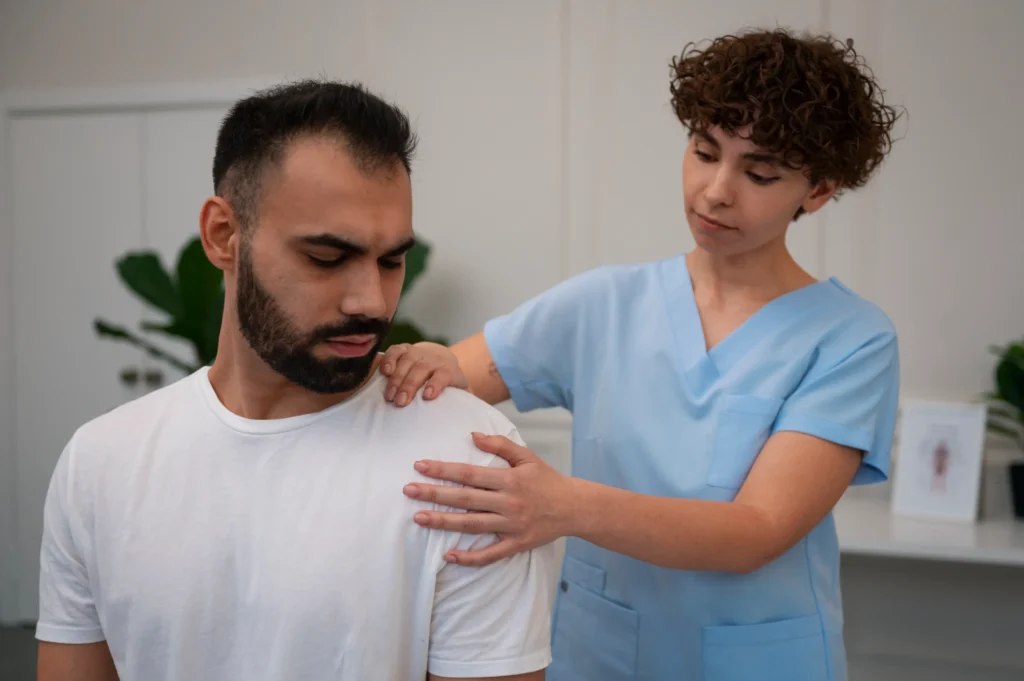
You’ve probably Googled “physical therapist near me in West Houston” at least once – maybe after a sports injury that wouldn’t quit, a surgery that left you stiffer than you expected, or just that nagging back pain that no amount of rest seems to fix. West Houstonis a big city, and your options are endless. But not all physical therapy is created equal.
At Polygon PT, the approach isn’t about running patients through the same cookie-cutter protocol. It’s about figuring out your situation – your injury history, your daily routine, your goals – and building a plan that actually moves the needle on your recovery.
Here’s what you actually need to know about physical therapy services in West Houston, and why the personalized approach makes all the difference.
What Makes Physical Therapy in West Houston Different – And Why It Matters
West Houston is one of the most physically active cities in Texas. From weekend warriors tearing it up at Memorial Park to office professionals in the Energy Corridor dealing with chronic desk posture issues, the variety of physical demands here is enormous. That’s why a one-size-fits-all treatment plan simply doesn’t work.
Personalized physical therapy means your therapist starts with a thorough evaluation – reviewing your medical history, testing your range of motion, asking about your day-to-day challenges – before prescribing a single exercise. This evaluation shapes everything that follows.
Research consistently backs this up: treatment plans customized to a patient’s injury severity, demographics, and physical limitations produce significantly better outcomes than generic protocols. And if you’ve ever walked into a clinic only to be handed a printout of exercises and left on your own, you already know the difference first-hand.
Core Physical Therapy Services at Polygon PT West Houston
Polygon PT offers a focused set of services built around what West Houston patients actually need:
Evaluation and Customized Treatment Plans
Every patient starts here. Your therapist takes the time to understand what’s going on – not just the injury, but the full picture. From that assessment, they build a treatment roadmap tailored specifically to you.
Manual Therapy
Hands-on techniques to mobilize joints, release soft tissue restrictions, and reduce pain directly. This isn’t passive – it’s targeted, skilled work that you’d feel a real difference from after even the first session.
Therapeutic Exercise
Guided exercise progressions designed to rebuild strength, restore flexibility, and retrain movement patterns. Not random gym exercises, but clinically chosen movements tied to your specific recovery goals.
Telehealth and Wearable Technology Monitoring
As of 2026, wearable tech and remote monitoring have become standard tools in quality physical therapy clinics. Polygon PT uses these to track your progress between visits and fine-tune your program in real time – which means your therapist knows how you’re actually doing, not just how you feel during a 45-minute appointment.
Post-Surgery Rehabilitation in West Houston: Getting the Recovery Right
Here’s something most people underestimate: the work after surgery matters just as much as the surgery itself. Probably more.
Post-surgical rehab at Polygon PT typically begins within days of your procedure. Early on, the focus is gentle – preventing stiffness, encouraging circulation, avoiding the setbacks that come from moving too little or too fast. Around weeks 4 to 6, depending on your procedure, the program shifts into more active strengthening and functional training.
Whether you’ve had a knee replacement, rotator cuff repair, spinal surgery, or something else entirely, the rehabilitation protocol is built around your surgical specifics and your body’s response – not a general timeline pulled from a textbook.
Patients who commit to structured post-surgical rehab consistently report faster return to daily activities, lower pain levels, and better long-term mobility. And from what past Polygon PT patients describe, the difference a genuinely attentive therapist makes – someone who adjusts your plan week by week – is hard to overstate.
Sports Injury Treatment in West Houston: Back to Your Game, Not Just “Fine”
Imagine you’re a runner who trains along the Brays Bayou trail system, and your IT band has been screaming at you for the last three weeks. Or you play recreational soccer in the Westchase area and you just rolled your ankle badly enough to hear it pop. You want to recover – but more importantly, you want to get back.
That’s the goal at Polygon PT. Sports injury treatment here isn’t just about making the pain go away. It’s about getting you back to the specific demands of your sport.
Common injuries treated include:
- Sprains and ligament strains
- Tendonitis (shoulder, knee, Achilles)
- Stress fractures and overuse injuries
- Post-ACL or rotator cuff repair rehabilitation
- Plantar fasciitis
Advanced rehabilitation techniques – functional movement training, sport-specific drills, progressive loading – are built into recovery plans for athletes. The goal is full return to performance, not just pain-free sitting on the couch.
Mobility Therapy for West Houston and Sugar Land Patients
Sugar Land sits about 20 miles southwest of West Houston proper, and it’s one of the fastest-growing communities in the Greater Houston area – with a population that skews toward families and older adults managing age-related mobility challenges.
If you’re in Sugar Land or the surrounding Fort Bend County area, mobility therapy at Polygon PT addresses:
Age-Related Muscle Loss and Balance Issues
After 50, sarcopenia (muscle loss) quietly chips away at strength and stability. It’s one of the leading contributors to fall risk among older adults. Mobility therapy programs at Polygon PT incorporate progressive resistance training, balance exercises, and flexibility routines specifically designed to counter these changes – and to help patients feel confident moving around their homes and neighborhoods again.
Chronic Pain and Functional Limitations
Arthritis, degenerative disc conditions, and old injuries that never fully healed – these are exactly the situations where a personalized, ongoing mobility program can transform daily quality of life.
Whether you’re near the First Colony area of Sugar Land or coming in from Missouri City, Katy, or Stafford, Polygon PT’s approach brings genuine local focus to patients across the Greater West Houston region.
The Role of Evidence-Based Practice and Patient Education at Polygon PT
One thing that separates a quality clinic from a mediocre one: does your therapist explain why you’re doing what you’re doing?
At Polygon PT, patient education is woven into every session. You’ll understand the reasoning behind your exercises, what to watch out for at home, and how your behavior between visits affects your recovery. This isn’t a lecture – it’s practical knowledge that helps you make better decisions day to day.
The treatment strategies themselves are grounded in current clinical research. And with Google’s March 2026 core update placing even greater emphasis on healthcare content that demonstrates real firsthand expertise, it’s worth saying plainly: the best physical therapy is the kind backed by evidence AND delivered by therapists who genuinely engage with their patients as individuals.
How to Schedule Your Physical Therapy Appointment at Polygon PT
Getting started is simpler than you might expect. You can book directly through polygon pt or call the clinic to set up your initial consultation.
At that first visit, expect a thorough evaluation – bring any relevant imaging (X-rays, MRIs), a list of current medications, and your insurance card. More importantly, come ready to talk honestly about what’s bothering you, what you’ve already tried, and what “better” looks like for you.
From there, your therapist builds the plan. You get a clear timeline, measurable goals, and a team that adjusts as your recovery progresses.
Frequently Asked Questions
Q: Do I need a doctor’s referral to see a physical therapist at Polygon PT?
Texas is a direct-access state, meaning you can typically start physical therapy without a referral. However, some insurance plans may require one for coverage. It’s worth a quick call to your insurer before your first visit. Polygon PT can also help you sort through the specifics.
Q: How often will I need to come in for sessions?
Most patients start with one to two sessions per week, with frequency adjusting as recovery progresses. Acute post-surgical patients may need more visits early on. Your therapist will set a realistic schedule based on your condition and goals during your initial evaluation.
Q: Can I keep exercising or playing sports while in physical therapy?
Often yes, with modifications. Your therapist will work with your existing routine rather than just shutting it down. The key is making sure your activity doesn’t aggravate your condition – and in many cases, staying active actually speeds recovery.
Q: What conditions does Polygon PT treat?
The clinic treats a wide range of conditions including post-surgical recovery, sports injuries, back and neck pain, shoulder and knee pain, arthritis, balance and mobility issues, and age-related muscle loss. If you’re unsure whether PT is right for your situation, the initial consultation is the place to find out.
Q: How soon after surgery should I start physical therapy?
For most surgeries, rehabilitation begins within the first week – often within 24–72 hours for certain procedures. Early movement is typically beneficial for preventing stiffness and supporting circulation. Your surgeon and physical therapist will coordinate the timing based on your specific procedure.
Q: Does Polygon PT offer telehealth or remote monitoring?
Yes. Polygon PT integrates wearable technology and telehealth tools to monitor patient progress between in-clinic sessions. This allows therapists to make timely adjustments to your plan and gives patients flexibility, especially those balancing work or family schedules across Greater Houston.