

Physical Therapy for Sciatica: Does It Really Work?

Sharp, radiating pain that shoots from the lower back down through the leg can make everyday tasks like sitting, driving, or standing feel unbearable. For many people in katy TX dealing with sciatica, physical therapy is often suggested as a next step, but a common and fair question follows: does it actually work? This guide from the team at Polygon PT explains what sciatica is, what causes it, and how physical therapy addresses the problem at its source rather than simply masking symptoms.
Does Physical Therapy for Sciatica Really Work?
Physical therapy is considered one of the most reliable non-surgical options for managing sciatica, particularly when nerve compression stems from a disc bulge, muscle tightness, or postural strain. Rather than only addressing pain, physical therapists work to identify and correct the underlying mechanical cause, whether that involves improving spinal mobility, releasing a tight piriformis muscle, or strengthening the core and hips to reduce pressure on the lumbar spine. Many patients experience measurable improvement in pain and function within several weeks, though outcomes depend on the severity and root cause of the nerve irritation.
Symptoms of Sciatica
Common symptoms include pain radiating from the lower back into the buttock and down one leg, a burning or electric sensation along the nerve path, numbness or tingling in the leg or foot, muscle weakness in the affected leg, and pain that worsens with prolonged sitting, coughing, or sneezing.
Causes of Sciatica
Sciatica most often results from a herniated or bulging disc pressing on a lumbar nerve root. Other causes include spinal stenosis, which narrows the space around the spinal cord and nerves, piriformis syndrome, where a tight muscle in the buttock irritates the nerve, degenerative disc disease, and, less commonly, spondylolisthesis, where one vertebra shifts over another. Distinguishing between these causes matters because treatment approaches differ; a program built for disc-related sciatica may not be appropriate for a piriformis-driven case, which is one reason a proper evaluation from a physical therapist is an important first step rather than relying on generic advice.
Risk Factors
Factors that may increase the likelihood of developing sciatica include prolonged sitting or sedentary work, age-related disc degeneration, obesity, physically demanding jobs involving heavy lifting or twisting, poor core strength, and previous episodes of low back pain. A healthcare professional can evaluate individual risk factors as part of a full assessment.
Treatment Options
Treatment for sciatica typically starts conservatively, often including physical therapy, activity modification, and anti-inflammatory strategies recommended by a physician. In more severe or persistent cases involving significant weakness or unrelenting pain, additional options such as epidural steroid injections or, rarely, surgery may be discussed with a physician. Physical therapy is frequently recommended as a starting point before more invasive interventions are considered.
Physical Therapy Recommendations
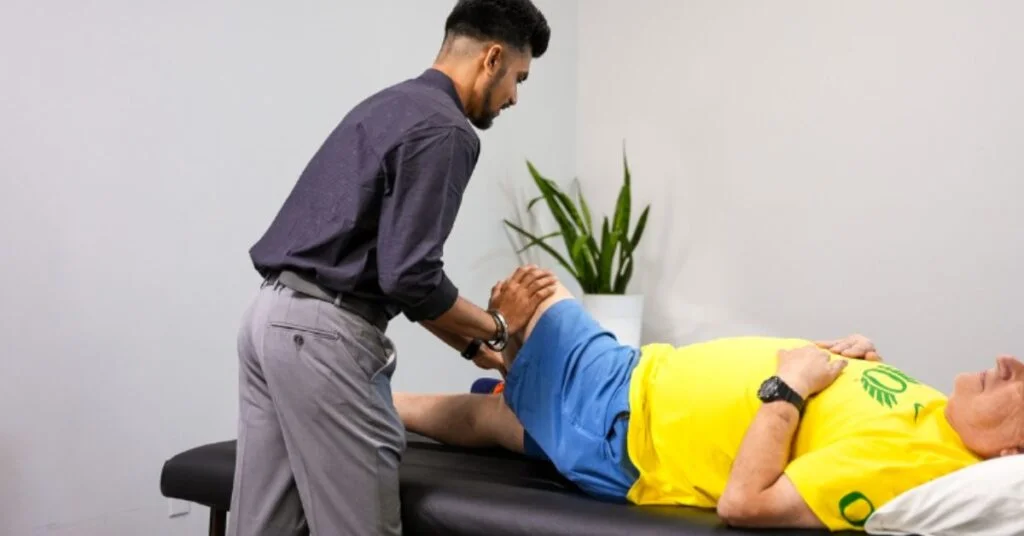
A physical therapist typically begins with a thorough evaluation to identify the specific movement patterns and structures contributing to nerve irritation. Treatment may include nerve gliding or “flossing” exercises, core and hip stabilization work, manual therapy to improve spinal mobility, and directional preference exercises such as those used in the McKenzie approach for certain disc-related presentations. Programs are individualized, since a piriformis-driven case of sciatica is treated differently than one caused by a herniated disc.
How Long Does Physical Therapy for Sciatica Take?
Recovery timelines vary widely based on the cause and severity of symptoms. Some patients notice meaningful relief within two to four weeks, while others with more significant nerve involvement may require a longer course of care. A physical therapist can provide a more specific timeline after an initial evaluation.
Physical Therapy Exercises Commonly Used for Sciatica
While every program is individualized, several categories of exercise appear frequently in sciatica treatment plans. Nerve gliding exercises, sometimes called nerve flossing, gently move the sciatic nerve through its surrounding tissue to reduce irritation without overstretching it. Core stabilization exercises, such as bird-dogs and modified planks, help support the lumbar spine and reduce the mechanical load placed on the affected nerve root. Hip mobility work, including piriformis stretches and gluteal strengthening, can address muscular contributions to nerve compression.
For disc-related sciatica, a physical therapist may introduce directional preference exercises, such as gentle prone extensions, chosen based on how symptoms respond during the initial evaluation. Because the wrong exercise for the wrong cause can sometimes aggravate symptoms, these routines are generally most effective when guided by a physical therapist rather than followed from a generic online list.
Prevention Tips
Patients may reduce the risk of recurring sciatica by maintaining core and hip strength, practicing proper lifting mechanics, avoiding prolonged sitting without movement breaks, maintaining a healthy body weight, and addressing minor back discomfort early rather than waiting for it to worsen.
Common Mistakes to Avoid
A frequent mistake is prolonged bed rest, which can actually slow recovery by weakening supporting muscles. Others attempt generic online exercise routines without knowing the underlying cause of their sciatica, which can sometimes aggravate symptoms. Ignoring worsening numbness, weakness, or bladder and bowel changes is also a serious mistake, since these signs warrant prompt medical attention.
Practical Advice
Individuals experiencing sciatic pain are encouraged to stay as active as tolerated rather than fully immobile, apply ice or heat as needed for comfort, avoid prolonged sitting, and seek an evaluation from a physical therapist early rather than waiting for symptoms to become chronic. Early intervention is often associated with faster, more complete recovery.
Tracking symptom patterns can also be useful heading into a first physical therapy appointment. Noting which positions ease or worsen pain, such as sitting versus standing, or bending forward versus arching backward, gives a physical therapist valuable information for tailoring an evaluation. Bringing a list of any prior imaging, injections, or treatments already tried can also help streamline the initial assessment.
Sciatica in katy TX: Why Local Care Matters
East Texas residents often lead active, hands-on lifestyles, whether that involves physically demanding work, gardening, or recreational sports, all of which can place recurring strain on the lower back. Working with a physical therapist familiar with these regional activity patterns allows treatment plans to be tailored not just to the diagnosis, but to the specific demands of daily life in the katy TX area. Local, in-person care also allows for hands-on manual therapy techniques and real-time progress monitoring that cannot be replicated through generic online exercise programs.
Conclusion
Sciatica can be disruptive, but the evidence and clinical experience behind physical therapy make it a well-supported first step for many patients before considering more invasive treatments. By addressing the underlying cause rather than just the symptoms, physical therapy often helps restore mobility and reduce pain over time. Patients in katy TX experiencing sciatic nerve pain are encouraged to schedule an evaluation with the team at Polygon PT to build a personalized recovery plan.
Frequently Asked Questions
Does physical therapy really help sciatica?
Yes, for many patients. Physical therapy addresses the underlying cause of nerve irritation, and most people notice improved pain and mobility within several weeks of consistent treatment.
How long does physical therapy for sciatica usually take?
It varies by cause and severity. Some patients improve in two to four weeks, while others need longer. A physical therapist can estimate timelines after evaluation.
Can sciatica go away without physical therapy?
Mild cases sometimes improve with rest and time, but physical therapy often speeds recovery and helps prevent recurrence by addressing the root mechanical cause.
When should someone see a physical therapist for sciatica?
Anyone with persistent leg pain, numbness, or weakness lasting more than a few days should consider an evaluation, especially if symptoms interfere with daily activities.
Is physical therapy better than surgery for sciatica?
Physical therapy is typically tried first for most cases. Surgery is generally reserved for severe or persistent symptoms after conservative treatment has been explored with a physician.