

Muscle Spasms After a Workout: Why They Happen and How to Stop Them
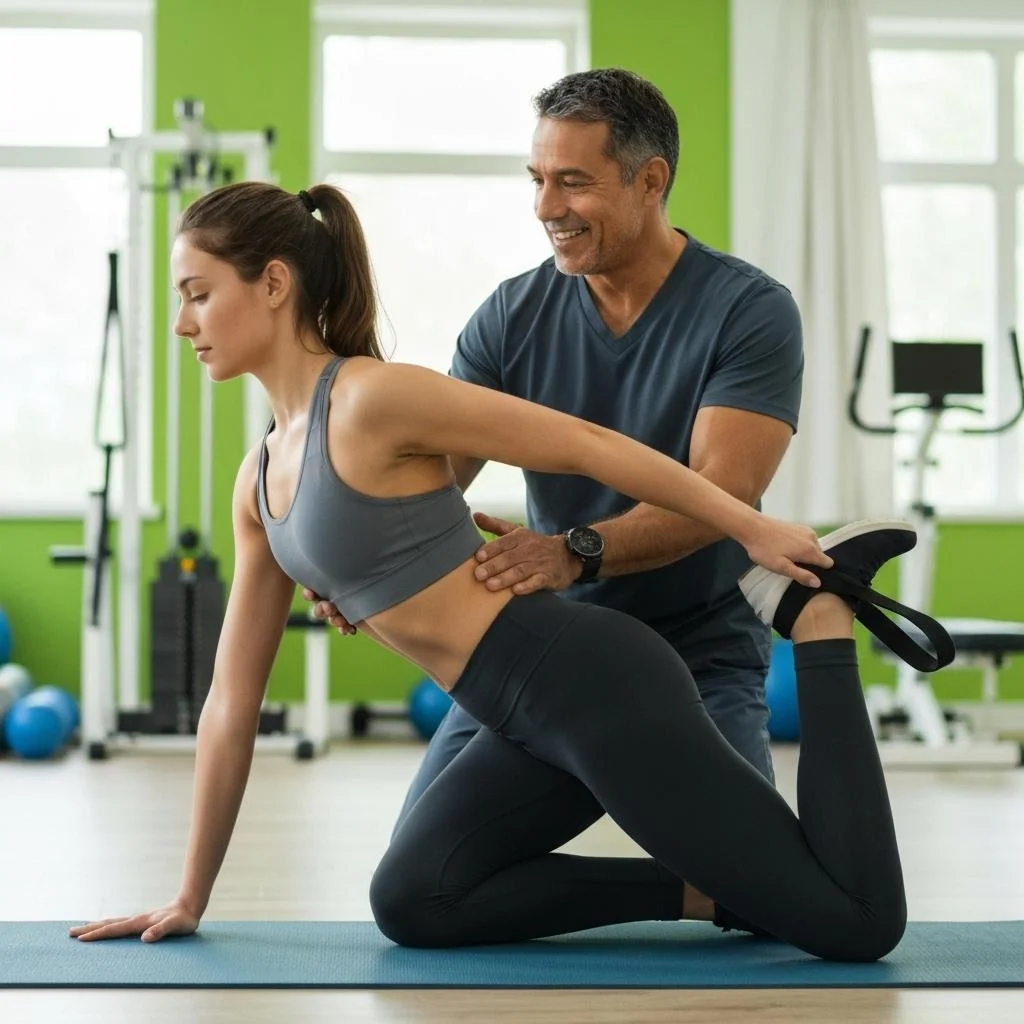
Muscle spasms after a workout are sudden, involuntary muscle contractions usually caused by muscle fatigue, dehydration, electrolyte loss, or doing more than a muscle is conditioned for. Most are harmless. To stop one fast: gently stretch and hold the muscle, massage it, apply heat, rehydrate with electrolytes, and move lightly. See a physical therapist if cramps are frequent, severe, always in the same spot, or come with swelling, weakness, or numbness.
Muscle spasms after exercise are common and usually not dangerous. They happen because your muscles get tired, dehydrated, or overloaded. Understanding why they occur and how to stop muscle spasms quickly can help you get back to your workouts feeling better.
Why your muscles spasm after exercise
Muscle spasms happen when muscles contract without you wanting them to. Several factors often overlap to cause these spasms after a workout: performance physical therapy and why you need it now
- Muscle fatigue and overload: This is the most common cause. When a muscle works harder than it’s used to, it tires out and may cramp. Calves, hamstrings, and feet often cramp because they do a lot of work and can get tight easily.
- Dehydration and electrolyte loss: Your muscles need minerals like sodium, potassium, and magnesium to contract properly. Sweating during a workout – especially in hot and humid places like Houston – can cause you to lose these important electrolytes, making spasms more likely.
- Poor warm-up or sudden intensity jumps: Skipping a warm-up or suddenly increasing your workout intensity can also cause your muscles to spasm.
- Tight, under-recovered muscles: If your muscles haven’t fully recovered from previous workouts, they may be more prone to spasms.
For example, imagine a recreational lifter who adds 40 pounds to their deadlift in one week. That night, they feel their lower back or hamstring “lock up.” Usually, this spasm is from muscle fatigue and overload – the muscle wasn’t ready for that much weight. It’s not likely an injury. The solution is to progress gradually and recover well, not to stop training.
How to stop a muscle spasm fast
- Stop and gently stretch the muscle. Hold the stretch for 20–30 seconds. For a calf cramp, straighten your knee and pull your toes toward your shin.
- Massage the area. Gently rub the muscle to help it relax.
- Apply heat. Use a warm towel or heating pad to relax the muscle. Switch to ice only later if the muscle feels sore.
- Rehydrate with electrolytes. Drink fluids that include sodium, potassium, and magnesium-not just plain water.
- Walk it off. Light movement helps increase blood flow and ease the spasm.
How to prevent post-workout cramps
- Progress your training gradually to avoid sudden overloads.
- Warm up properly with 5–10 minutes of light cardio plus dynamic movements before intense exercise.
- Stay hydrated before, during, and after workouts, especially in heat.
- Cool down and stretch after your workout to help muscles recover.
- Build strength and endurance in muscles that cramp often through targeted exercises.
Structured performance physical therapy, like the programs at Polygon Physical Therapy, can help active people train harder without breaking down by improving muscle capacity and movement patterns.
When a post-workout spasm isn’t just a cramp
Most workout-related muscle spasms are harmless, but some signs mean you should get checked out by a professional. Watch for these red flags:
- The same muscle cramps repeatedly or won’t relax.
- Swelling, bruising, sharp pain, or weakness after a spasm, which may signal a strain or tear.
- Numbness, tingling, or pain that radiates down a limb, indicating possible nerve issues.
- Cramps happening at rest or at night without any clear training cause.
If you notice these warning signs, consider booking a one-on-one evaluation at our Sugar Land physical therapy clinic – we have locations across the Houston area – to get a personalized plan that keeps you moving safely.
When this isn’t worth a visit
If you have a one-time cramp after a tough or hot workout that improves with stretching and hydration and leaves no lasting pain, you likely don’t need professional treatment. Just focus on good hydration, rest, and more gradual progression in your training.
The bottom line
Occasional muscle spasms after your workout are normal and easier to manage with stretching, massage, electrolytes, and progressive training. But if cramps are frequent, severe, or happen in the same spot, it’s smart to get evaluated. A customized plan from a physical therapist can help you stay active and pain-free.
Ready to stop the cycle? Book an evaluation with our team to find out how we can help you keep your muscles healthy and avoid recurring spasms.
Frequently asked questions
Why do I cramp hours after my workout, not during it?
Cramps can happen hours later because muscles may become fatigued or tight after exercise as they recover. Sometimes delayed onset muscle cramping occurs when muscles are stressed beyond their usual capacity and start to tighten up during rest.
Are post-workout muscle spasms dangerous?
Most post-workout muscle spasms are harmless and caused by tired or overloaded muscles. However, if spasms are frequent, severe, or come with other symptoms like numbness, it’s a good idea to get checked out.
Will drinking more water stop my cramps?
Drinking water is important, but electrolytes like sodium, potassium, and magnesium play a bigger role in preventing cramps. Just water without electrolytes may not be enough.
Is it a cramp or a muscle strain?
Cramps are sudden, involuntary muscle contractions that usually relax with stretching and movement. Strains involve muscle tears causing pain, swelling, and weakness that last longer. A physical therapist can help tell the difference.
Should I keep working out if a muscle keeps cramping?
If a muscle keeps cramping, it’s best to reduce intensity and allow proper recovery. Continuing to push through cramps could increase the risk of injury.
Can physical therapy actually prevent muscle cramps?
Yes, physical therapy can help by improving muscle strength, flexibility, and movement patterns, which reduces the chance of muscle overload and cramping.
Leave a Reply