

Knee Pain Relief 8 Physical Therapy Exercises That Actually Work
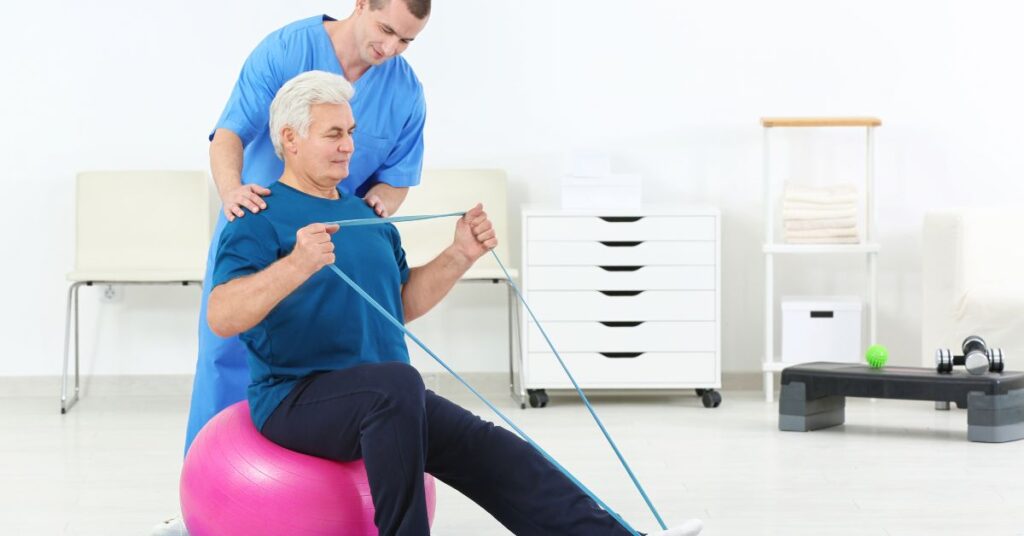
Knee pain stops people mid-stride, literally. Whether it shows up after a run, during a squat at the gym, or simply getting out of a chair in the morning, it has a way of making every movement feel like a negotiation. The good news is that for most people, surgery and long-term medication are not the first answer. Physical therapy exercises designed specifically for knee pain relief have strong clinical backing, and when done consistently and correctly, they address the muscle imbalances, joint instability, and movement patterns that drive knee pain in the first place. Understanding which exercises work and why is the starting point for anyone ready to move without pain again.
Why Exercise Is Central to Knee Pain Relief
Before jumping into the exercises themselves, it helps to understand what is actually happening in a painful knee. Most knee pain, whether from osteoarthritis, patellofemoral syndrome, IT band syndrome, or therapy for knee ligament injuries, involves some combination of weakness, tightness, and poor neuromuscular control. The knee is a hinge joint that depends heavily on the muscles above and below it to stay stable. When those muscles are not doing their job, the joint absorbs forces it was never designed to handle alone.
That is exactly why knee pain physical therapy focuses so much on strengthening the quadriceps, hamstrings, glutes, and hip abductors. These muscle groups collectively act as shock absorbers and stabilizers for the knee. Research on knee pain management consistently shows that targeted strengthening reduces pain intensity, improves function, and lowers recurrence rates better than rest alone.
Patients who work with a physical therapist for knee pain get an individualized exercise prescription rather than a generic list. A trained clinician identifies which muscles are underactive, which movement patterns are contributing to load on the joint, and which exercises match the patient’s current capacity. That precision is what separates effective knee rehab from exercises that feel productive but do not actually change anything.
8 Physical Therapy Exercises for Knee Pain Relief
These eight exercises represent some of the most evidence-supported movements used in knee pain physical therapy. They range from beginner-friendly to more demanding, and progression through them should be guided by a qualified therapist.
1. Quad Sets
Quad sets are a foundational starting point for knee rehabilitation. The patient lies flat, places a small rolled towel under the knee, and contracts the quadriceps to press the back of the knee toward the floor. Holding for five to ten seconds and repeating for multiple sets reactivates the VMO, the inner quad muscle that is often the first to shut down after a knee injury or surgery.
2. Straight Leg Raises
With one knee bent and the foot flat on the floor, the patient raises the straight leg to the height of the opposite knee. This builds quad strength without placing compressive load on the joint, making it ideal for early-stage knee pain physical therapy or post-surgical rehab.
3. Side-Lying Hip Abduction
Weakness in the hip abductors is one of the most common contributors to knee pain, particularly for conditions like patellofemoral pain and IT band syndrome. Lying on one side and lifting the top leg with the toe pointed slightly downward activates the gluteus medius, which controls the way the femur tracks over the knee during movement.
4. Clamshells
Clamshells target the same hip abductor group in a slightly different plane. With both knees bent and stacked, the patient rotates the top knee open like a clamshell hinge. Adding a resistance band above the knees increases the challenge as strength improves. This is a staple in therapy for knee ligament injuries because it rebuilds the hip control that protects the joint from valgus collapse.
5. Mini Squats
Once basic quad and hip strength are established, mini squats introduce functional loading. The patient squats to roughly thirty degrees, keeping the knees tracking over the second toe and the weight distributed evenly through the heel and midfoot. This range avoids high compressive forces at the patellofemoral joint while building the movement pattern needed for daily activities.
6. Step-Ups
Step-ups onto a low platform train single-leg strength and balance simultaneously. The emphasis should be on a slow, controlled descent, which loads the eccentric quad contraction that is critical for knee stability on stairs and uneven terrain. Knee pain physical therapy programs often use step height as a progression marker over the course of treatment.
7. Terminal Knee Extension with Band
A resistance band is looped around a fixed point and behind the patient’s knee. The patient slightly bends the knee and then drives it straight against the band’s resistance. This isolates the final degrees of quad contraction that are hardest to activate and are directly relevant to activities like walking and running. It is particularly effective for knee osteoarthritis pain relief and post-surgical quad retraining.
8. Single-Leg Balance Progression
Balance and proprioception training is often overlooked but plays a major role in knee pain management. Standing on one leg for thirty to sixty seconds, then progressing to unstable surfaces or adding small movements, retrains the joint’s ability to respond to unexpected forces. For patients recovering from therapy for knee ligament injuries, this category of exercise is non-negotiable before returning to sport or high-demand activity.
How to Progress These Exercises Safely
Doing these exercises incorrectly or advancing too quickly is one of the fastest ways to delay recovery. Pain during an exercise is a signal to stop and reassess, not push through. The general rule in knee pain physical therapy is that mild muscle fatigue is expected, but sharp, pinching, or swelling-producing pain is not.
At Polygon PT, therapists use functional benchmarks rather than time alone to determine when patients are ready to progress. How well a patient controls a single-leg squat, whether their knee tracks cleanly during a step-up, and how symmetric their strength is side-to-side all factor into the decision. That kind of clinical oversight makes a meaningful difference in outcomes and helps patients avoid the setbacks that come from advancing too fast.
Closing Line
Knee pain does not improve by avoiding movement. It improves through the right movement, applied consistently and progressively. These eight exercises form the backbone of what evidence-based knee pain relief looks like in a clinical setting. For patients in the Houston area dealing with anything from arthritis to therapy for knee ligament injuries, starting with a proper assessment at Polygon PT means getting a plan that actually fits the problem.
Frequently Asked Questions
Q1: How long does it take for physical therapy exercises to relieve knee pain?
Most patients notice meaningful improvement in knee pain within four to eight weeks of consistent physical therapy. Chronic conditions may take longer, but functional gains in strength and mobility often appear before pain levels drop significantly during treatment.
Q2: Can these exercises help with knee pain from ligament injuries?
Yes. Therapy for knee ligament injuries specifically incorporates hip strengthening, balance training, and progressive quad loading to restore joint stability. The exercises used depend on the severity of the injury and whether surgery was involved in the recovery process.
Q3: Should patients exercise through knee pain or rest completely?
Complete rest is rarely recommended for most knee conditions. Gentle, targeted movement maintains circulation, prevents muscle loss, and supports tissue healing. A physical therapist for knee pain will identify which activities are safe and which should be temporarily avoided based on individual assessment findings.
Q4: What is the most important muscle group to strengthen for knee pain relief?
The quadriceps and hip abductors are the two most critical groups for knee pain relief. Quad weakness directly affects patellofemoral tracking and joint load, while hip abductor weakness causes the inward collapse of the femur that stresses the knee during walking, running, and squatting.
Q5: Is knee pain physical therapy effective for osteoarthritis?
Yes. Research consistently supports physical therapy as a first-line treatment for knee osteoarthritis. Strengthening exercises reduce joint load, improve cartilage nutrition through movement, and decrease pain levels comparably to anti-inflammatory medication in many clinical studies without the associated side effects.