
How a Sports Rehabilitation Center Helps You Return to Play
How a Sports Rehabilitation Center Helps You Return to Play
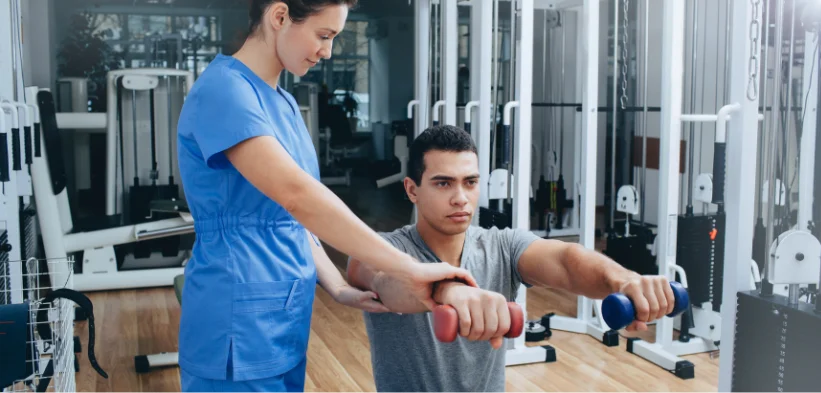
When injuries sideline athletes, the biggest goal is clear: get back to the game stronger, faster, and without the risk of reinjury. That’s where a Sports Rehabilitation Center comes in. Unlike general physical therapy, sports rehabilitation is specifically designed for athletes, focusing on restoring peak performance and building resilience against future injuries.
At Polygon Physical Therapy, we understand the unique demands athletes face. Whether you’re a weekend warrior or a professional competitor, our specialized sports rehabilitation programs are designed to help you recover efficiently and return to play with confidence.
Understanding Sports Rehabilitation
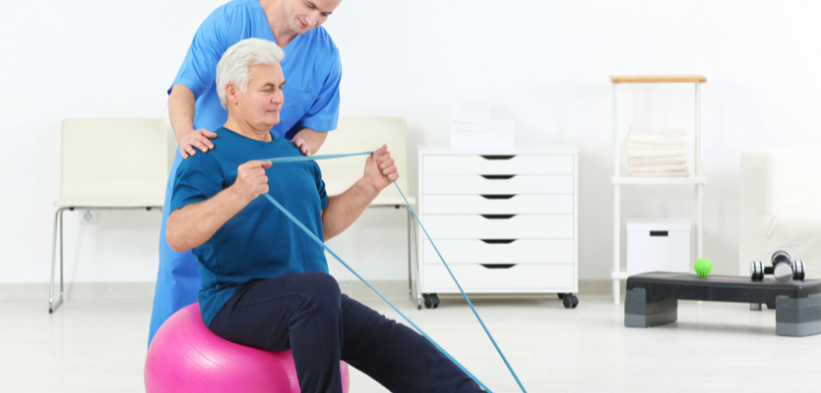
Sports rehabilitation is a specialized branch of physical therapy that focuses on treating sports-related injuries and optimizing athletic performance. While traditional physical therapy addresses pain relief and general mobility, sports rehabilitation goes a step further by incorporating sport-specific movements, drills, and exercises that prepare athletes for the physical demands of their sport.
The primary goals are:
- Restoring function: Regaining strength, flexibility, and range of motion.
- Preventing re-injury: Identifying and correcting biomechanical weaknesses.
- Enhancing performance: Fine-tuning athletic skills to improve overall game readiness.
At Polygon Physical Therapy, we combine evidence-based techniques with advanced rehab tools to deliver results that truly matter to athletes.
Common Sports Injuries Treated
Athletes are prone to a variety of injuries, ranging from acute trauma to repetitive strain issues. A Sports Rehabilitation Center like Polygon Physical Therapy commonly treats:
- Sprains and strains: Often affecting ankles, knees, or wrists.
- Ligament tears: Including ACL, MCL, and other knee injuries.
- Fractures: Especially stress fractures caused by repetitive impact.
- Overuse injuries: Such as tendonitis, shin splints, and bursitis.
- Rotator cuff injuries: Common among baseball players, swimmers, and tennis players.
Our sports rehabilitation specialists assess the severity of the injury and design targeted treatment plans to accelerate recovery.
Role of a Sports Rehabilitation Center
A Sports Rehabilitation Center plays a vital role in an athlete’s journey from injury to performance readiness. At Polygon Physical Therapy, we follow a comprehensive process:
- Detailed Injury Assessment – Understanding the root cause and extent of the injury through physical exams and movement analysis.
- Personalized Recovery Plan – Tailoring exercises and treatments to the athlete’s sport, injury type, and recovery goals.
- Hands-On Manual Therapy – Using joint mobilization, soft tissue massage, and stretching techniques to relieve pain and improve mobility.
- Therapeutic Exercises – Targeted movements to restore muscle strength, coordination, and balance.
- Advanced Rehab Technology – Incorporating equipment like resistance bands, stability trainers, and sport-specific simulators.
This approach ensures athletes heal fully not just physically, but functionally so they can return to competition safely.
Benefits of Sports Rehabilitation
Choosing a dedicated Sports Rehabilitation Center offers benefits that go beyond basic recovery. At Polygon Physical Therapy, we ensure that every athlete experiences:
- Faster Recovery Time: Advanced rehab techniques help reduce downtime.
- Improved Strength and Flexibility: Building muscle resilience to support joints and prevent re-injury.
- Enhanced Endurance: Preparing the body for the physical demands of competitive sports.
- Injury Prevention Education: Teaching athletes how to maintain proper form, warm-up routines, and recovery strategies.
- Boosted Confidence: Athletes return to play knowing they’ve regained peak fitness and stability.
Return-to-Play Programs
One of the most critical aspects of sports rehabilitation is the structured return-to-play program. Jumping back into competition too soon can cause setbacks, but waiting too long can impact performance.
At Polygon Physical Therapy, our return-to-play process includes:
- Gradual Progression: Starting with low-intensity exercises and progressing to high-intensity, sport-specific drills.
- Performance Testing: Evaluating strength, agility, and flexibility to ensure readiness.
- Sport Simulation: Recreating real-game scenarios to assess functional fitness.
- Final Clearance: Only after meeting all recovery benchmarks is an athlete cleared to compete again.
Importance of a Skilled Sports Rehabilitation Team
Recovering from an injury requires the guidance of highly trained professionals. At Polygon Physical Therapy, our team includes:
- Licensed Physical Therapists: Experts in anatomy, injury recovery, and functional training.
- Certified Athletic Trainers: Specializing in sport-specific conditioning and injury prevention.
- Rehabilitation Specialists: Focused on personalized care for athletes of all ages and skill levels.
Their combined expertise ensures that every athlete receives the highest standard of care, whether recovering from a minor sprain or major surgery.
Choosing the Right Sports Rehabilitation Center
Selecting the right Sports Rehabilitation Center can make all the difference in how quickly and how well you return to your sport. When choosing a facility, look for:
- Advanced Equipment: Tools and technology designed for athletic recovery.
- Experienced Staff: Therapists who understand sports injuries inside and out.
- Personalized Programs: Recovery plans tailored to your specific needs and sport.
- Proven Results: A track record of helping athletes return to top performance.
Polygon Physical Therapy offers all of this and more. Our combination of hands-on care, advanced rehab technology, and athlete-focused programs makes us a trusted choice for sports rehabilitation.
Conclusion
A Sports Rehabilitation Center is more than just a place to heal it’s a bridge between injury and peak performance. With the right guidance, recovery isn’t just about getting back to the game; it’s about returning stronger, more confident, and better prepared than before.
At Polygon Physical Therapy, we are committed to helping athletes at every level regain their competitive edge through personalized sports rehabilitation programs. If you’re sidelined by an injury, don’t wait start your recovery journey with us and get back in the game.
What is sports rehabilitation?Sports rehabilitation is a specialized branch of physical therapy that focuses on treating sports-related injuries and optimizing athletic performance. Unlike general physical therapy, it incorporates sport-specific movements, drills, and exercises to prepare athletes for the physical demands of their sport.
How does a sports rehabilitation center help athletes return to play?A sports rehabilitation center assists athletes in returning to play by:
- Detailed Injury Assessment: Understanding the root cause and extent of the injury through physical exams and movement analysis.
- Personalized Recovery Plan: Tailoring exercises and treatments to the athlete’s sport, injury type, and recovery goals.
- Hands-On Manual Therapy: Using joint mobilization, soft tissue massage, and stretching techniques to relieve pain and improve mobility.
- Therapeutic Exercises: Targeted movements to restore muscle strength, coordination, and balance.
- Advanced Rehab Technology: Incorporating equipment like resistance bands, stability trainers, and sport-specific simulators.
The benefits of sports rehabilitation include:
- Faster Recovery Time: Advanced rehab techniques help reduce downtime.
- Improved Strength and Flexibility: Building muscle resilience to support joints and prevent re-injury.
- Enhanced Endurance: Preparing the body for the physical demands of competitive sports.
- Injury Prevention: Identifying and correcting biomechanical weaknesses to prevent future injuries.
Sports rehabilitation centers commonly treat:
- Sprains and Strains: Often affecting ankles, knees, or wrists.
- Ligament Tears: Including ACL, MCL, and other knee injuries.
- Fractures: Especially stress fractures caused by repetitive impact.
- Overuse Injuries: Such as tendonitis, shin splints, and bursitis.
- Rotator Cuff Injuries: Common among baseball players, swimmers, and tennis players.
To begin, schedule a consultation with a sports rehabilitation center. They will assess your injury, discuss your goals, and develop a personalized treatment plan to help you return to play safely and effectively.