Focused Shockwave Therapy
for Stubborn Heel and Tendon Pain

Book a Shockwave Screening
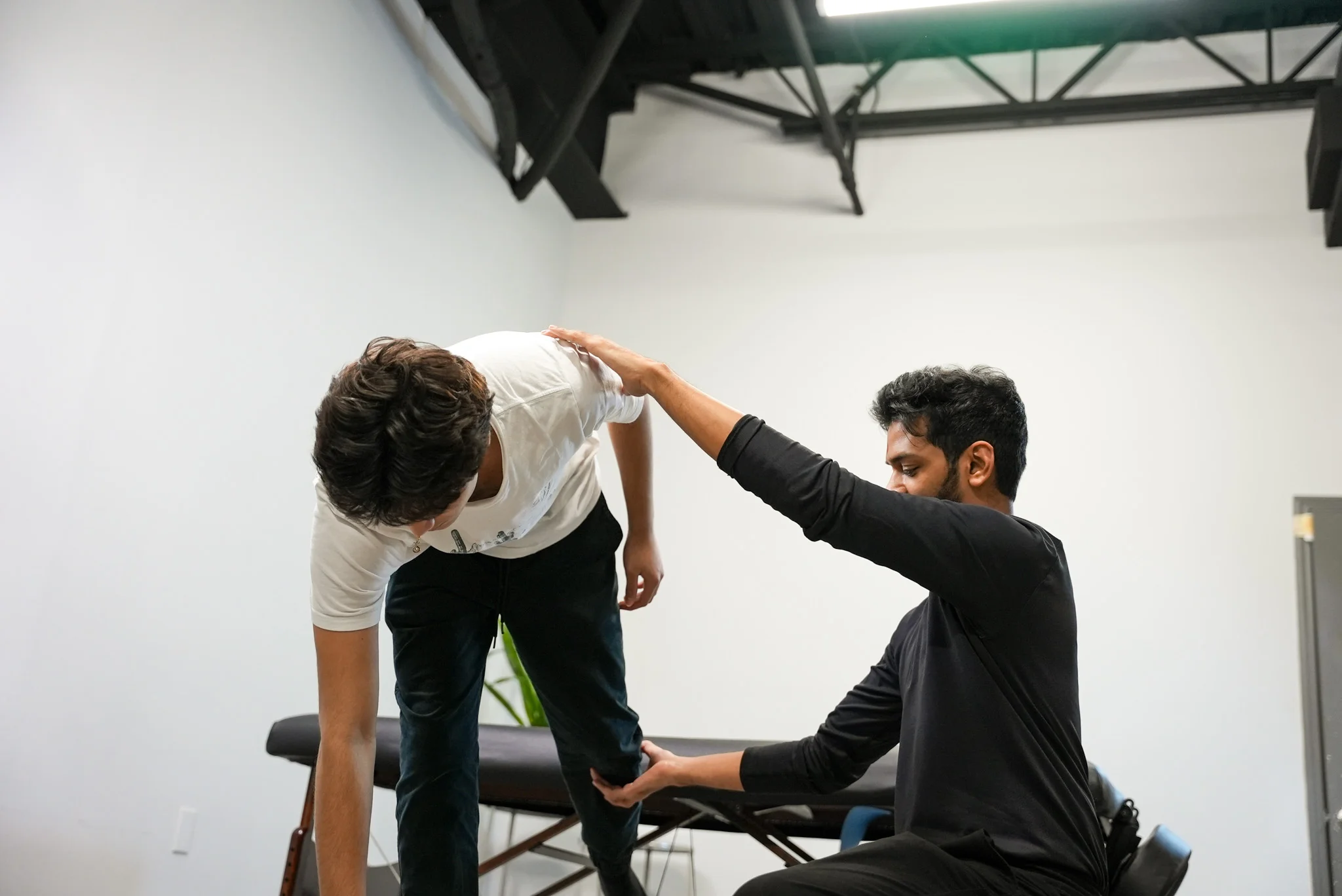
Focused shockwave therapy session at Polygon PT

Focused Shockwave Therapy

When rest, stretching, inserts and injections haven't worked, focused shockwave therapy can restart your body's healing process. No needles, no surgery, no downtime.

Available at all Polygon PT locations across Greater Houston.

What Is Focused Shockwave Therapy?

Focused shockwave therapy (also called focused ESWT) sends short, high-energy sound waves to a precise point inside an injured tendon or tissue. The handpiece concentrates the energy into a small target zone, so your therapist can treat pain deep beneath the skin, such as at the heel bone, without affecting the area around it.

The same technology, at much higher power, has been used in hospitals for decades to break up kidney stones. Doctors noticed that tissue around those treatment areas healed faster, which led to the lower-energy versions used in physical therapy today. The energy levels we use are designed to stimulate healing, not damage tissue.

At Polygon PT, shockwave is part of your physical therapy plan, not a replacement for it. We pair it with targeted exercise and loading so the tissue heals stronger.

  • No Needles or Injections
  • No Surgery, No Downtime
  • About 10 Minutes Per Treatment
  • Paired With Targeted Exercise

Precise, Deep Targeting

Focused shockwave converges on one exact point up to about 12 cm deep, reaching tendons, the heel and pain points close to bone.

Restart Stalled Healing

In chronic cases the body stops repairing the injured area. Shockwave delivers a controlled stimulus that jump-starts that healing response again.

How Focused Shockwave Works:

Overuse injuries leave tendons with tiny tears, scar tissue and sometimes calcium buildup. In chronic cases, the body stops trying to repair the area, so the pain lingers for months or years. Research suggests shockwave helps in several ways:

  • Improves blood flow by encouraging new small blood vessels to form
  • Stimulates tendon repair by activating the cells that rebuild tendon tissue
  • Reduces pain by calming overactive pain signals from the nerves
  • Treats pain without needles, injections or surgery
  • No downtime, so you can go about your normal day
  • Works alongside exercise so tissue heals stronger

Think of it as hitting "restart" on a healing process that stalled.
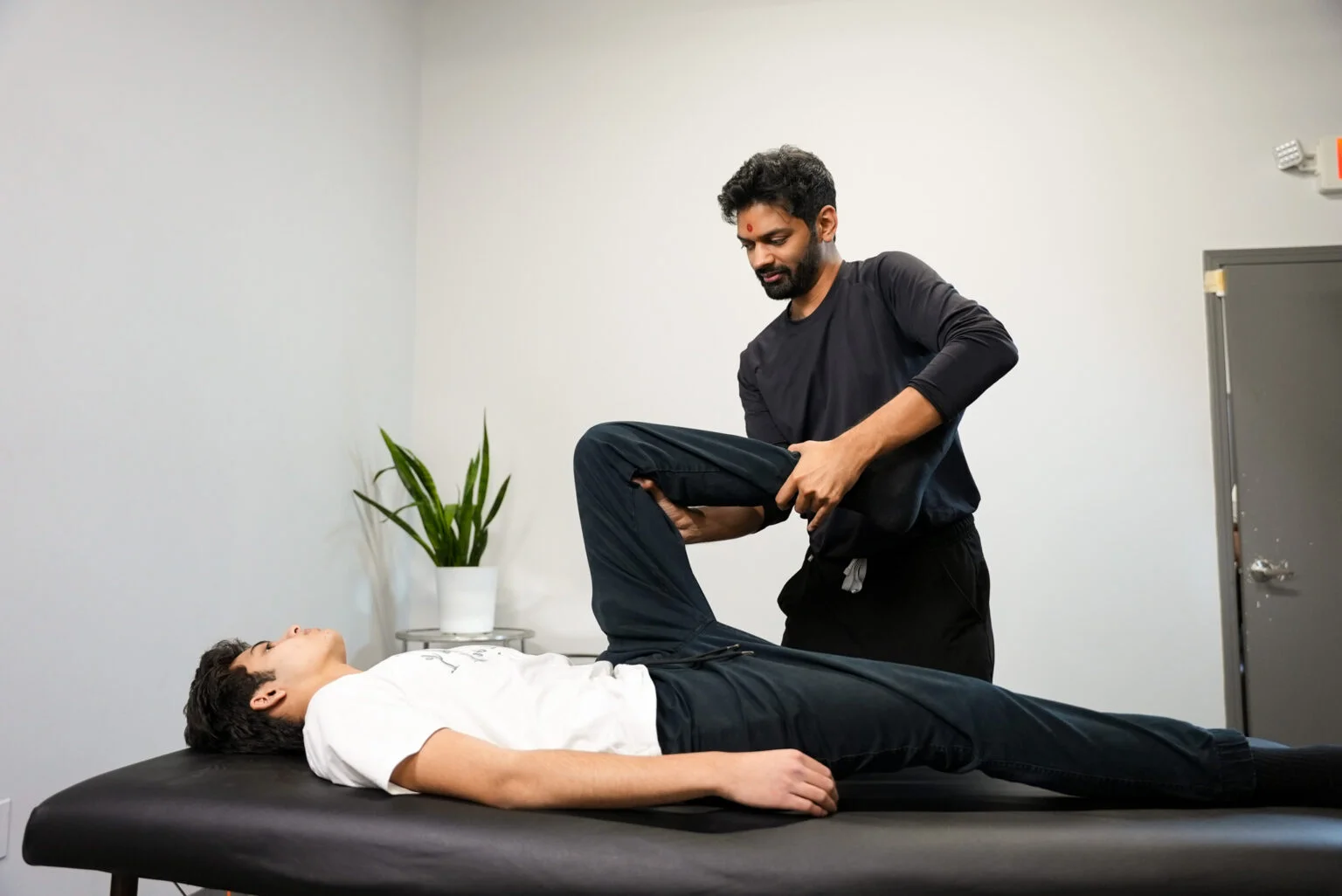
Shockwave therapy for heel and foot pain

Conditions We Treat With Focused Shockwave:

Focused shockwave works best on long-standing (chronic) tendon and soft-tissue pain where healing has stalled. Our main focus is chronic plantar fasciitis, the condition with the strongest research behind it.

  • Plantar fasciitis and chronic heel pain, especially when stretching, inserts, night splints or injections haven't helped
  • Achilles tendinopathy
  • Other chronic tendon pain near bone, such as tennis or pickleball elbow, shoulder tendon pain and outer hip pain
  • Deep, stubborn trigger points that don't respond to hands-on treatment

Not sure if your pain fits? A quick screening with one of our physical therapists will tell you whether you're a good candidate.
What to Expect:

  • During your session: your therapist pinpoints the most painful spots, applies gel and holds the handpiece over each one. The shockwave itself takes about 10 minutes, and the intensity is adjusted to what you can tolerate.
  • How many sessions: most patients need 3–6 sessions spaced 5–10 days apart. Many notice some relief after the first session and more by the third.
  • When you'll see results: improvement can show within 2 weeks and continue for up to 3 months after your final session.
  • After treatment: avoid strenuous activity for 48 hours. Your therapist will then build exercise and loading back into your plan.
  • Possible side effects: usually minor and short-lived, such as skin redness, mild bruising or soreness at the treatment site.

Is Focused Shockwave Right for You?

You may be a good candidate if your pain has lasted more than a few months, other treatments haven't fixed it, and you'd like to avoid injections or surgery.

Shockwave isn't safe for everyone. Let us know if any of these apply to you:

  • Pregnancy
  • A bleeding disorder, or taking strong blood thinners
  • Cancer, or a history of cancer in the treatment area
  • Blood clots (thrombosis)
  • Nerve damage or numbness in the area to be treated
  • A cortisone (steroid) injection in the area within the last 6 weeks

Your physical therapist will review your history during your screening and recommend the safest option for you.

Shockwave

Focused vs. Radial Shockwave: Why It Matters

Many clinics advertise "shockwave," but most use radial pressure wave devices. Radial waves spread out from the skin and lose strength quickly, which suits large, shallow areas. Focused shockwave is a true shockwave that converges on a precise point at depth, which suits tendons, the heel and pain points close to bone.

Focused Shockwave (what we use) Radial Pressure Wave
How the energy travels Concentrated on one precise point Spreads outward from the skin
Treatment depth Up to about 12 cm (roughly 5 in) Mostly superficial, up to about 5 cm
Peak pressure 100–1,000 bar 1–10 bar
Best for Deep tendons, heel pain, pain points near bone Larger, surface-level muscle areas

Figures from the device manufacturer's clinical guidelines.

FAQ

Shockwave Therapy Questions, Answered

Thinking about focused shockwave therapy? Here are clear answers about how it feels, how long it takes, and what recovery looks like.

You'll feel some discomfort, especially over the sorest spots, because the treatment works by stressing the injured tissue. Your therapist starts at a lower intensity and adjusts to your comfort. No numbing is needed.

The shockwave portion takes about 10 minutes. It's usually combined with other parts of your physical therapy session.

Many people feel some relief after the first session. Lasting improvement builds over 2 weeks to 3 months after your final session as the tissue heals.

Avoid strenuous activity for 48 hours. After that, your therapist will guide you back into exercise.

In most cases, you do not need a referral. You can schedule directly, and our team will guide you if any additional documentation is required.

Many clinics use radial pressure wave devices, which treat surface-level tissue. We use focused shockwave, which reaches deeper and targets a precise point. That's the type used in the major heel pain studies.

Contact Us

Ready to Get Past Stubborn Heel or Tendon Pain?

Book a quick shockwave screening with one of our physical therapists. We'll review your history, check whether you're a good candidate, and build a plan that pairs focused shockwave with the right exercise for lasting results.

Book a Shockwave Screening

Our response time is within 30 minutes during business hours

    Email Us Today
    desk@polygonhq.com
    Book Now