

Dry Needling Benefits: What This Treatment Can Actually Do for You
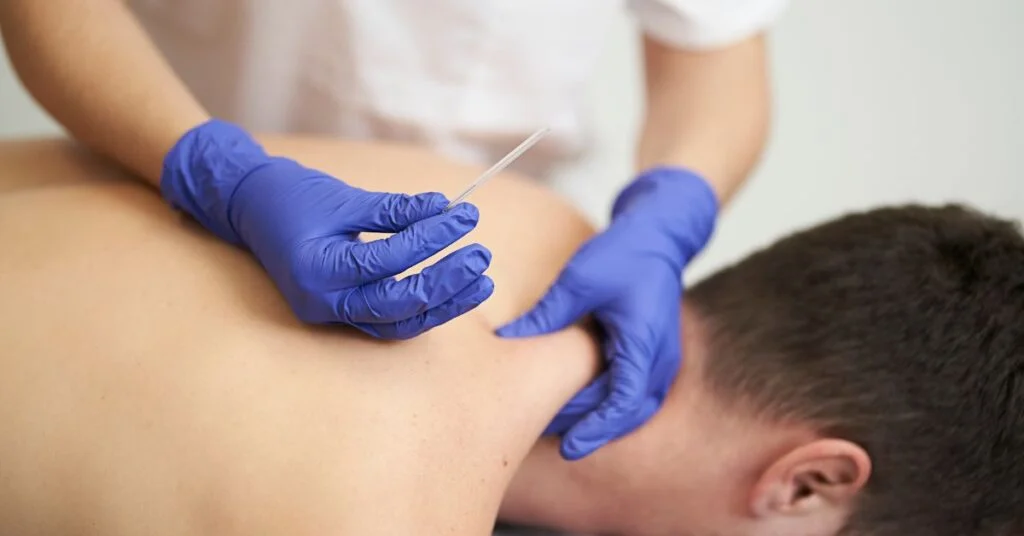
Anyone who has dealt with a stubborn muscle knot knows the frustration of stretching, foam rolling, and heat packs that only offer temporary relief. Dry needling has become one of the more talked-about tools in physical therapy precisely because it targets that kind of deep, persistent muscle tightness in a way other methods often can’t. The dry needling benefits patients experience – from reduced trigger point pain to faster muscle recovery and improved range of motion – are part of why it has gained so much traction in clinical settings. At Polygon PT, dry needling is used as part of a broader treatment plan to help patients move better, hurt less, and recover faster.
It’s a technique that sounds intimidating before someone tries it, mostly because of the word “needling.” In practice, it’s a quick, targeted, and well-studied method that has earned a place in modern rehabilitation for good reason.
What Is Dry Needling?
Dry needling involves inserting a thin, sterile filament needle directly into a tight band of muscle, often called a trigger point. Unlike injections, there’s no medication involved, which is where the name “dry” comes from. The needle itself creates a small, controlled response in the muscle, often a brief twitch, that helps release tension and improve blood flow to the area.
The goal isn’t to treat the skin or the surface of the body. It’s to reach the muscle tissue itself, which is why dry needling can address pain that’s been resistant to massage, stretching, or over-the-counter pain relief. At Polygon PT, dry needling is typically paired with movement-based therapy so the muscle doesn’t just release tension temporarily, but actually relearns healthier movement patterns.
Key Benefits of Dry Needling
For patients dealing with chronic tightness or nagging pain, the benefits of dry needling tend to show up quickly and in noticeable ways:
- Faster pain relief for stubborn trigger points that haven’t responded to other treatments.
- Improved range of motion, especially in areas that feel chronically tight or restricted, like the neck, shoulders, and hips.
- Reduced muscle tension, which can ease pressure on nearby joints and nerves.
- Better circulation to the treated area, supporting the body’s natural healing process.
- Complementary results when paired with strengthening and mobility work, since loosening tight tissue often makes other exercises more effective.
Many patients notice a difference in mobility within the first one or two sessions, though results vary depending on how long the muscle tightness has been present and what’s driving it.
Conditions Dry Needling Helps
Dry needling isn’t a stand-alone cure for every type of pain, but it’s a useful piece of the puzzle for several common conditions seen at Polygon PT, including:
- Shoulder pain and tightness, particularly for patients dealing with restricted mobility or rotator cuff-related issues.
- Chronic back pain, especially tightness in the lower back and hips that contributes to ongoing discomfort. It’s often used alongside broader back pain treatment plans.
- Tension headaches, which are frequently linked to tight muscles in the neck and upper back.
- Sports-related muscle tightness, common among runners, cyclists, and weekend athletes who overuse certain muscle groups.
- Post-injury stiffness, where scar tissue or guarding has left muscles chronically tense.
Because dry needling addresses the muscle directly, it’s often recommended for patients who’ve tried stretching or massage without lasting improvement.
Dry Needling vs Massage and Stretching
It’s a fair question: if massage and stretching already loosen tight muscles, why add needling to the mix? The honest answer is that each method works a little differently, and they aren’t interchangeable.
Massage and stretching primarily work on the surface layers of muscle and connective tissue, improving blood flow and flexibility over time. Dry needling, on the other hand, targets the trigger point itself at a deeper level, often producing a release that manual pressure alone can’t reach. For chronic or deeply embedded muscle knots, that difference can be significant.
Most patients at Polygon PT see the best outcomes when dry needling is combined with, not used instead of, other therapy methods like stretching, strengthening, and manual therapy. It’s one tool among several, applied where it makes the most sense for the individual.
Is Dry Needling Right for You?
Dry needling tends to work well for people dealing with persistent muscle tightness, trigger points, or pain that hasn’t improved with rest or basic stretching. It’s commonly recommended for athletes, desk workers with chronic neck and shoulder tension, and patients recovering from injuries where muscle guarding has become part of the problem.
That said, it’s not the right fit for everyone. A licensed physical therapist at Polygon PT will evaluate each patient’s history, current symptoms, and goals before recommending dry needling as part of a treatment plan. Some patients respond quickly, while others need a series of sessions combined with other therapy to see lasting change. The best way to know if it’s a good option is a proper evaluation rather than guessing based on symptoms alone.
Final Thoughts
Dry needling isn’t a gimmick or a quick fix marketed on convenience. It’s a specific, well-researched technique that gives physical therapists another way to reach muscle tightness that other treatments sometimes can’t touch. For patients who feel like they’ve tried everything and still deal with the same nagging tightness or pain, dry needling at Polygon PT may be the missing piece in a treatment plan. As with any therapy, results depend on an accurate diagnosis and a plan built around the individual, not a one-size-fits-all approach.
Frequently Asked Questions
Does dry needling hurt?
Most patients feel a brief muscle twitch or mild discomfort during treatment, followed by a dull ache similar to post-workout soreness. Sensations vary by person and treatment area, but discomfort is generally short-lived and manageable.
How many sessions do I need?
This depends on the severity and duration of the muscle tightness. Some patients notice improvement after one session, while chronic or long-standing issues often benefit from a short series spaced over several weeks.
Is dry needling safe?
When performed by a licensed, trained physical therapist using sterile, single-use needles, dry needling is considered safe for most patients. A proper evaluation helps identify any conditions that may require modifying the approach.
How is it different from acupuncture?
Dry needling targets specific muscle trigger points based on Western anatomy and movement science, while acupuncture is rooted in traditional Chinese medicine and energy pathways. The techniques share a tool but differ in theory and application.
Who should avoid dry needling?
Patients who are pregnant, have needle phobias, active infections, or certain bleeding disorders may need to avoid or modify dry needling. A therapist will review medical history during evaluation to confirm it’s an appropriate option.